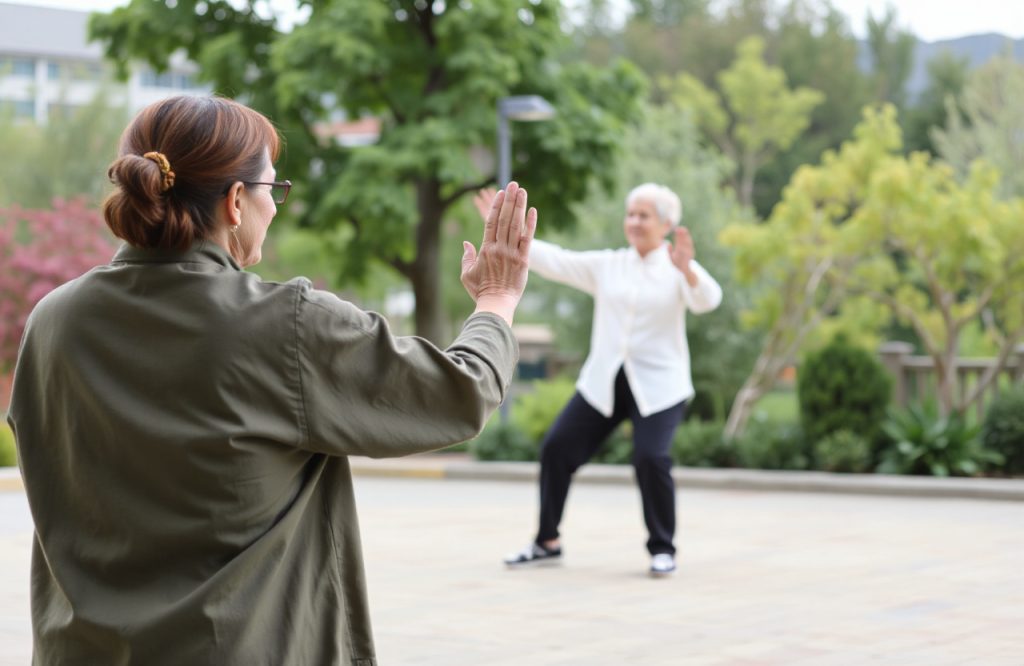
Tai Chi: A Path to Enhanced Health for Seniors
Overview of Tai Chi
Tai chi, an ancient martial art originating from China, offers a variety of health benefits, particularly for the elderly. This holistic form of exercise engages both the mind and body. While it encompasses various sub-categories, key elements include controlled breathing, channeling internal energy, meditation, and mindfulness.
Health Benefits of Tai Chi for Seniors
The multifaceted nature of tai chi contributes to numerous health advantages for older adults. Research has consistently shown that practicing tai chi leads to significant medical improvements in seniors.
1. Fall Prevention
Falls are a major concern for seniors, resulting in severe injuries due to the body’s fragility with age. In the United States, healthcare costs related to accidental falls among the elderly exceeded $1 billion over a three-year span. Research published in the Journal of the American Geriatric Society indicates that seniors who regularly practice tai chi are less likely to fall. A comprehensive analysis of ten studies involving 1,500 individuals aged 56 to 98 revealed that those participating in tai chi sessions of one hour, up to three times a week, experienced a 43% reduction in fall risk. While the findings primarily indicate short-term benefits, they underscore tai chi’s potential in enhancing the safety of older adults.
2. Cognitive Function Improvement
Aging often leads to cognitive decline, manifesting as dementia and other mental health challenges. A study published in BMC Geriatrics examined tai chi’s effects on cognitive abilities among seniors. Involving 160 participants from community centers in Hong Kong, the study found that those who participated in 16 weeks of tai chi classes showed enhanced cognitive function compared to a control group. Although further research is necessary, these results highlight tai chi’s promise in supporting cognitive health in the elderly.
3. Chronic Pain Reduction
Chronic musculoskeletal pain is common among older adults, often resulting from weakened muscles and bones. Traditional exercise recommendations can be challenging for seniors due to physical limitations, making tai chi an ideal alternative. A study published in Aging Clinical and Experimental Research investigated tai chi’s effectiveness in alleviating chronic pain among participants aged 65 and older. After a 12-week program consisting of two one-hour sessions per week, those who engaged in tai chi reported less chronic pain and reduced fear of falling, suggesting that tai chi could be a beneficial option for managing pain in older adults.
4. Fibromyalgia Management
Fibromyalgia is a complex condition characterized by widespread pain and other debilitating symptoms. While aerobic exercise is typically recommended for treatment, it can be difficult for older adults to participate. A study in the British Journal of Medicine assessed tai chi’s impact on fibromyalgia symptoms in 226 patients. Compared to an aerobics group, participants in tai chi classes reported greater improvements in their symptoms, demonstrating that tai chi may serve as a more suitable and effective alternative for managing fibromyalgia.
5. Enhanced Brain and Muscle Function
Aging affects all aspects of health, leading to increased healthcare costs for families. To improve quality of life, proactive measures are essential. Tai chi’s comprehensive approach offers a beneficial exercise option for seniors. Research published in the Journal of Neuroimaging utilized magnetic resonance spectroscopy to evaluate tai chi’s effects on brain and muscle function in participants aged 55 and older. After a 12-week program, results indicated potential improvements in neuron protection and muscle oxidative capacity, suggesting that tai chi can positively influence both brain and muscle health.
Conclusion
The growing body of research supports the integration of tai chi into the health routines of older adults, highlighting its potential to enhance physical and cognitive well-being while reducing the risk of chronic conditions. As a low-impact and mindful form of exercise, tai chi represents a valuable tool in promoting healthier aging.
References
Alvarado, S. (2018). Does tai chi improve brain and muscle function in the elderly?. Retrieved from https://www.medicalnewsbulletin.com/tai-chi-improve-brain-muscle-elderly/
Booker, M. (2018). Can Tai Chi Improve Memory and Thinking Skills in Older Adults?. Retrieved from https://www.medicalnewsbulletin.com/tai-chi-improve-memory-thinking/
Chan, C. (2018). Can the Ancient Martial Art of Tai Chi Help Prevent Falls?. Retrieved from https://www.medicalnewsbulletin.com/tai-chi-help-prevent-falls/
Hughes, B. (2018). Can Tai Chi Help Older Adults with Chronic Pain?. Retrieved from https://www.medicalnewsbulletin.com/tai-chi-help-older-adults-chronic-pain/
Mcshane, J. (2018). How effective is tai chi in treating fibromyalgia?. Retrieved from https://www.medicalnewsbulletin.com/how-effective-tai-chi-treating-fibromyalgia/
Lam, P. (n.d.). What is Tai Chi? Retrieved August 24, 2018, from https://taichiforhealthinstitute.org/what-is-tai-chi/