Introduction
Heroin, often referred to by names such as Horse, Brown, or the classic H, remains an unacceptable substance despite its mainstream recognition in pop culture. The influence of media is not solely to blame, as the education system frequently overlooks the dangers associated with these drugs, leading to increased allure among teenagers. It is crucial to understand what heroin looks like and its effects on the human body and mind. This knowledge is essential for identifying potential addiction in others. If you know someone struggling with heroin addiction, seeking professional help is imperative. Gallus Detox emphasizes that with appropriate medical detoxification, even individuals with severe addiction can find hope for recovery. Remember, you are not alone, and success stories can provide the motivation needed for both patients and their loved ones.
Prevention is always preferable to treatment. If you find yourself at a crossroads between drug use and maintaining a healthy life, it is essential to consider the following factors that may influence your decision:
- Availability of the substance
- Glamorization of drug use
- Peer pressure
- Stress and potential thoughts of addiction
What Is Heroin?
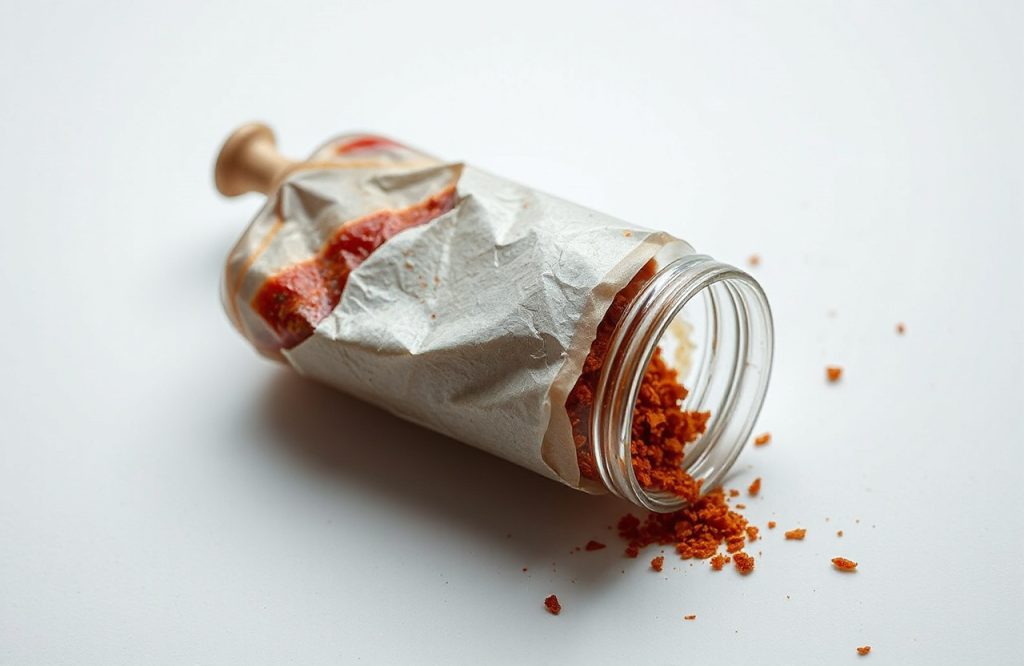
Heroin is a brownish powder derived from the opium poppy plant. As a natural painkiller, it can induce feelings of euphoria when consumed in high doses. Heroin can be injected, usually in a synthetic form mixed with fentanyl, or inhaled in powder form.
Facts You Should Know About Heroin
The effects of heroin addiction can be severe and potentially life-threatening. For instance, over 15,000 deaths occur annually due to heroin overdoses. Here are key facts about heroin addiction:
1. Genetic Factors
Genetics can play a significant role in heroin use. Individuals with a family history of addiction may have a higher susceptibility to developing similar habits. Although genetics do not compel drug use, they can increase the likelihood of addiction following initial use.
2. Mental Health Issues
Untreated mental health conditions, such as long-term depression and PTSD (Post-Traumatic Stress Disorder), can contribute to heroin addiction. Proper treatment for mental health issues is essential to reduce the risk of developing severe addictions.
3. Depression and Addiction Cycle
Depression is a major contributing factor to heroin addiction. Many former users describe the drug’s euphoric effects as a temporary escape from mental pain. However, this relief is short-lived, often leading to heightened depression and increased drug use.
4. Increased Hostility
Heroin addiction can lead to heightened hostility. Individuals may become physically aggressive towards those attempting to intervene or explain the dangers of drug use. Regular Dialectical Behavior Therapy can help address such symptoms and is available in many rehabilitation centers.
5. Hallucinations
Vivid hallucinations are more common in heroin addiction than many realize. These often occur during the drowsy state following euphoria and can be particularly severe for those with PTSD, causing them to relive traumatic experiences.
6. Paranoia and Panic Attacks
Hallucinations can lead to paranoia, resulting in frequent panic attacks that may strain the nervous system and lead to respiratory issues. Some individuals may experience seizures due to severe panic attacks.
7. Physical Deterioration
Heroin addiction can cause noticeable facial deformities and premature aging. Regular use often leads to a flushed appearance, dry skin, rotting teeth, and thinning hair, making individuals appear significantly older than their actual age.
Say No to Drugs!
While the consequences of heroin addiction may seem dire, recovery is possible with the right treatment and support. This article serves as a warning for those considering heroin use. The pain of withdrawal, although manageable, can be immense. If you feel pressured by peers to try heroin, it is crucial to distance yourself from such influences.
Note: The information provided in this article is for educational purposes and does not constitute medical advice. Always consult a healthcare professional for medical guidance.