Smoking, air pollution, exposure to toxins, and a family history of lung cancer are all known to increase the likelihood of developing this disease. However, recognizing these risk factors and taking steps to mitigate them can lower individuals’ chances of being diagnosed with lung cancer. It’s important to note, though, that risk factors simply raise the probability of disease development, and they do not guarantee who will or will not be affected.
Among these risk factors, some, like family history, are unmodifiable and cannot be controlled. Nevertheless, by addressing and eliminating modifiable risk factors, people can reduce their risk of lung cancer. However, having risk factors doesn’t automatically lead to lung cancer, and conversely, those without apparent risk factors can still develop the disease.
Data from the Centers for Disease Control and Prevention (CDC) reveals that tobacco smoke is the primary catalyst for lung cancer, accounting for 80–90% of all cases. The risk of developing lung cancer increases by 15–30 times in smokers compared to non-smokers, and the danger grows with the duration and frequency of smoking. Additionally, even non-smokers exposed to secondhand smoke are at an increased risk, with passive smoking being the third most common risk factor, resulting in an estimated 3,000 annual lung cancer deaths.
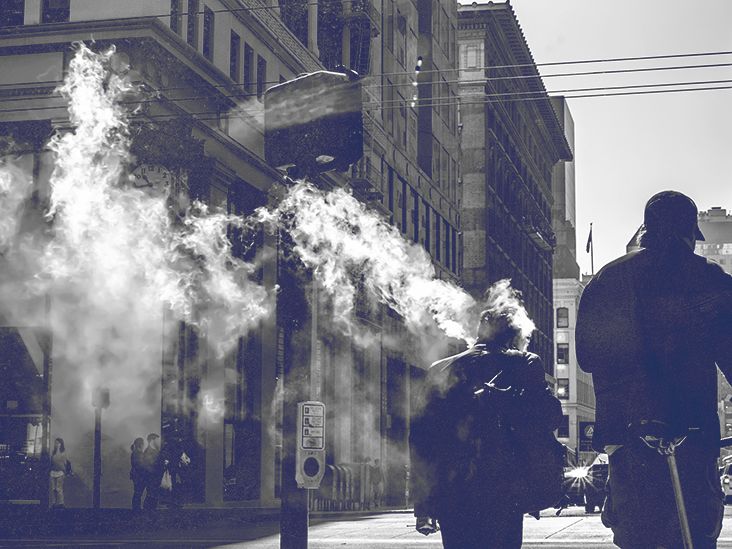
Air pollution, prevalent in urban and densely populated areas, is another significant risk factor. An older study published in Thorax theorized that air pollution could be responsible for 712,000 annual deaths globally, including 62,000 from lung cancer. However, more research is needed to corroborate these estimates.
Occupational and environmental hazards like radon and asbestos also significantly contribute to lung cancer cases. Radon, a naturally occurring gas, can become concentrated indoors and leads to approximately 21,000 lung cancer deaths per year, especially among non-smokers. Asbestos, a carcinogenic mineral formerly used in construction and manufacturing, increases the risk of lung cancer and malignant mesothelioma, particularly in smokers.
Additionally, exposure to certain carcinogens, such as arsenic, cadmium, beryllium, and others, can pose a risk, especially for individuals regularly interacting with these dangerous substances at work. Moreover, close relatives of lung cancer patients have a 50% increased risk of developing the disease, regardless of other risk factors. A history of lung cancer also heightens the likelihood of recurrence.
While it’s impossible to completely eliminate the risk of lung cancer, particularly when it comes to unmodifiable factors like family history or previous radiation exposure, significant risk factors can certainly be managed. Quitting smoking, for instance, can cut the risk of developing cancer by half within a decade. Avoidance of secondhand smoke, testing homes for carcinogens like radon and arsenic, following safety guidelines when working with carcinogens, and improving indoor air quality can all contribute to reducing lung cancer risk. Annual screenings for high-risk groups can also facilitate early detection and enhance treatment efficacy.
Lung cancer arises when abnormal cells proliferate uncontrollably, forming malignant tumors and damaging surrounding tissues. Non-small cell lung cancer (NSCLC) is the most common type, accounting for 80–85% of all cases. Small cell lung cancer (SCLC), although less common, is more aggressive and often spreads to other parts of the body before diagnosis.
Individuals should consult a doctor if they notice persistent or worsening cough, coughing up blood or rust-colored phlegm, hoarseness, chest pain, shortness of breath, frequent chest infections, or unexplained weight loss and fatigue. Treatment options vary based on the type and severity of the cancer and may include surgery, chemotherapy, radiation therapy, targeted therapy, and immunotherapy.
In conclusion, key risk factors for lung cancer include smoking, secondhand smoke exposure, air pollution, radon, and exposure to other carcinogens, as well as personal or family history of lung cancer. Preventative measures such as quitting smoking, addressing environmental hazards, and maintaining carcinogen-free spaces can significantly reduce the risk of developing this disease.