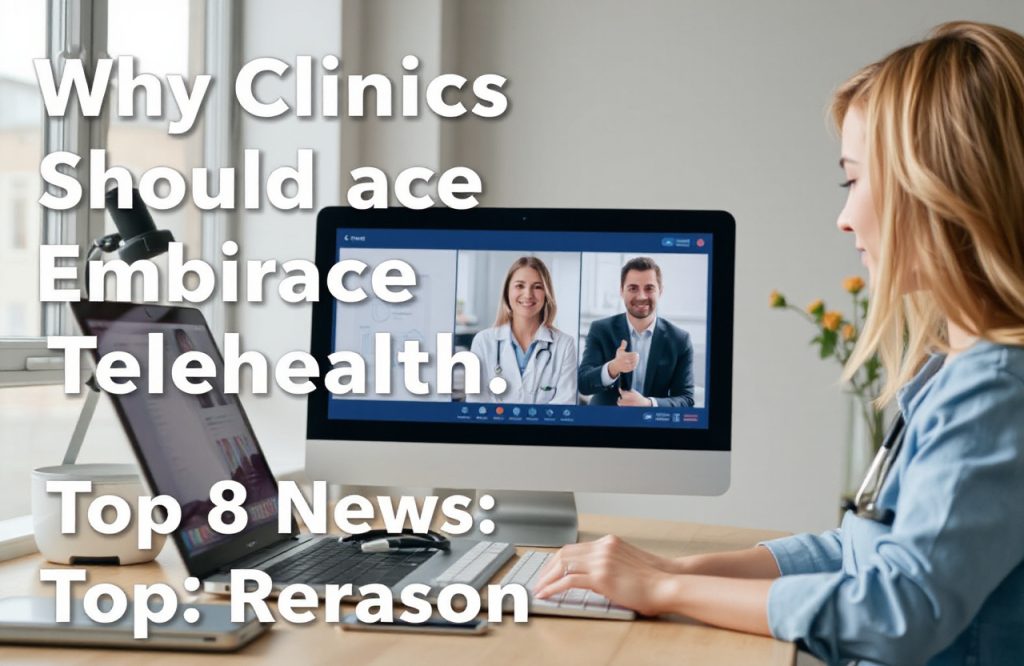
How Telehealth Solutions Enhance Clinic Operations
Introduction to Telehealth Benefits
Telehealth solutions are increasingly being adopted by clinics to improve patient retention, streamline workflows, enhance patient outcomes, and reach underserved communities. With a growing demand for remote healthcare options, clinics are leveraging telehealth as an effective means of communication and service delivery. A McKinsey survey indicates that 40% of telehealth users are eager to continue utilizing available online services, while many anticipate the expansion of virtual solutions to meet basic healthcare needs.
Key Advantages of Telehealth for Clinics
The integration of telehealth into a clinic’s regular operations offers numerous benefits, including improved patient outcomes for those with chronic conditions and a safer method of receiving medical care without the risk of exposure to illnesses in traditional healthcare settings. Below are the primary reasons clinics view telehealth as a valuable asset.
1. Enhanced Patient Experience
The conventional appointment scheduling process often requires patients to make calls or visit the clinic in person. Telehealth simplifies this by allowing patients to book appointments online with just a few clicks. Additionally, various online booking systems are available that cater to both in-person and telehealth appointments, making healthcare more accessible. Telehealth particularly benefits patients in remote areas and those with mobility issues, providing them with equal access to healthcare services. It also enables better transparency regarding service categories, pricing, and scheduling flexibility.
2. Secure Communication
HIPAA compliance is a critical concern for healthcare providers. Breaches of protected health information can lead to significant financial penalties and damage to a clinic’s reputation. Telehealth platforms are designed with security measures that adhere to HIPAA regulations, utilizing SSL encryption, two-factor authentication, and access control options to safeguard patient data. This minimizes the risk of data breaches and enhances the security of communications between specialists and patients.
3. Cost-Effectiveness
A McKinsey report indicates that telehealth could prevent 20% of in-person emergency visits, suggesting substantial cost savings for clinics. By facilitating urgent consultations through telehealth, clinics can reduce unnecessary in-person visits while still providing care for patients’ immediate concerns.
4. Competitive Advantage
Telehealth expands a clinic’s service offerings and enables them to reach patients in geographically isolated areas where competitors may not operate. To effectively serve these new markets, healthcare specialists will need appropriate licensing in the regions they wish to cover.
5. Improved Workflow
Telehealth simplifies the management of healthcare teams and patient workflows. By integrating telehealth software with clinic management systems, clinics can streamline scheduling, billing, and patient relationship management. Platforms like ExpertBox allow for automated appointment bookings, invoice generation, and task management, thereby enhancing overall operational efficiency.
6. Increased Patient Satisfaction
A PwC survey reveals that there is often a 25% gap between patient expectations and the experiences they receive. To address this, clinics can utilize telehealth platforms to gather feedback through secure and automated surveys. This feedback is vital for understanding patient needs and improving satisfaction rates.
7. Accessibility for Underserved Groups
Telehealth addresses the challenges faced by individuals in rural areas who struggle to access healthcare services. By enabling virtual appointments, clinics can better serve underserved populations, providing timely care and prescriptions for chronic conditions, while simultaneously expanding their patient base.
8. Revenue Growth
Implementing telehealth can positively impact a clinic’s revenue by fostering patient loyalty and reducing no-shows and scheduling conflicts. The long-term benefits of telehealth include fewer missed appointments, streamlined refund processes, optimized scheduling, and improved tracking of billable hours, all of which contribute to increased revenue.
Conclusion
The Covid-19 pandemic has accelerated the adoption of telehealth within clinics, highlighting its potential to transform healthcare delivery. As telehealth continues to evolve, it represents a significant growth opportunity for clinics aiming to enhance service efficiency and patient care.
Disclaimer
The editorial staff of Medical News Bulletin did not participate in the preparation of this article. The views expressed in this sponsored content reflect those of the advertiser and do not necessarily represent the opinions of Medical News Bulletin. External links provided are for convenience and do not imply endorsement. Medical News Bulletin does not offer specific medical advice, and users should consult healthcare professionals for personal medical inquiries.