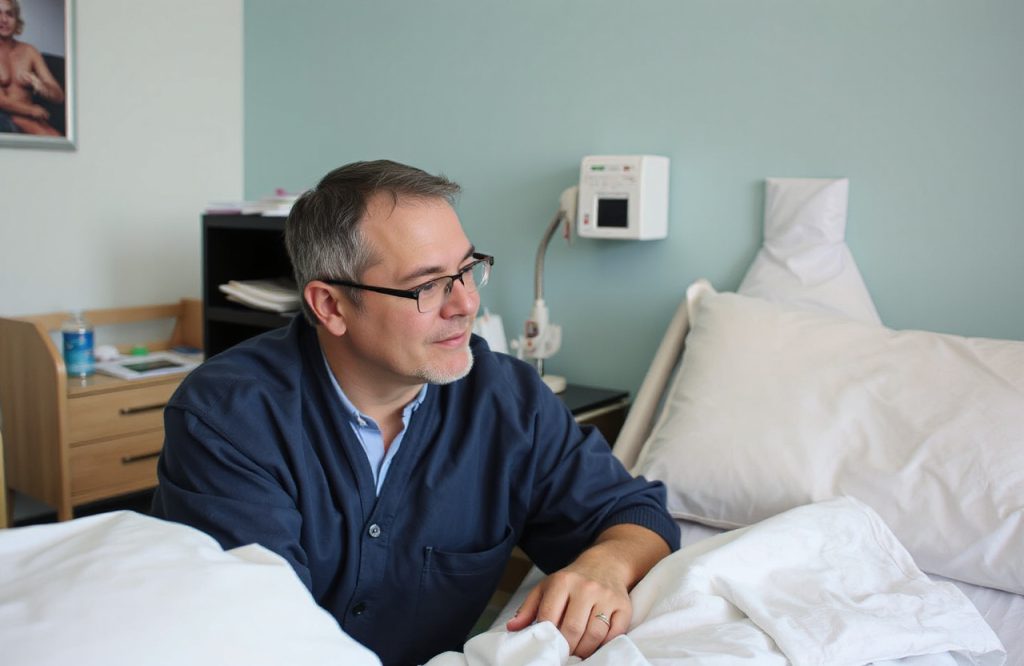
Personal Experience in a Clinical Oncology Trial
Initial Health Concerns
Kevin Yu, a 60-year-old father of two, believed he was relatively healthy, having never smoked or consumed alcohol. This perception changed dramatically in early 2010 when he began to notice troubling symptoms.
Diagnosis and Treatment
“In March of 2011, I had stomach pain intermittently for about a month. In early April, I realized I hadn’t had any bowel movements for a week and that I had lost 25 lbs. I was admitted to Sunnybrook Hospital and they discovered that I had a total blockage between my small intestine and colon due to a newly discovered tumor. That day, I was diagnosed with stage IV colon cancer which had spread to other organs,” Kevin recounted. Following an emergency surgery, he started chemotherapy in June 2011.
Family Support and Lifestyle Changes
In light of his diagnosis, Kevin’s family encouraged him to retire early from his job as a driver. “My family has been very supportive throughout, so I was never too worried. I actually enjoy the retired lifestyle with family care; I rested a lot,” he shared.
Setbacks in Treatment
Despite his optimism, Kevin faced a significant setback when, after 18 cycles of chemotherapy, the cancer cells continued to grow, indicating that the treatment was no longer effective. His oncologist then suggested exploring participation in a clinical trial testing a new treatment option.
Advocacy Through Family Experience
Coincidentally, Kevin’s daughter, Rosy, had recently started a position as a Clinical Research Nurse at a pain clinic, gaining valuable insights into clinical trials. “I was never particularly interested in research or clinical trials, but when the opportunity came, I didn’t want to decline a new chance to learn,” Rosy explained. She emphasized that her understanding of clinical trials had evolved significantly, realizing they provide hope and a second chance for patients facing tough conditions.
Support for Clinical Trials
Rosy’s professional journey has turned her into a strong advocate for clinical research. “I am now very supportive of clinical trials after learning that it is a mandatory and crucial step in the development of new medications, especially for those who are not benefiting from their current treatments,” she stated.
Decision to Participate in the Trial
After thoughtful consideration and discussion with his family, Kevin chose to participate in the clinical trial. “It turns out that the trial medicine worked really well on me. The side effects are minimal. I didn’t experience any nausea like I did with the previous chemo drug and my body hair began to reappear,” he noted.
Advice on Clinical Trial Participation
Despite the positive results, Rosy advises prospective participants to make informed decisions. “Ask yourself: are you happy with your current treatment? Is it working/doing what it should be doing? Read the informed consent carefully and take as much time as you need before you decide whether it is a study for you,” she recommended. She also reminded individuals that they have the right to withdraw from the study at any time after signing the consent form.
Hope for the Future
Kevin and his family continue to remain hopeful while cherishing their time together.