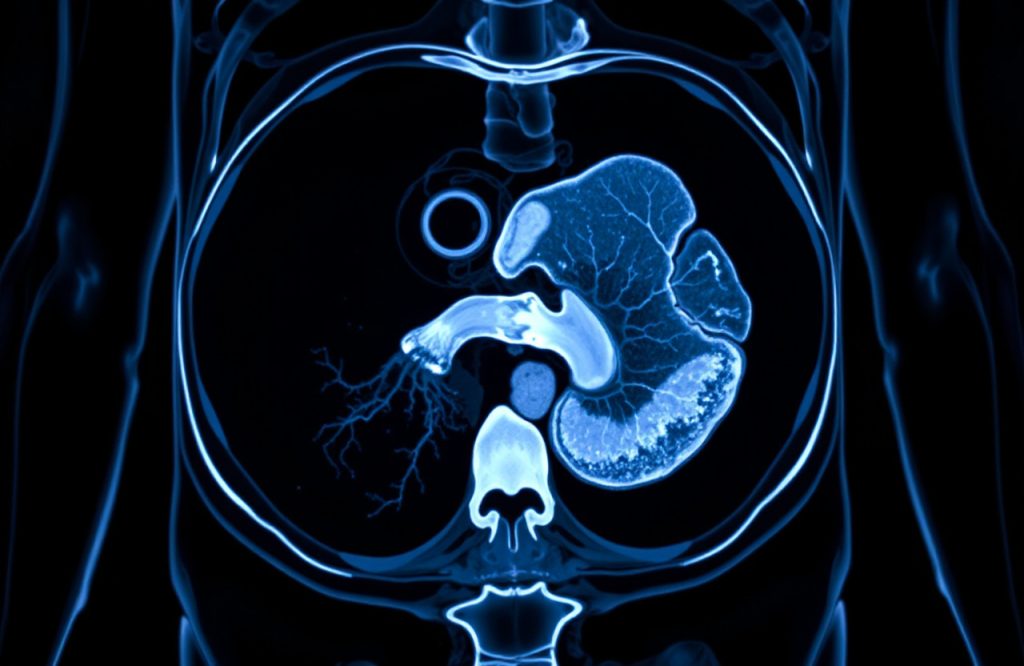
Study on Abdominal Aortic Aneurysm Screening in Sweden
Overview of Abdominal Aortic Aneurysm
A recent investigation published in The Lancet examined the relationship between Sweden’s abdominal aortic aneurysm (AAA) screening program and its impact on morbidity and mortality rates. An abdominal aortic aneurysm is characterized by the abnormal enlargement of the abdominal aorta, exceeding 50% of its original diameter. This enlargement can weaken the aorta’s walls, significantly increasing the risk of rupture and subsequent fatality.
Historical Context of AAA Screening
Research conducted during the 1980s and 1990s indicated that systematic screening for AAA effectively reduced associated morbidity and mortality. However, recent studies have begun to challenge these earlier conclusions, with some suggesting that nationwide AAA screening may be outdated and unnecessary.
Recent Study Findings
Minna Johansson led a recent study that sought to reassess the necessity of the nationwide AAA screening program for Swedish men aged 65 and older. The study included 25,265 participants who were invited for AAA screening and a control group of 106,087 participants who were not screened. The findings were published in The Lancet.
The study compared the incidence of AAA, mortality rates, and surgery rates between the two groups. Results indicated that 49 out of every 10,000 men screened were over-diagnosed, while 19 out of every 10,000 underwent avoidable surgical procedures. Over-diagnosed patients are those who have an AAA but are unlikely to experience any symptoms. Despite this, the diagnosis often leads to unnecessary surgeries that carry increased risks of morbidity, mortality, and psychological distress.
Decline in AAA-Associated Mortality
Interestingly, the authors noted a significant decline in AAA-associated mortality in Sweden, which decreased by nearly 70% from 2000 to 2015. They argue that this reduction is more closely linked to lower smoking rates rather than the effectiveness of the nationwide screening program.
Conclusion on Screening Efficacy
Overall, the study suggests that the potential harms associated with screening for abdominal aortic aneurysms may outweigh the benefits. The authors call for a serious reconsideration of the implementation of nationwide screening programs.
References
(1) Mayor, S. (2018). Harms of screening for abdominal aortic aneurysm outweigh benefits, says study. BMJ.
(2) Johansson, M., Zahl, P. H., Siersma, V., Jørgensen, K. J., Marklund, B., & Brodersen, J. (2018). Benefits and harms of screening men for abdominal aortic aneurysm in Sweden: a registry-based cohort study. The Lancet, 391(10138), 2441-2447.