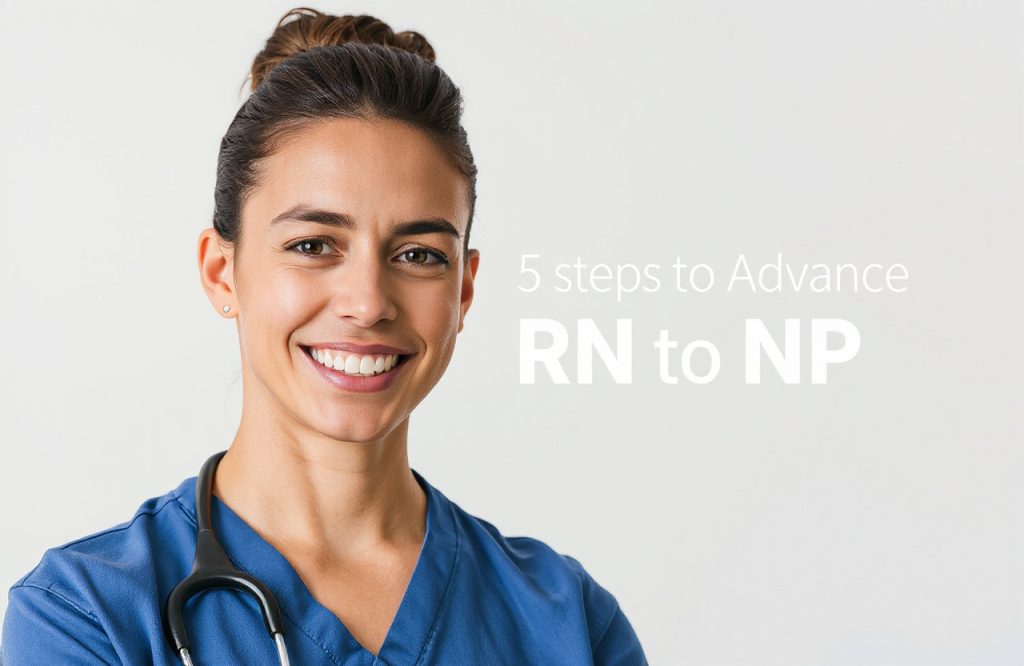
Advancing Your Nursing Career: Pathways for Registered Nurses
Opportunities for Growth
Registered Nurses (RNs) have various avenues to enhance their careers. By specializing, obtaining certifications, or pursuing further education, RNs can expand their knowledge and increase their earning potential. For those interested in career advancement, earning a Master of Science in Nursing (MSN) and becoming a Nurse Practitioner (NP) can be a strategic choice that opens up new opportunities.
Benefits of Becoming a Nurse Practitioner
Transitioning from an RN to an NP offers several advantages.
Specialization Opportunities
One of the primary benefits of becoming an NP is the ability to specialize in specific areas of care. These specialties can include psychiatry and mental health, pediatrics, family practice, gerontology, and more. Specialization allows RNs to develop expertise in areas that align with their interests.
Increased Earning Potential
Another significant advantage of earning an MSN is the potential for higher income and greater job opportunities. On average, Nurse Practitioners earn about 60% more than Registered Nurses, making this advancement a valuable investment for those pursuing a nursing career.
Steps to Becoming a Nurse Practitioner
If you are considering an MSN degree to become an NP, the process involves several important steps. While pursuing an NP program requires a significant commitment of time and resources, a well-planned approach can facilitate a smoother experience.
Step One: Assess Your Career Goals
Not every RN may find an MSN degree beneficial. If you aspire to advance your nursing career and unlock broader opportunities, an MSN might be the right path. Reflect on your professional ambitions to determine if this route aligns with your aspirations.
Step Two: Research Program Options
MSN degrees are available through various programs. It is crucial to explore the options available before selecting a program. Traditional in-person programs offer hands-on experience, while online RN to NP programs provide flexibility and a broader range of choices.
Step Three: Review Prerequisites
Each MSN program has specific prerequisites. These may include previous degrees, work experience, GPA requirements, and more. Understanding these requirements will help you prepare the necessary documentation for your application.
Step Four: Ensure Readiness for Success
Choosing to enroll in an MSN program should be based on your current life circumstances. MSN programs require significant effort, so it is essential to have a plan in place to balance your studies with other responsibilities.
Step Five: Seek Support
You do not have to navigate this process alone. Utilize available resources, including colleagues, professors, and friends, to support you during your journey. Assistance can come in various forms, such as help with study materials, juggling work schedules, or providing moral support, all of which can enhance your experience and facilitate your success in the program.
Conclusion
Regardless of your current position in nursing, pursuing an MSN degree and becoming an NP can significantly benefit your career. By understanding your needs, exploring available options, and considering your unique situation, you can successfully complete a degree program and advance your professional journey.