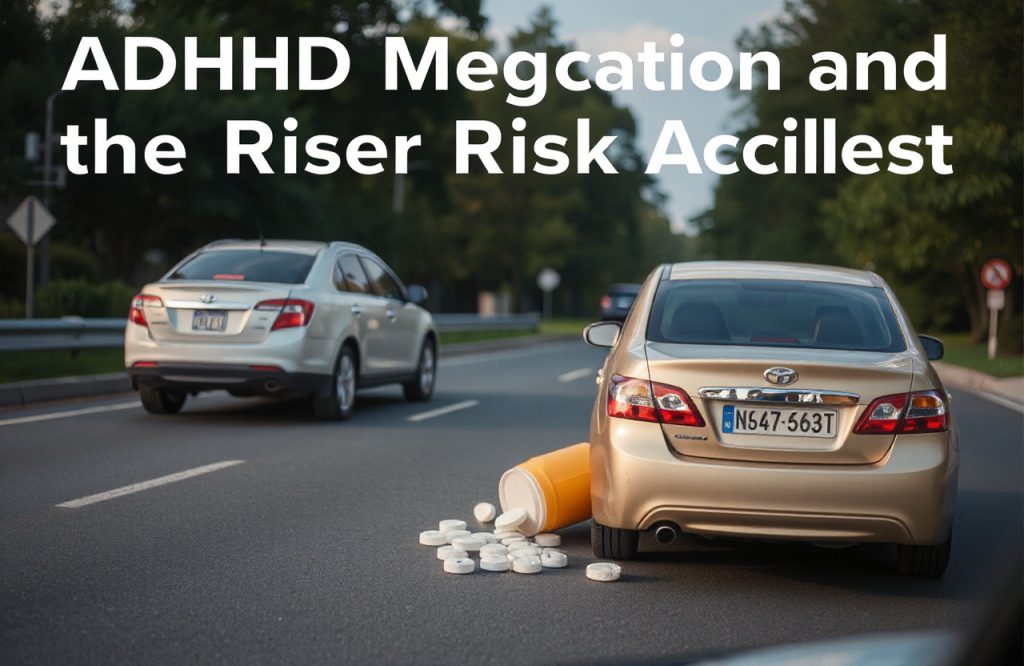
Motor Vehicle Crashes and ADHD: A Public Health Concern
The Impact of Motor Vehicle Crashes
Motor vehicle crashes (MVCs) represent a significant challenge in public health, resulting in approximately 1.25 million fatalities worldwide each year.
Understanding ADHD
Attention Deficit Hyperactivity Disorder (ADHD) is characterized by impulsiveness, hyperactivity, and inattentiveness. While ADHD is often diagnosed in childhood, its symptoms can persist into adulthood. Research indicates that individuals with ADHD are at a higher risk of being involved in MVCs.
The Role of Medication in Managing ADHD
ADHD is typically managed through medication, yet the effect of these medications on the likelihood of experiencing MVCs remains poorly understood.
Recent Research Findings
Study Overview
A recent study followed approximately 2 million individuals diagnosed with ADHD to examine how various ADHD medications influence MVC outcomes within this demographic.
Key Results
Findings revealed that individuals on ADHD medication had a reduced risk of being involved in MVCs. Specifically, men showed a 38% decreased risk, while women experienced a 42% reduction in risk during treatment periods compared to times when they were not receiving medication.
Implications of the Study
These results underscore the potential protective role of ADHD medication in reducing fatalities and injuries associated with MVCs. Further replication of this study could strengthen these conclusions and support the use of ADHD medication in decreasing morbidity and mortality rates linked to motor vehicle crashes.
Conclusion
The relationship between ADHD medication and MVC risk highlights a critical area for further research, emphasizing the importance of effective management strategies for individuals with ADHD.
Author Information
Written By: Jade Marie Evans, MPharm, Medical Writer