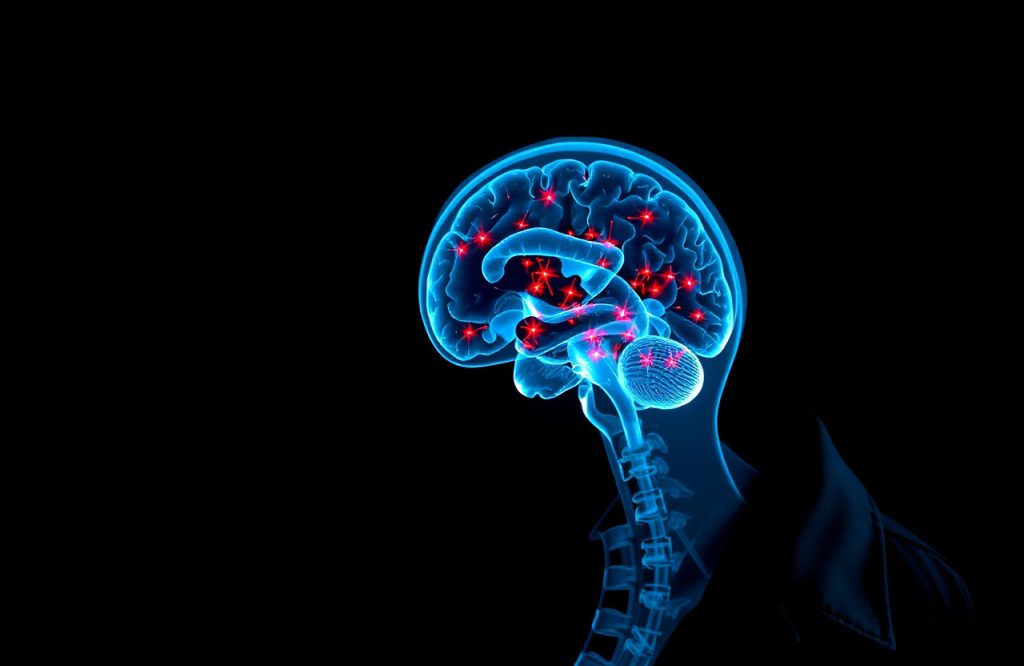
NIH Grant for Non-Invasive Parkinson’s Disease Diagnostic Test
Introduction to Parkinson’s Disease
The National Institutes of Health (NIH) is funding a group of American researchers with a grant of $3.6 million aimed at developing a non-invasive diagnostic test for Parkinson’s disease (PD). This debilitating disorder impacts both physical and mental functions, with its progression leading to the eventual cessation of gross motor skills and cognitive abilities. The degeneration associated with PD is primarily due to the loss of brain cells, particularly those that release dopamine.
The Role of Alpha-Synuclein in Parkinson’s Disease
A significant contributor to this degeneration is the accumulation of a protein known as alpha-synuclein (aSyn). Although the precise role of aSyn in both health and disease remains partially understood, its implications in PD have been extensively researched. aSyn belongs to a broader category of proteins referred to as amyloidogenic proteins, which are known for their tendency to misfold into non-functional structures. Other notable proteins in this category include prions, which are associated with Creutzfeldt-Jakob disease, and amyloid beta and tau proteins, which are linked to Alzheimer’s disease and related dementias.
Impact of Amyloidogenic Proteins
The misfolded form of these proteins, including aSyn, can severely disrupt the normal functioning of dopamine-releasing neurons. This disruption leads to a decrease in dopamine levels, impaired signaling within the nervous system, and ultimately, neuronal death. Although the clinical symptoms of PD and related disorders typically manifest later in the disease’s progression, the molecular processes involving aSyn accumulation begin long before the onset of symptoms, sometimes even decades earlier.
The Need for a Diagnostic Test
Given this early accumulation, developing a diagnostic test to measure aSyn levels is crucial. Such a test could help determine an individual’s likelihood of developing PD and potentially predict the timing of symptom onset. Existing tests for aSyn detection, however, typically involve spinal fluid sampling, a procedure that can be invasive and burdensome for patients.
NIH Support for Innovative Research
In light of these challenges, the NIH has recently announced its support for the creation of a “patient-friendly” diagnostic tool for PD through a $3.6 million grant. This funding has been awarded to Dr. Wenquan Zou and his team at the Case Western Reserve University School of Medicine. The grant will facilitate the development of a simple, non-invasive skin test designed to detect and quantify aSyn levels.
Advantages of the New Diagnostic Approach
The proposed skin test offers several advantages over current methods, including ease of administration, increased accuracy, and the potential for use well before symptoms appear. Furthermore, this innovative platform may pave the way for similar tests for other neurodegenerative disorders, such as Creutzfeldt-Jakob disease and Alzheimer’s disease.
Expert Insights and Future Prospects
In a recent press release, Dr. Zou elaborated on the significance of this research, stating, “Ascertaining the presence, volume, and dispersion of the misfolded α-Syn proteins in more accessible specimens such as the skin can also be used for monitoring the progression of the disease and evaluating the effectiveness of new treatments.” He expressed optimism for the future, remarking, “We are hopeful that our findings will pave the way for painless, accurate, and early detection of a series of devastating neurodegenerative diseases that are sure to escalate in number as the aging of the population continues and individuals live longer with chronic diseases.”
Conclusion
This initiative represents a significant step forward in the quest for early diagnosis and intervention in Parkinson’s disease and related disorders, potentially improving the quality of life for countless individuals.
Reference
Eurekalert news release: Major NIH grant will support early diagnosis of Parkinson’s disease via skin testing. Available from: https://www.eurekalert.org/pub_releases/2019-10/cwru-mng100419.php
Image Credit
Image by Darko Stojanovic from Pixabay