New Technique for Personalized Medical Treatment
Understanding Personalized Medicine
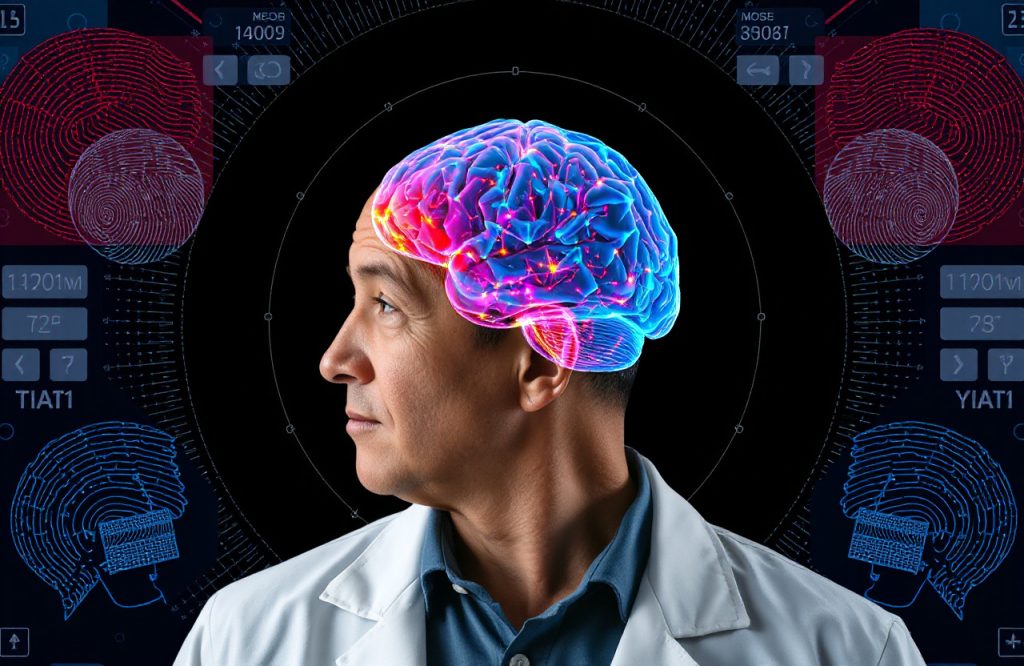
In a recent study, researchers introduced an innovative technique that utilizes a “fingerprint” to enhance personalized medical treatment. Personalized medicine emphasizes the need for individualized care for patients, even when they share the same disease or diagnosis. This approach is grounded in various factors, including a patient’s genetic makeup and medical history.
Challenges in Implementing Personalized Medicine
Despite its potential, personalized medicine faces several limitations. In neurology, these challenges include misattributing causation (such as linking a specific factor to a disease) and inaccurately utilizing statistics to identify molecular markers associated with diseases. The complexity of the brain further complicates modeling efforts, although advancements in software and theories, such as mathematical-based control theory, have improved the modeling of dynamic neural activity.
Personalized Therapeutic Intervention Fingerprint (pTIF)
Study Overview
In their recent research, Iturria-Medina and colleagues aimed to develop a more tailored approach to disease treatment through the personalized Therapeutic Intervention Fingerprint (pTIF). This fingerprint employs concepts from mathematical-based control theory. The study specifically investigated the pTIF’s ability to predict molecular differences among individuals with similar neurodegenerative conditions, particularly in an aging population.
Research Findings
The findings from this study were published in the journal NeuroImage. Researchers analyzed data from 1,006 individuals, including brain imaging data from the Alzheimer’s Disease Neuroimaging Initiative (ADNI). They examined various properties, including blood samples and neurological factors, and ultimately created pTIF profiles for 331 patients.
The study sought to identify potential therapeutic interventions that could mitigate or reverse biological imbalances in affected individuals. A high “deformation” in the pTIF profile indicated a greater need for therapeutic intervention and potential biological consequences. The researchers concluded that the pTIF was more effective at identifying biological and molecular differences than traditional cognitive and clinical evaluations.
Implications for Treatment
The authors hypothesized that in advanced stages of neurodegenerative diseases, structural brain restoration should be prioritized in treatment, while in early stages, vascular interventions may be more beneficial.
Potential Applications and Limitations of pTIF
Determining Suitable Therapies
In conclusion, the authors suggest that the pTIF method could assist in identifying appropriate therapeutic interventions for specific patient subsets. They acknowledge the trade-offs between this data-intensive approach and conventional clinical methods. Nonetheless, they caution against making causal interpretations based solely on pTIF results. For instance, while pTIF may indicate that focusing on glucose metabolism could be advantageous, it does not imply that deficiencies in glucose metabolism are the primary cause of the disease.
Role in Clinical Trials
The pTIF may also facilitate recruitment for clinical trials by creating a more homogeneous population of participants with similar characteristics and molecular profiles. Furthermore, it could be utilized in the analysis of clinical trial outcomes to better understand differences and similarities in results.
Future Research Directions
Despite its promising applications, the pTIF has limitations. The study could have benefited from additional data to develop more comprehensive pTIF profiles, including information on neuroinflammation or electrophysiological properties. Future research should involve implementing pTIF in studies where various treatments are applied to patients with the same disease to fully validate this method. Ultimately, pTIF may play a significant role in the evolution of personalized medicine.
Reference
Iturria-Medina Y, Carbonell FM, Evans AC; Alzheimer’s Disease Neuroimaging Initiative. Multimodal imaging-based therapeutic fingerprints for optimizing personalized interventions: Application to neurodegeneration. Neuroimage. 2018; 179:40-50. doi: 10.1016/j.neuroimage.2018.06.028.