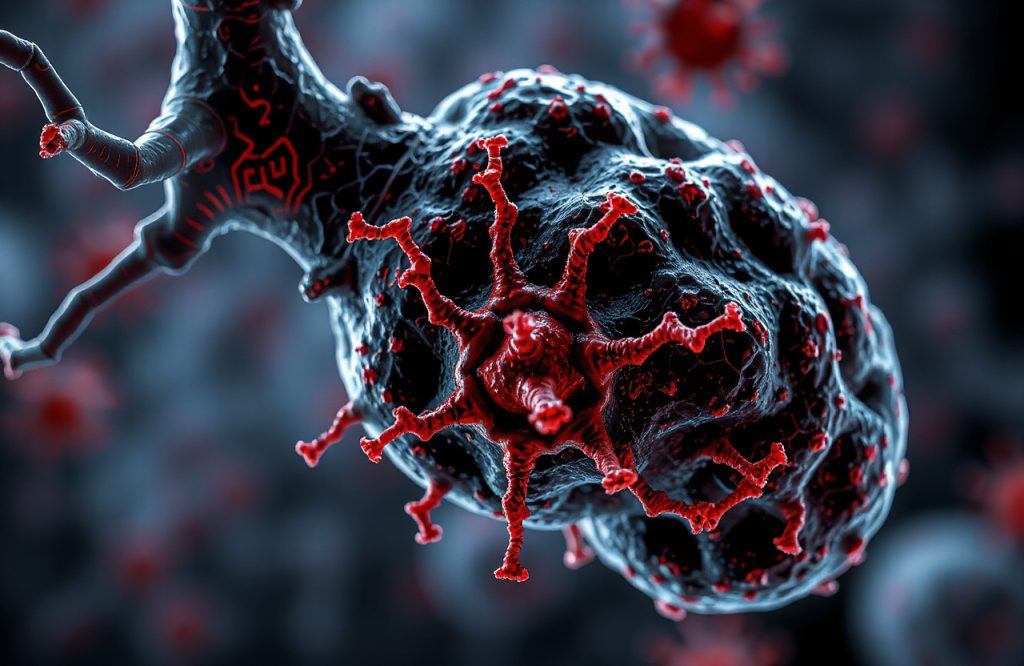
The Immune System: Our Body’s Defense Mechanism
Understanding the Immune System
The immune system serves as our body’s natural defense against diseases and infections. It comprises specialized cells and substances that collaborate to maintain our health. By identifying and eliminating harmful organisms known as pathogens, such as viruses and bacteria, the immune system plays a crucial role in our well-being.
Types of Immune Responses
The immune system employs two primary responses to pathogens. The first, known as the innate immune response, is rapid and general. In contrast, the adaptive immune response is slower but more specific. The innate immune system is considered our initial defense against infections, while the adaptive immune response, although delayed, offers targeted action against specific pathogens.
The Innate Immune System
Components of the Innate Immune System
What constitutes the innate immune system? It includes physical barriers such as skin and body hair, which act as the first line of defense against illness. Additionally, white blood cells are pivotal in quickly combating pathogens. Mucosal surfaces and tears produced by our eyes are further examples of how the innate immune system protects us from infections.
The Role of Genetics in Immunity
Researchers are exploring how our genetics influence the immune system. Genetic immunology is an emerging field with many questions yet to be answered. A recent study published in BioMed Central Genomics has shed light on the involvement of specific genes in the innate immune system, focusing on the polymerase associated factor 1 (PAF1) complex and its role in immune responses.
Insights into the PAF1 Complex
Function of the PAF1 Complex
The PAF1 complex regulates how genes function in our bodies, ensuring that those linked to the innate immune system operate effectively. This complex can influence gene activity by binding to specific DNA segments, allowing it to activate or deactivate genes or modify their functions. Such precise regulation is essential for the proper functioning of the innate immune system.
Research Findings on the PAF1 Complex
Researchers at the University of California have discovered that the PAF1 complex plays significant roles in innate immune responses. Evidence indicates that it can enhance or suppress different aspects of the innate immune system, although the exact mechanisms remain unclear. The findings confirmed the PAF1 complex’s essential role, as disruptions in its function can lead to diseases, including cancer.
Improving Immune Function
Strategies for Boosting the Immune System
While genetic factors like the PAF1 complex are beyond our control, there are several strategies to enhance our immune function. Maintaining a healthy lifestyle is one of the most effective ways to support the innate immune system. Regular exercise, sufficient sleep, and a diet rich in fruits and vegetables are key components of a healthy lifestyle.
Managing Stress for Immune Health
Minimizing stress is another crucial factor in bolstering the immune system. Chronic stress can undermine immune function, making individuals more susceptible to infections. Research suggests that practices such as meditation and deep breathing exercises can effectively reduce stress levels.
Conclusion: Caring for Your Immune System
For those concerned about their immune health, consulting a healthcare professional is advisable. As research advances our understanding of both innate and adaptive immunity, our ability to maintain health will continue to improve.