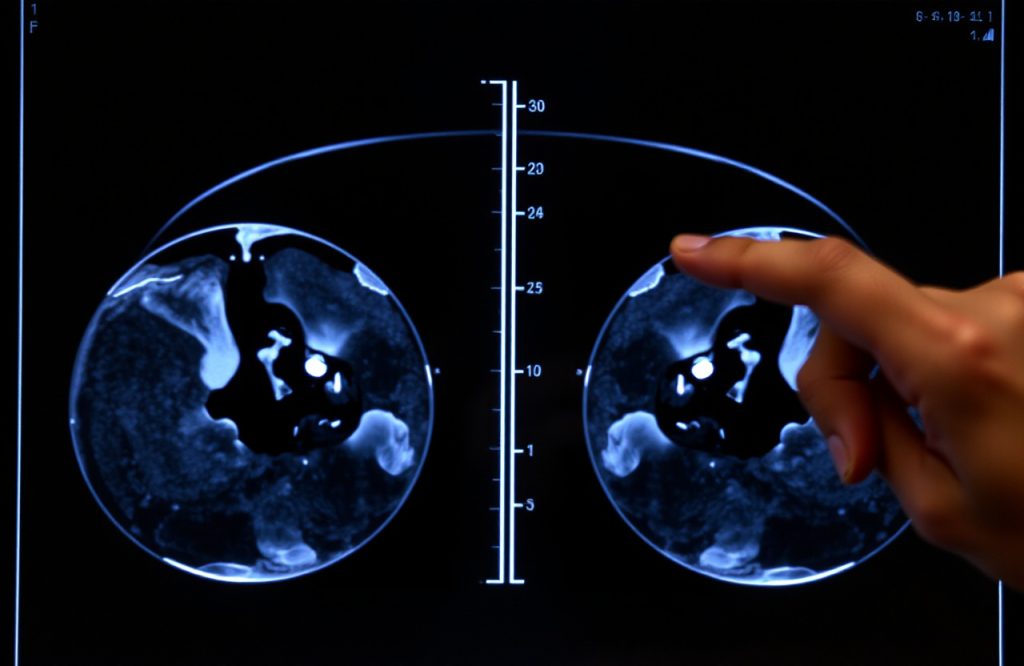
AI-Enhanced Mammograms and Interval Breast Cancer Reduction
The Role of Artificial Intelligence in Mammography
Artificial intelligence (AI)-supported mammography has the potential to facilitate earlier detection of clinically significant and aggressive breast cancers. Recent evidence from a large-scale trial indicates that the implementation of AI in mammography led to a 12% reduction in interval breast cancers and a 27% decrease in aggressive cancer cases compared to standard screening methods.
Improving Detection Rates and Radiologist Efficiency
AI-supported screening not only enhanced sensitivity but also maintained the same level of specificity. This advancement resulted in a higher overall cancer detection rate without an increase in false-positive results. Additionally, the findings suggest that AI can significantly alleviate the workload for radiologists.
Importance of Early Detection in Breast Cancer
Breast cancer screening, primarily through mammograms, is vital for the early detection of breast cancer, often before symptoms emerge. Early identification can dramatically improve treatment success rates, lessen the necessity for aggressive surgical interventions, and significantly decrease mortality associated with breast cancer.
Understanding Interval Breast Cancer
Guidelines for breast cancer screening vary based on individual risk factors, with recommendations often suggesting mammograms annually or biennially. Despite adhering to regular screening protocols, some individuals may still be diagnosed with interval breast cancer. Interval breast cancer refers to cases diagnosed between scheduled mammogram screenings. These cancers occur in approximately 10 to 20 out of every 10,000 women who undergo biennial mammograms and account for around 20 to 30% of all breast cancer diagnoses in this group.
Characteristics and Challenges of Interval Breast Cancer
Interval breast cancers are typically larger, grow more rapidly, spread more quickly, and tend to have a poorer prognosis than cancers identified during routine screenings.
Insights from Recent Research
A recent study published in The Lancet highlights that AI-supported screening may effectively reduce the incidence of interval breast cancers, enhance cancer detection, and improve screening efficiency for radiologists.
Expert Commentary on AI in Mammography
Dr. Kristina Lång, MD, PhD, an associate professor in Diagnostic Radiology at Lund University and consultant in breast imaging at Unilabs Mammography unit in Malmö, shared her insights on the study:
“The MASAI trial demonstrates that AI-supported mammography screening increases cancer detection by 29% without increasing false positives, reduces interval cancers by 12%, and lowers radiologists’ reading workload by 44%.”
She further emphasized, “Importantly, AI enabled earlier detection of clinically relevant invasive and aggressive cancers while they were still relatively small and was associated with fewer interval cancers of these subtypes, suggesting potential improvements in outcomes for women participating in screening.”