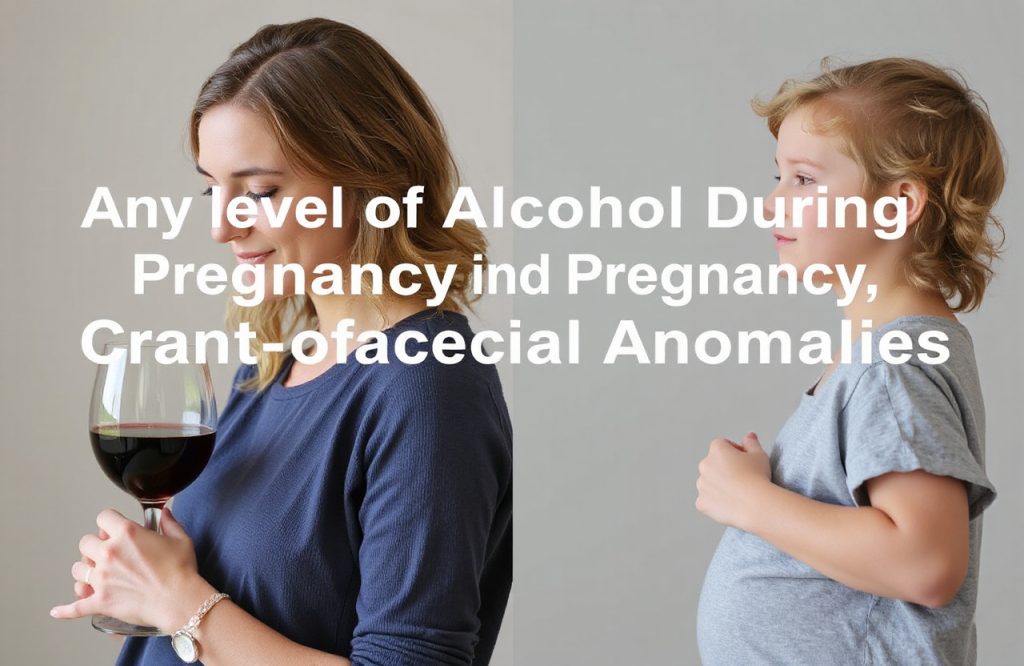
Impact of Prenatal Alcohol Exposure
Understanding Fetal Alcohol Syndrome
Prenatal alcohol exposure is known to cause fetal alcohol syndrome (FAS) and related disorders. Research by Muggli and colleagues highlights that even low levels of alcohol consumption during pregnancy are associated with craniofacial anomalies in children, potentially indicating underlying cognitive disorders.
Guidelines for Expectant Mothers
Expectant mothers are advised to refrain from alcohol intake throughout pregnancy. The consequences of prenatal alcohol exposure can manifest as fetal alcohol syndrome or related disorders, resulting in developmental and cognitive challenges for infants. These challenges often include difficulties with motor skills and speech. Moreover, many children diagnosed with fetal alcohol syndrome exhibit distinct craniofacial features.
Limitations of Current Assessments
Current assessments of craniofacial shape may be overly simplistic, necessitating more comprehensive studies.
Research Findings by Muggli and Colleagues
Study Overview
To explore the connection between prenatal alcohol exposure and craniofacial disorders, Muggli and colleagues conducted a study published in JAMA Pediatrics. They examined the relationship between craniofacial characteristics in children and varying levels of maternal alcohol consumption. The study’s sample included 415 white Australian children aged 12 months, utilizing 3-D imaging for a holistic assessment of craniofacial shape. The researchers classified alcohol exposure during pregnancy into categories: low, moderate, high, and binge-level. A control group was established comprising children whose mothers abstained from alcohol entirely.
Key Findings
The study revealed a consistent correlation between craniofacial shape and the level of alcohol exposure during pregnancy, irrespective of the timing of exposure. Notably, the most pronounced changes were observed in children whose mothers reported high levels of prenatal alcohol consumption. Interestingly, significant alterations in craniofacial shape were found only in children whose mothers felt the effects of alcohol “quickly” or “very quickly,” contrasting with those whose mothers experienced these effects at a normal rate.
Conclusions
These findings indicate that even low levels of alcohol consumption during pregnancy may lead to both visible changes in craniofacial structure and invisible developmental and cognitive disorders in children. Additionally, it appears that a mother’s metabolism of alcohol may influence the severity of these outcomes.
About the Author
Written by: C.I. Villamil