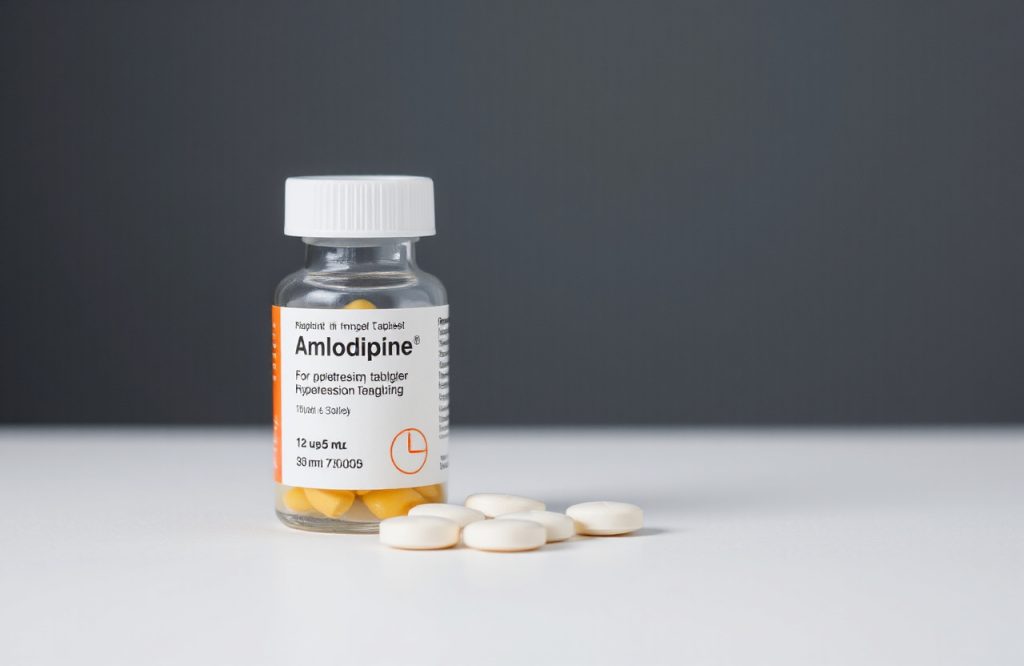
Amlodipine Overview
What is Amlodipine?
Amlodipine, marketed under the brand name Norvasc, is classified as a calcium channel blocker. It is commonly prescribed to manage hypertension and various cardiovascular-related conditions.
Indications for Use
Amlodipine is primarily used to treat high blood pressure (hypertension), which helps lower the risk of severe cardiovascular incidents such as heart attacks and strokes. It is also effective for treating angina, a type of chest pain caused by reduced blood flow to the heart. Additionally, it may be prescribed off-label for complications associated with coronary artery disease, as it may help reduce carotid arterial plaques and lower the incidence of heart attacks in affected individuals.
Dosage and Administration
Amlodipine is available as amlodipine besylate and is convenient for patients due to its long half-life of 30 to 50 hours, allowing for once-daily dosing.
Discovery and Development
Historical Context
The development of calcium channel blockers began in the 1960s, focusing on their efficacy in dilating coronary blood vessels, based on earlier findings regarding calcium’s role in muscle contraction. Initial examples include flunarizine, verapamil, nifedipine, and diltiazem.
Amlodipine’s Unique Properties
When amlodipine was introduced in the early 1980s, it exhibited unique pharmacological properties, such as a slow-release mechanism, which minimized significant acute drops in blood pressure. The FDA granted approval for amlodipine in 1987.
Mechanism of Action
How Amlodipine Works
Amlodipine alleviates vasoconstriction, which increases blood pressure due to reduced intravascular space. It achieves this by blocking calcium channels, consequently decreasing calcium influx into smooth muscle cells. This action leads to vasodilation and a reduction in blood pressure, primarily affecting vascular smooth muscle rather than cardiac muscle.
Side Effects of Amlodipine
Common Side Effects
While generally mild compared to other medications, common side effects of amlodipine may include headache, ankle edema, drowsiness, dizziness, skin flushing, and nausea. Patients should consult their doctor if they experience concerning symptoms.
Serious Risks
Rare cases have linked calcium channel blockers to liver disease, but recovery is typically expected after discontinuation of the medication. Amlodipine should not be taken by individuals allergic to it, as this can lead to severe allergic reactions. There is some evidence suggesting that it may exacerbate ventricular dysfunction in patients with severe aortic stenosis, but findings remain inconclusive.
Considerations in Pregnancy
The safety of amlodipine during pregnancy remains uncertain, and it is not commonly prescribed for pregnant women due to potential risks.
Drug Interactions
Amlodipine can interact with various medications, including certain antibiotics, antifungals, other antihypertensives, some antiretrovirals, certain antiepileptics, immunosuppressants, and high doses of simvastatin. Patients should inform their healthcare providers of all medications and supplements they are taking.
Conclusion
This article is intended for informational purposes and should not be considered medical advice. For personalized recommendations, consult a healthcare professional.
References
1. Bulsara, K.G., Cassagnol, M. (2020). Amlodipine. StatPearls.
2. Steffen, H. (2004). Use of calcium channel antagonists for the treatment of hypertension in the elderly. Drugs Aging.
3. RxList Professional (2020). Norvasc. RxList.
4. Preston Mason, R. (2002). Mechanisms of plaque stabilization for amlodipine. Atherosclerosis.
5. Godfraind, T. (2017). Discovery and development of calcium channel blockers. Front Pharmacol.
6. Burges, R.A., Dodd, M.G. (1990). Amlodipine. Cardiovascular Drug Reviews.
7. Ananchenko, G., Lewis, J., et al. (2012). Amlodipine Besylate. Profiles of Drug Substances.
8. National Institute of Diabetes and Digestive and Kidney Diseases (2017). Calcium Channel Blockers. LiverTox.
9. National Institute of Diabetes and Digestive and Kidney Diseases (2016). Amlodipine. LiverTox.
10. Kang, T.S., Park, S. (2018). Antihypertensive treatment in severe aortic stenosis. J Cardiovasc Imaging.
11. Mito, A., Murashima, A., et al. (2019). Safety of amlodipine in early pregnancy. Journal of the American Heart Association.
12. NHS UK (2018). Amlodipine. NHS, United Kingdom.