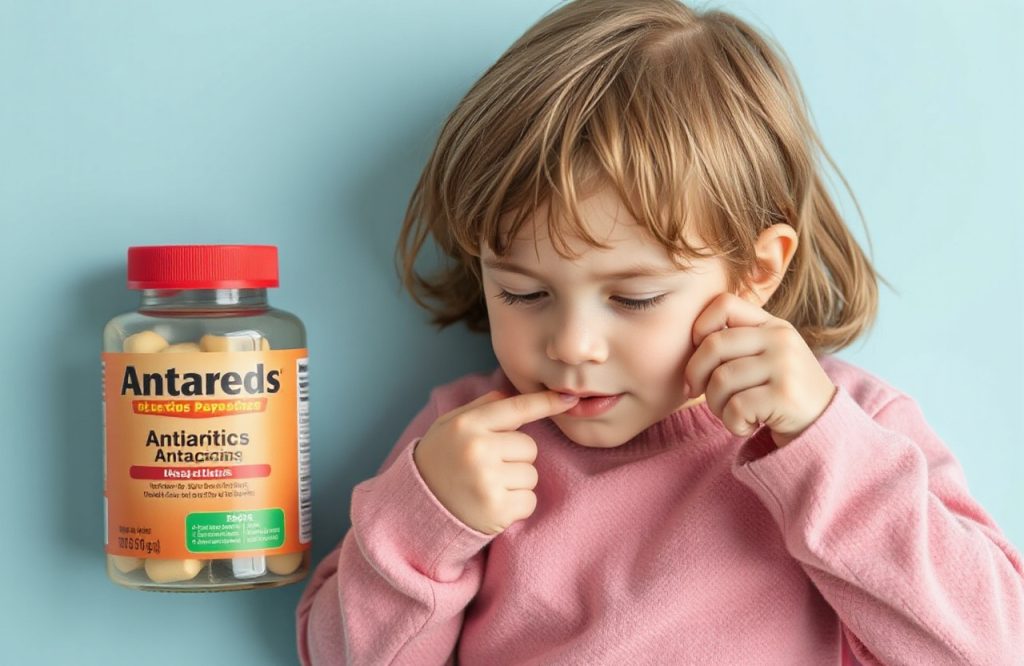
Rising Allergies in Children: Investigating Contributing Factors
The Growing Concern of Allergies
The prevalence of allergies among children has escalated in recent years, prompting researchers to explore potential contributing factors. A recent study published in JAMA Pediatrics examined whether the use of acid-suppressive medications influences the development of allergies in children.
Increase in Allergic Diseases
Over the past few decades, there has been a notable rise in the number of children affected by allergic diseases and asthma. Specifically, food allergies, allergic rhinitis, and sensitivities to common allergens like pollen have surged, resulting in increased hospitalizations due to anaphylaxis. Researchers suspect that certain medications may be linked to this alarming trend.
Research Findings on Medications and Allergies
Study Overview
In the study involving 792,130 children, researchers investigated the relationship between the use of acid-suppressive medications or antibiotics during the first six months of life and the subsequent development of allergies.
Key Findings
The analysis revealed a significant correlation between the use of acid-suppressive medications and antibiotics and the emergence of allergies in children. The researchers noted that rising usage of acid-suppressive medications was associated with an increase in four primary allergic diseases, particularly food allergies. Additionally, antibiotic use in early infancy was linked to heightened risks of various allergic conditions, including:
– Food allergy
– Atopic dermatitis
– Urticaria
– Contact dermatitis
– Medication allergy
– Allergic conjunctivitis
– Anaphylaxis
The risk associated with antibiotic use varied, increasing from 9% to 51%, with asthma risk exceeding 100% and allergic rhinitis risk rising by 75% among children who received antibiotics during infancy.
Understanding the Mechanisms Behind the Association
Proposed Explanations
The researchers proposed several mechanisms that may clarify the observed associations:
1. **Microbiome Disruption**: Exposure to acid-suppressive medications and antibiotics may disturb the gut microbiome, thereby heightening the likelihood of developing allergies.
2. **Protein Breakdown**: Acid-suppressive medications can hinder the breakdown of proteins in the stomach, leading to increased production of Immunoglobulin E, a component that facilitates allergic reactions.
3. **Immune System Influence**: Histamine receptor antagonists, a type of acid-suppressive medication, may impact the immune system in a way that exacerbates allergic diseases.
Considerations and Future Research
The researchers cautioned that the increased prescription of acid-suppressive medications and antibiotics might also be a result of misdiagnosis in infants already exhibiting allergic symptoms. While this does not account for all findings, it is a critical factor to consider.
The study underscores the necessity of prescribing antibiotics and acid-suppressive medications to infants only when there is a clear benefit. Further research is essential to clarify the exact causes behind the observed links between these medications and allergic diseases.
Conclusion
This study highlights the complex relationship between early medication use and the rising incidence of allergies in children. Continued investigation is vital to better understand these connections and guide safe prescribing practices for young patients.
Reference
Mitre. E et al. (2018). Association Between Use of Acid-Suppressive Medications and Antibiotics During Infancy and Allergic Diseases in Early Childhood. Available: https://jamanetwork.com/journals/jamapediatrics/article-abstract/2676167?redirect=true. Last accessed 21st Apr 2018.