ECMO Use in Treating Severe COVID-19 Cases
Overview of ECMO
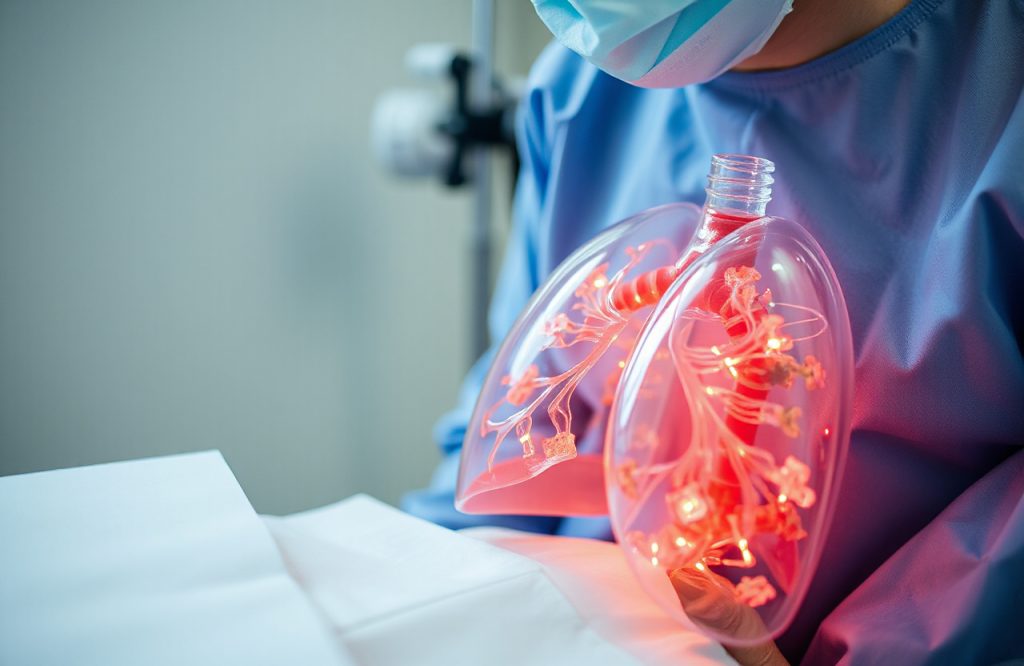
Extracorporeal membrane oxygenation (ECMO) is a critical machine that can substitute for lung function in patients suffering from severe respiratory failure, particularly among those affected by COVID-19. Respiratory failure remains the leading cause of mortality in COVID-19 patients, often accompanied by cardiac complications.
Risk Factors for Severe COVID-19 Illness
Certain demographics are more susceptible to severe illness from COVID-19. Patients aged 65 and older, those with obesity, and individuals with pre-existing health issues like diabetes, asthma, and coronary heart disease are recognized as at heightened risk.
Clinical Findings on ECMO Treatment
A research team shared their findings from a cohort of 32 COVID-19 patients with critically impaired lung function who did not respond to traditional treatments. Their results were published in the ASAIO journal.
The ECMO device works by drawing blood from the patient, oxygenating it, removing carbon dioxide, and then returning the oxygen-rich blood back to the body. This technology is intended to provide the lungs with an opportunity to heal, particularly in scenarios where ventilators are insufficient for patient survival.
Survival Rates and Outcomes
Data from prior studies, such as during the H1N1 pandemic, indicated that ECMO could lead to a 79% survival rate in patients with severe respiratory failure. In the current study, 68% (22 out of 32) patients survived at the time of publication. The ten patients who did not survive experienced death prior to or shortly after ECMO removal, with respiratory failure being the primary cause of death in six cases.
Of the 22 patients who survived, five were removed from the ECMO machine, with one being discharged from the hospital. Notably, the patients who recovered had received support primarily for lung function and not for heart function. None of the patients requiring both lung and heart support were successfully weaned off ECMO, suggesting that those with more severe initial compromise had poorer outcomes.
Impact of Age and Pre-existing Conditions
Younger patients without significant pre-existing conditions showed better recovery rates with ECMO compared to older patients. Dr. Jeremiah Hayanga, the director of ECMO at West Virginia University and a member of the research team, noted that patients over 70 have significantly lower survival rates. The Extracorporeal Life Support Organization considers age 65 to be a relative contraindication for ECMO, thus necessitating careful evaluation of older patients.
Medication Usage in ECMO Patients
Contrary to earlier reports from China suggesting steroids could be harmful to COVID-19 patients, four out of the five patients who recovered in this study were treated with steroids. Other medications administered included Remdesivir (in three patients), Tocilizumab or Sarilumab (in two patients), and hydroxychloroquine (in one patient). Due to the small sample size, further research is required to fully understand the efficacy of these medications in managing COVID-19.
Dr. Jeffrey Jacobs, a collaborator with the research team, emphasized the complexity of COVID-19 treatment, stating that any single treatment is just one part of a broader strategy. Continuous research is essential to clarify the roles of various medications both with and without ECMO support.
Conclusion
Dr. Hayanga highlighted that findings from this study provide valuable insights for clinicians in discussing the individualized risks and benefits of ECMO with patients and their families.
For a variety of personal protective equipment, please visit www.medofsupply.com.
Written by Bhavana Achary, Ph.D.
Reference: Jacobs JP, Stammers AH, St Louis J, et al. Extracorporeal Membrane Oxygenation in the Treatment of Severe Pulmonary and Cardiac Compromise in COVID-19: Experience with 32 patients [published online ahead of print, 2020 Apr 17]. ASAIO J. 2020;10.1097.
Image by iXimus from Pixabay.