Assessment of SARS-CoV-2 in Wastewater and Public Health Risks
Impact of COVID-19 on Public Health Strategies
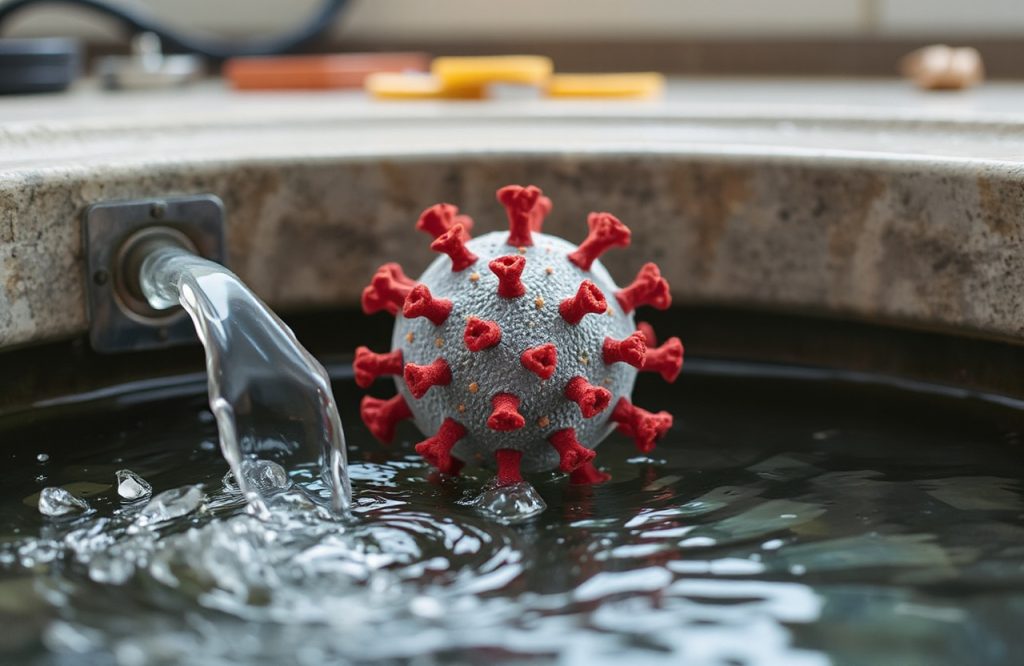
An international coalition of environmental specialists has evaluated the potential public health implications of SARS-CoV-2 in wastewater. Strategies to control the COVID-19 pandemic primarily focus on minimizing the spread of the highly contagious SARS-CoV-2 virus. The virus primarily transmits through close personal interactions, respiratory droplets, aerosols, and contact with contaminated surfaces. However, additional sources of transmission may exist.
Historical Context of Virus Transmission via Wastewater
During the SARS-CoV-1 outbreak in 2003, a cluster of cases linked to an apartment complex indicated that the virus could be transmitted through contaminated wastewater. This transmission could occur via aerosolized particles generated by toilet flushing or through malfunctioning plumbing systems. Similar to its predecessor, SARS-CoV-2 has been detected in the feces of infected individuals, raising concerns about indirect transmission through wastewater systems.
Expert Evaluation of Current Evidence
A group of environmental experts conducted a comprehensive review of the existing literature on coronaviruses in wastewater, which included an examination of potential virus sources, detection methods, infectivity, and survival rates in wastewater. They also assessed the likelihood of virus spread through sewer systems and the impact of treated wastewater on crop irrigation, surface water, and groundwater.
The findings indicate that infectious SARS-CoV-2 particles can be found in wastewater, potentially spreading through leaking sewage systems or inadequately treated wastewater used for agricultural irrigation or recreational water. Alarmingly, approximately 3.5 billion people globally rely on unsafe sanitation, facilitating the transmission of viral diseases, including SARS-CoV-2, which poses a significant risk in low-income countries.
Challenges in Wastewater Treatment
Even in developed nations, traditional wastewater treatment methods may not adequately eliminate or deactivate viruses like SARS-CoV-2, necessitating urgent further research. Implementing advanced treatment technologies, such as low-pressure or high-pressure membrane filtration, may offer effective barriers against SARS-CoV-2 and similar viruses.
Monitoring Wastewater for Early Outbreak Detection
Recent discussions have highlighted the potential of monitoring SARS-CoV-2 levels in sewage systems as an effective tool for early identification of community COVID-19 outbreaks, complementing individual testing efforts. Detection of changes in SARS-CoV-2 concentrations in wastewater could provide advance warning of an outbreak, enabling timely public health interventions. This method may prove particularly beneficial in monitoring areas with prior COVID-19 cases.
Need for Further Research and Action
The experts concluded that there is enough evidence to warrant concern regarding the implications of coronavirus presence in wastewater on public health. Dr. Edo Bar-Zeev, lead author of the study from the Ben Gurion University Zuckerberg Institute, stated, “Can wastewater contain enough coronaviruses to infect people? The simple truth is that we do not know enough and that needs to be rectified as soon as possible.”
The authors advocate for immediate investigations to assess risks across different populations, emphasizing the need for extensive research into the frequency of SARS-CoV-2 detection in wastewater. They also recommend that wastewater treatment facilities update their protocols to ensure the effective removal of viruses. These measures will not only aid in controlling the COVID-19 pandemic but also prepare for future viral outbreaks.
References
1. Bogler A, Packman A, Furman A, et al. Rethinking wastewater risks and monitoring in light of the COVID-19 pandemic. Nature Sustainability (Published online, 19 Aug, 2020).
2. American Associates, Ben Gurion University of the Negev. Press releases, 24 Aug 2020. Could COVID-19 in wastewater be infectious? https://www.eurekalert.org/pub_releases/2020-08/aabu-cci082320.php
Written by Julie McShane, MA MB BS. Image by Semevent from Pixabay.