Impact of Toronto Transit Noise on Hearing Ability
Introduction to Hearing Loss
A recent study conducted in Toronto, Canada, investigates the extent to which noise from the Toronto transit system can influence hearing ability and contribute to hearing loss. Globally, hearing loss affects approximately 360 million individuals, with over one billion young people at risk due to loud noise exposure. This condition significantly impacts the social and economic well-being of individuals, families, and nations. While various factors contribute to hearing loss, around 16% is attributed to exposure to loud noise.
Regulatory Guidelines on Noise Exposure
Several regulatory organizations have established guidelines to limit noise exposure and prevent noise-induced hearing loss. For instance, the United States Occupational Safety and Health Administration (OSHA) mandates an exposure limit of 85 dBA over 16 hours a day. As urban populations continue to rise, developmental projects, including mass transit systems like Toronto’s, are being implemented to accommodate this growth. However, it is crucial to evaluate the noise impact on commuters.
Measuring Noise Exposure in Toronto
Study Overview
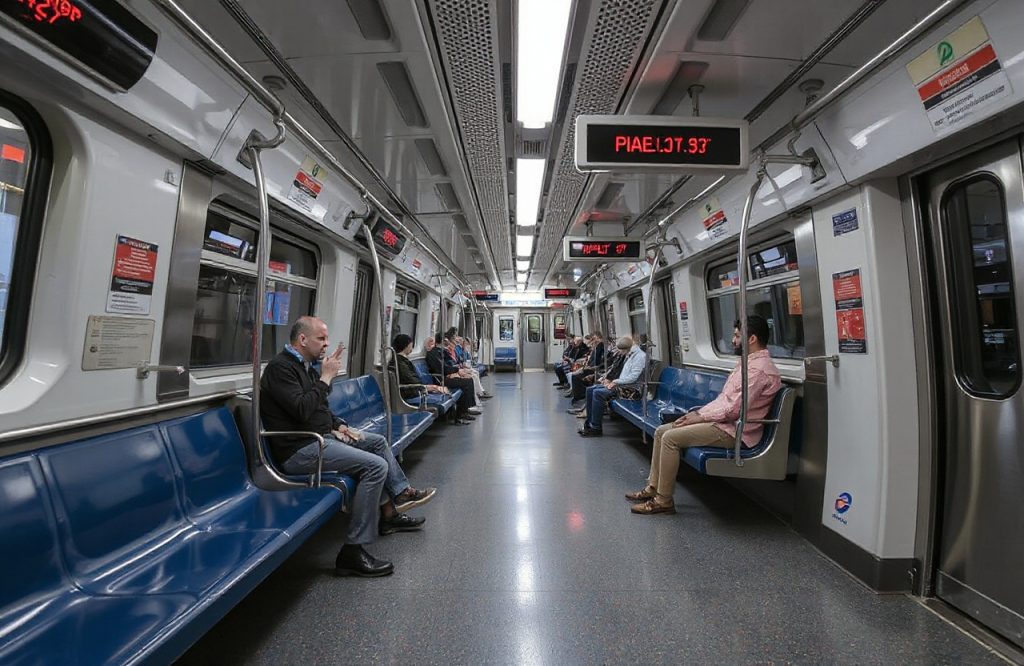
In a study published in the Journal of Otolaryngology – Head and Neck Surgery, researchers Yao and colleagues examined the noise exposure experienced by commuters using the Toronto subway system. Between April and August 2016, the team measured noise levels across various mass transit options in Toronto, including subways, buses, streetcars, private vehicles, cycling, and walking, utilizing a noise dosimeter.
Methodology
The research involved measuring average noise exposure levels and maximum peak noise levels. The dosimeter was attached to a collared shirt and placed two inches from the ear. Measurements were taken on weekdays from 7:00 am to 7:00 pm, both inside vehicles and on subway platforms. The duration for measurements included two minutes on platforms, four minutes onboard subways, and ten minutes for cars, bicycles, or pedestrians. Additional measurements were conducted while cycling and walking through the downtown core.
Findings on Noise Levels
Noise Exposure Measurements
The study captured a total of 210 noise measurements. Results indicated that noise levels in subways and buses exceeded those in streetcars, while biking and walking produced greater exposure than personal vehicles. Notably, subway platform noise levels were higher than those experienced inside the vehicles, a discrepancy not observed in buses and streetcars. Peak noise levels were found to be louder in subway vehicles compared to subway platforms, whereas bus platforms recorded higher peak noise than the buses themselves.
Risk of Noise-Induced Hearing Loss
Although the average noise levels within the Toronto transit system fell within recommended limits, the study authors highlighted that intermittent bursts of impulse noise could pose risks for noise-induced hearing loss. Based on the Environmental Protection Agency’s (EPA) recommended exposure limit of approximately 85 dBA, it was found that noise exposure exceeded these levels in 9% of subway measurements, 12% of bus measurements, and 14% of biking measurements.
Recommendations for Noise Control
Need for Improved Engineering Solutions
This study underscores the significant noise exposure that commuters face daily from mass transit systems. The authors advocate for enhanced noise control engineering methods to mitigate the effects of noise from both personal and public transportation as urban areas continue to expand.
Conclusion
The research conducted by Yao and colleagues emphasizes the importance of monitoring and addressing noise levels in transit systems to protect the hearing health of commuters.
Reference
Yao CMKL, Ma AK, Cushing SL, and Lin VYW. Noise exposure while commuting in Toronto – a study of personal and public transportation in Toronto. Journal of Otolaryngology – Head and Neck Surgery (2017) 46:62. DOI 10.1186/s40463-017-0239-6