Understanding Antioxidants and Their Role in Health
What Are Antioxidants?
Antioxidants comprise a group of small organic molecules that can be produced naturally by the body or obtained through dietary sources. They play a crucial role in mitigating the adverse effects of oxidative stress, which can lead to conditions such as inflammation.
Recent Findings on Chilean Berry Concentrate
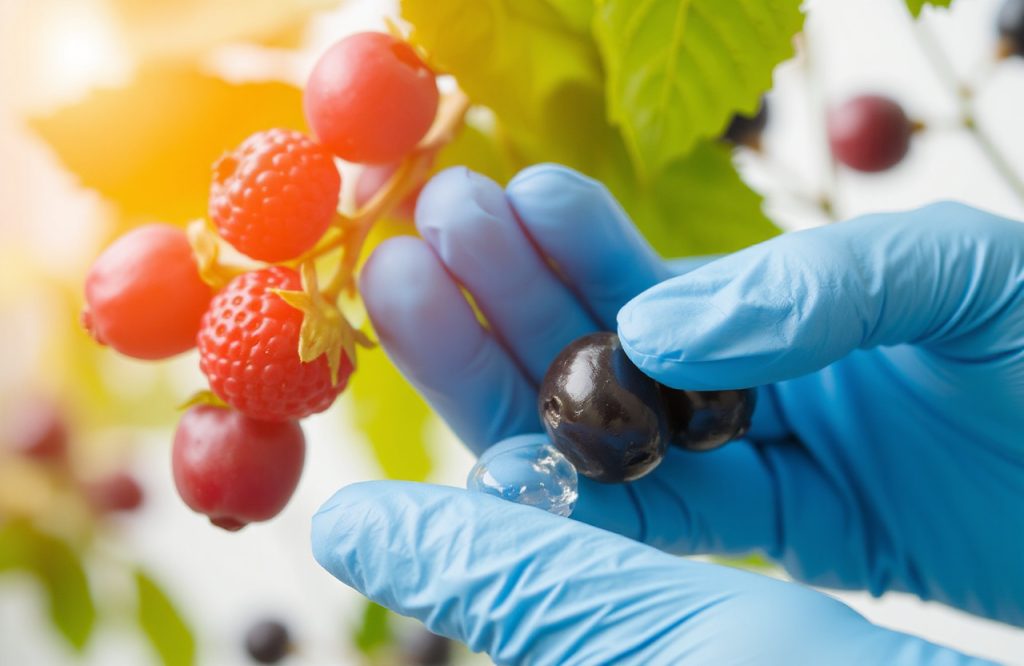
A recent study has highlighted the benefits of consuming an antioxidant-rich concentrate derived from Chilean berries, showing its effectiveness in preventing plasma oxidative stress. While fruits and vegetables are known for their nutritive values, their high antioxidant content is believed to positively influence human health by protecting biological molecules from harmful oxidation.
The Impact of Antioxidant-Rich Diets
Research indicates that diets rich in antioxidants can provide protective effects against oxidative stress and the resulting inflammation. However, much of this research has centered around the consumption of red wine, which poses limitations due to potential excessive intake.
Investigating the Effects of Chilean Berries
Study Overview
To explore the immediate effects of a healthier antioxidant-rich product, a research team from Chile, led by Dr. Leighton, examined the impact of ingesting a Chilean berry concentrate in conjunction with meat consumption. Their study, published in *Oxidative Medicine and Cellular Longevity*, assessed the effects of three distinct meals on plasma oxidative stress in 11 healthy male participants. Each participant consumed all three meals on separate days.
Meal Composition and Testing Methodology
The first meal consisted of an oven-cooked turkey burger paired with water, while the second meal included the same burger with a 5% dilution of the berry concentrate. The third meal featured the burger cooked with the concentrate and offered a 5% dilution of the concentrate as a drink. Blood samples were collected hourly for six hours post-consumption to measure glucose, triacylglycerol (lipids), malondialdehyde (MDA), protein carbonyl levels (both markers of oxidative stress), and vitamin C levels. Additionally, MDA levels in the food were measured before consumption.
Study Results
Findings revealed that MDA levels nearly quadrupled four hours after meals one and two, whereas they remained stable after meal three, with a slight decrease noted for meal two. A concurrent reduction in protein carbonyl levels was observed for meal three. Interestingly, the rise in MDA levels for the first two meals did not result in expected increases in protein carbonyl levels. Furthermore, total plasma antioxidant activity, assessed using the DPPH assay, increased after meal three and to a lesser extent after meal two.
Study Limitations and Future Research
Identified Limitations
Despite the intriguing aspects of this study, it has significant limitations. The inclusion of water as a negative control in meal one raises concerns regarding the influence of other solutes in the concentrate, particularly sugar. Moreover, while the most compelling effects were seen with meal three, the cooking of the meat in the presence of the concentrate significantly reduced MDA levels in the meat prior to ingestion. This suggests that the effects on oxidative stress might be more directly linked to the MDA levels in food rather than solely from co-ingestion of the diluted concentrate.
Need for Further Investigation
Given these findings, further research involving larger participant groups is essential to thoroughly evaluate the specific effects of this antioxidant-rich concentrate on oxidative stress.
Conclusion
The study underscores the potential health benefits of antioxidant-rich diets, particularly those incorporating natural sources like Chilean berries. However, additional research is needed to confirm these findings and better understand the mechanisms at play.