Understanding High Blood Pressure and Its Monitoring
Overview of High Blood Pressure
High blood pressure, also known as hypertension, is a prevalent health concern characterized by excessive pressure in the body’s blood vessels. While it is commonly associated with older adults, individuals of any age can be affected.
The Importance of Monitoring Blood Pressure
Monitoring blood pressure is crucial, especially for those diagnosed with hypertension. Most individuals will conduct this monitoring at home, making it essential to select an accurate device that fits their lifestyle.
Benefits of Home Monitoring
1. **Adherence to Treatment Plans**: Research indicates that home monitoring is an effective practice. It not only enables more frequent blood pressure measurements but also serves as a reminder for individuals with hypertension to stick to their treatment plans.
2. **Reduction of Misleading Readings**: Home monitoring can alleviate the effects of “white coat hypertension,” a phenomenon where individuals experience elevated blood pressure readings due to anxiety in healthcare settings.
3. **Enhanced Accuracy**: Blood pressure fluctuates throughout the day, and regular measurements from home can provide a more comprehensive view of an individual’s overall blood pressure.
Overall, self-monitoring has been shown to reduce both systolic and diastolic blood pressure, making it a vital tool in managing hypertension.
Tips for Self-Measuring Blood Pressure
– Avoid smoking or consuming caffeine 30 minutes prior to measurement.
– Rest quietly for five minutes before taking the reading.
– Sit with your feet flat on the floor and support your back and arm, keeping your arm at heart level.
– Apply the blood pressure cuff to a bare arm.
– Measure twice in the morning and twice in the evening for a week before your doctor’s appointment.
– Maintain a log of your readings.
– Remain silent during the measurement.
Selecting a Home Blood Pressure Monitor
When choosing a blood pressure monitor, the first decision is between an arm-cuff and a wrist-cuff model. Arm-cuff monitors generally offer greater accuracy, while wrist-cuff models provide portability and comfort.
Considerations for Selection
Once you have determined the type of monitor, consider your budget and assess various models for fit and ease of use. Additional features to evaluate include:
– Irregular heartbeat detector
– Risk-category indicator
– Multiple user memories
– Multiple cuffs
– Memory download capability
– Large-digit display
– Data averaging function
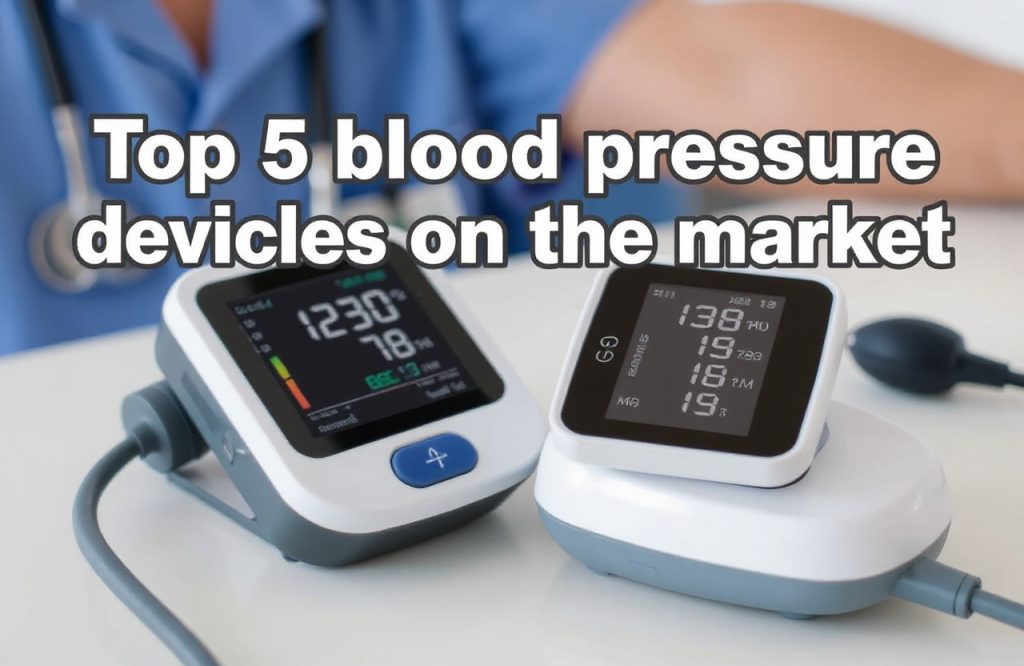
Top Blood Pressure Devices on the Market
1. **Omron 10 Series Wireless Upper Arm Blood Pressure Monitor**: Tracks up to 200 readings for two users, features a smartphone app, and has an easy-to-read backlit screen with large digits.
2. **Care Touch Fully Automatic Wrist Blood Pressure Monitor**: Boasts a large LCD display with backlight, an irregular heartbeat indicator, and memory storage for the last 60 readings.
3. **Paramed Upper Arm Blood Pressure Monitor**: Features a large LCD display with oversized numbers, self-checking cuff positioning, and a voice broadcasting option.
4. **Greater Goods Blood Pressure Monitor**: Equipped with a large, backlit LCD display, alerts for irregular heartbeat, and includes a travel case.
5. **Proven Wrist Blood Pressure Monitor**: Displays systolic and diastolic readings along with heart rate, recalls the last 60 readings, and is easily portable.
Conclusion
Monitoring blood pressure at home is a significant step in managing hypertension effectively. Choosing the right device tailored to individual needs can enhance the accuracy of readings and contribute to better health outcomes.
References
– https://hypertension.ca/hypertension-and-you/managing-hypertension/measuring-blood-pressure/
– https://hypertension.ca/hypertension-and-you/managing-hypertension/measuring-blood-pressure/devices/
– https://www.consumerreports.org/cro/blood-pressure-monitors/buying-guide/index.htm