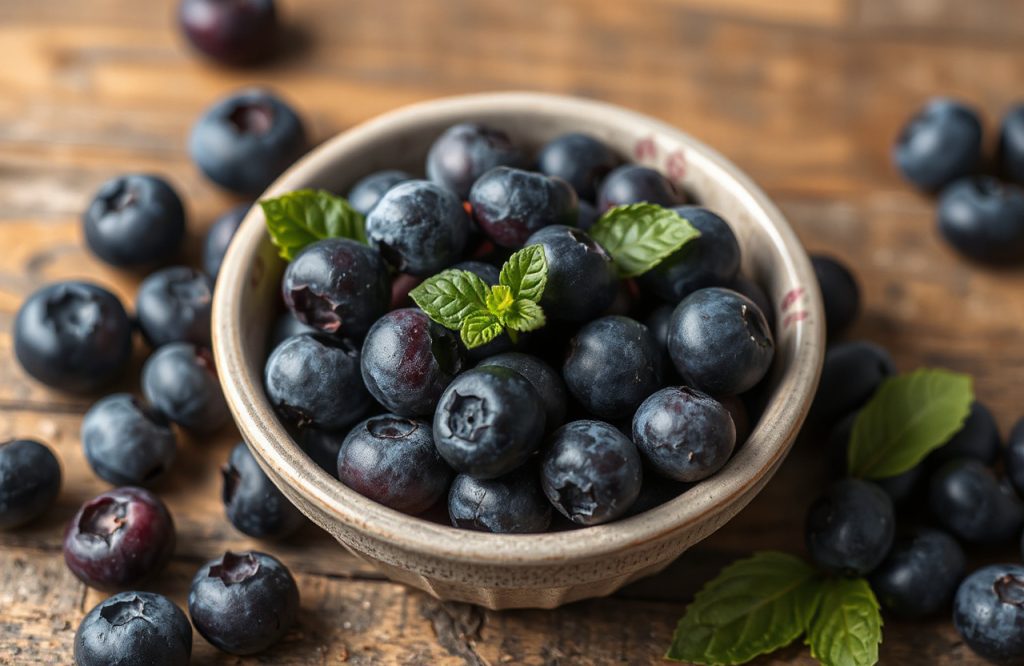
Investigating the Impact of Blueberries on Gut Health and Obesity
Study Overview
A recent study assesses the potential of blueberries to enhance gut health and alleviate obesity symptoms by counteracting the effects of a high-fat diet in rats. The human body experiences various changes in response to high-fat diets, which, along with environmental and genetic factors, can lead to obesity. Increased fat tissue is linked to a chronic state of inflammation that begins in the gut.
High-Fat Diet Effects
A high-fat diet diminishes the expression of proteins that protect the gut, compromising its barrier integrity. The gut microbiome plays a crucial role in metabolism and immune function. When gut permeability is impaired due to a high-fat diet, the microbiota becomes vulnerable to changes. This combination of impaired permeability and altered microbiome facilitates the translocation of bacterial pro-inflammatory factors into the bloodstream, triggering an inflammatory response. Factors such as LPS, a pro-inflammatory component, can lead to weight gain, fat tissue inflammation, and insulin resistance. Consequently, a high-fat diet not only contributes to obesity but also undermines gut barrier integrity and induces inflammation, further exacerbating weight gain and insulin resistance.
Health Benefits of Blueberries
Nutritional Composition
Blueberries are rich in anthocyanins, antioxidants, and anti-inflammatory compounds that support overall health and help prevent diseases. Previous research has shown that incorporating whole blueberries into the diet can lower the expression of genes associated with inflammation and reduce body weight in male mice on a high-fat diet.
Impact on Gut Microbiome
High concentrations of anthocyanins, the pigments responsible for blueberries’ vibrant color, are found in the intestine where they interact with and are metabolized by gut microorganisms. This interaction allows blueberries to modify the gut microbiome composition. Additionally, studies have indicated that blueberries enhance insulin sensitivity in humans. Given the anti-inflammatory properties of anthocyanins and their potential to reshape the gut microbiome, researchers aimed to explore blueberry supplementation effects in rats consuming a high-fat diet to reduce systemic inflammation and improve insulin sensitivity.
Research Methodology
Experimental Design
The study, published in The Journal of Nutrition, involved feeding rats three different diets: low-fat, high-fat, and high-fat with 10% blueberry powder. The primary aim was to determine if dietary blueberry supplementation could restore health in rats consuming a high-fat diet.
Findings on Microbiota
Unique Microbiota Profile
The results revealed that rats on a high-fat diet supplemented with blueberries exhibited a unique gut microbiota profile, distinct from those on low-fat and high-fat diets without blueberries. Notably, blueberry supplementation significantly increased levels of proteobacteria, a bacterial species linked to metabolic health. This shift in gut microbiota led to various downstream effects that enhanced the overall health of rats on a high-fat diet.
Effects on Gut Epithelial Integrity and Inflammation
Improved Gut Barrier Function
The microbiota profile of rats receiving blueberry supplementation correlated with increased intestinal villi height, which is vital for nutrient absorption, as well as a rise in goblet cell numbers that protect the gut epithelial barrier by secreting mucus. The changes in gut microbiota due to blueberry supplementation were associated with enhanced gut epithelial barrier integrity compared to rats on a high-fat diet without supplementation. This integrity prevents bacterial inflammatory compounds, such as LPS, from crossing the barrier and entering circulation, thus mitigating systemic inflammation. As a result, blueberry supplementation restored inflammation levels to those typically observed in rats on a low-fat diet.
Impact on Insulin Sensitivity
Reversal of Insulin Resistance
Obesity linked to a high-fat diet can result in insulin resistance, which leads to inefficient energy use by cells and may progress to type 2 diabetes, a significant health concern in developed nations. Rats on a high-fat diet with blueberry supplementation exhibited lower blood insulin levels and required less insulin for glucose clearance compared to those on a high-fat diet alone. The study also found that high-fat diets elevated IRS1 expression, a biomarker for insulin resistance, while blueberry supplementation normalized IRS1 levels. Additionally, GLP1, a gene that enhances insulin secretion and sensitivity, was downregulated by a high-fat diet but restored to normal levels with blueberry supplementation. This data suggests that blueberry supplementation may reverse or prevent insulin resistance associated with high-fat diets in rats.
Conclusion
Study Implications
This study highlights that several adverse health effects related to obesity, including compromised gut barrier integrity, chronic inflammation, and insulin resistance, can be improved through dietary blueberry supplementation by modulating the gut microbiota in rats. Despite physiological and microbiota differences between rats and humans, these findings offer promising evidence for the potential of dietary blueberry supplementation to enhance gut health and mitigate obesity effects associated with high-fat diets.
Reference
Lee, S., Keirsey, K.I., Kirkland, R., Grunewald, Z.I., Fischer, J.G., & de La Serre, C.B. (2018). Blueberry Supplementation Influences the Gut Microbiota, Inflammation, and Insulin Resistance in High-Fat-Diet-Fed Rats. J Nutr. 148, 209–219.