Study Links Vitamins and Carotenoids to Cataracts
Overview of Cataracts and Their Impact
A recent study published in the American Journal of Clinical Nutrition explored the relationship between vitamins, carotenoids, and age-related cataracts. These cataracts account for approximately 35% of global blindness. To restore vision, many individuals undergo cataract extraction surgery, which is projected to cost over $5.7 billion between 2010 and 2020. Given the significant impact of cataracts, researchers aimed to identify nutritional risk factors that contribute to their development, with hopes of delaying their onset and reducing both surgery costs and the number of affected individuals.
Research Methodology
The researchers conducted a comprehensive review of previously published randomized trials to assess the link between dietary nutrients and age-related cataracts. They analyzed a total of 13,645 articles and identified only 20 that met the criteria for further review, consisting of eight randomized trials and 12 cohort studies. Among these studies, five were conducted in North America, two in Finland, and one in Australia, with all participants being over the age of 40.
Findings on Nutrient Intake
The review examined six trials focusing on vitamin E supplements and four trials that compared the effects of beta-carotene against a placebo. Participants completed food frequency questionnaires to assess their nutrient intake. The findings indicated that increasing the consumption of specific vitamins and nutrients could potentially lower the risk of developing age-related cataracts.
Limitations of the Study
Despite the promising results, the study faced several limitations. Notably, participants who reported higher vitamin intakes tended to engage in healthier lifestyle behaviors. This factor may influence the results and complicate the interpretation of the data.
Conclusion and Future Directions
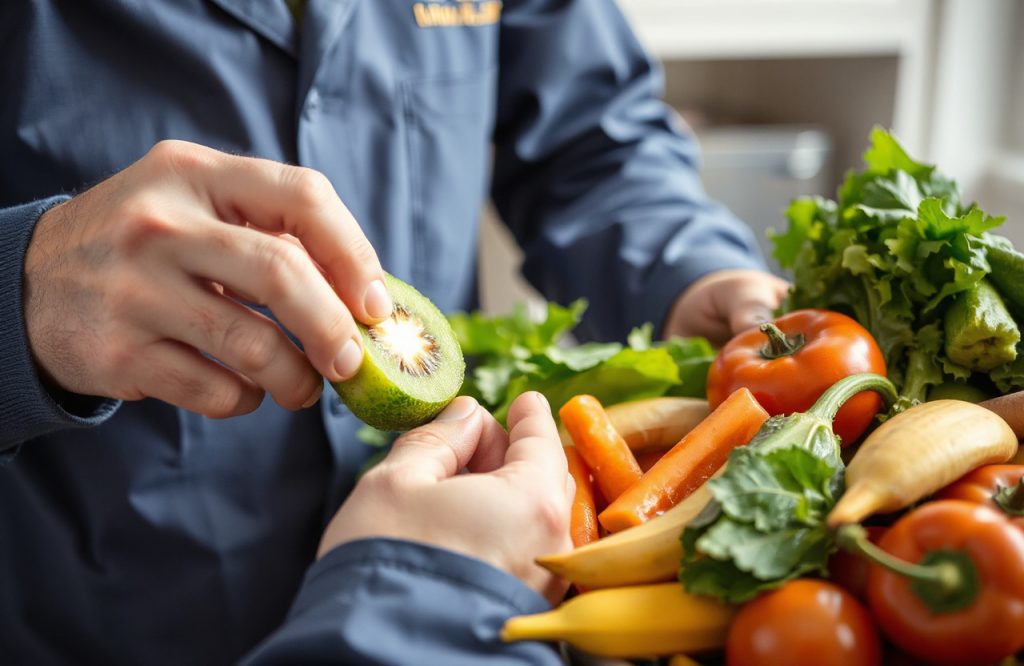
While inconsistencies existed among the studies, the overall findings support the benefits of consuming fruits, dark green vegetables, capsicum, carrots, and tomatoes to help delay the onset of age-related cataracts. This research lays the groundwork for future investigations into the relationship between cataracts and nutrient intake.
Reference
Jiang, H., Yin, Y., Wu, C.R., Liu, Y., Guo, F., Li, M., Ma, L. (2019). Dietary vitamin and carotenoid intake and risk of age-related cataract. American Journal of Clinical Nutrition. Retrieved from doi: 10.1093/ajcn/nqy270.
Disclaimer
The article contains sponsored links to other sites for convenience and informational purposes. The editorial staff of the Medical News Bulletin did not prepare or endorse these linked contents and is not responsible for their accuracy. The views expressed in the sponsored links are of the advertisers and do not reflect those of the Medical News Bulletin. The publication does not accept liability for any loss or damages from the use of products or services linked in these sponsored materials.