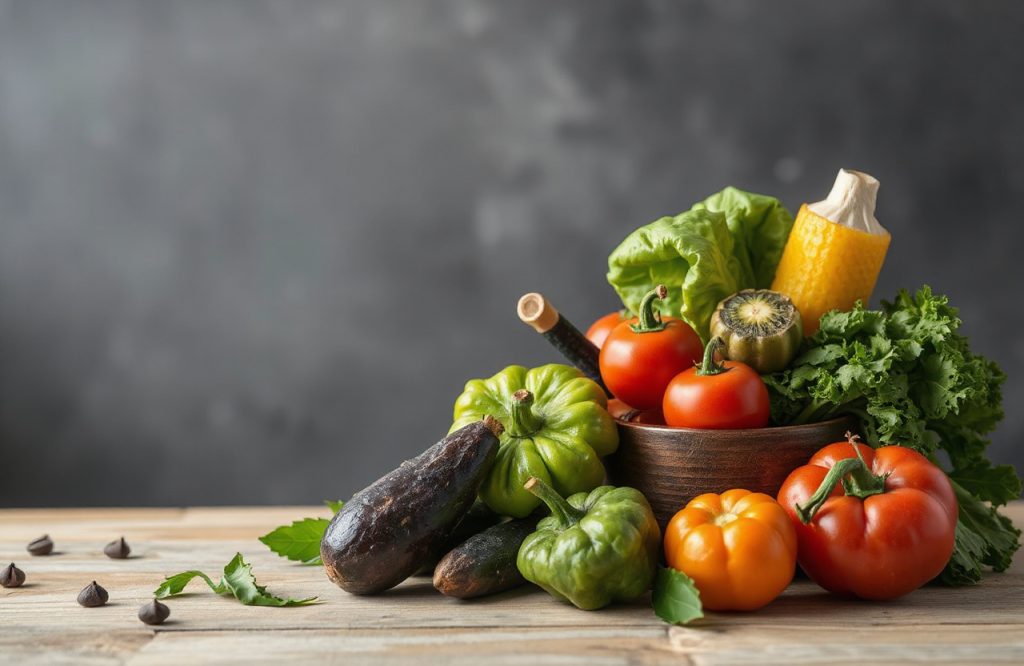
Impact of Nitrate-Rich Vegetables on Cardiovascular Health
Study Findings
A recent study indicates that consuming nitrate-rich vegetables, such as beets and leafy greens, may lower the risk of heart attacks and strokes. The medical community widely recognizes vegetables as a vital component of a healthy diet, supported by research linking vegetable-rich diets to enhanced cardiovascular health.
Atherosclerosis and Its Risks
Atherosclerotic vascular disease (ASVD), commonly known as atherosclerosis, is a leading cause of mortality in modern populations. Early warning signs include elevated cholesterol levels, arterial plaque formation, and endothelial dysfunction, which refers to the blood vessels’ inability to appropriately manage vasodilation and vasoconstriction. These issues can impede blood flow in arteries and potentially result in fatal heart attacks and strokes. Given the prevalence of atherosclerosis today, there is an urgent need to devise strategies to prevent the disease from progressing to lethal conditions.
The Role of Nitric Oxide
Nitric oxide (NO) plays a crucial role in stimulating vasodilation; however, the cellular pathways responsible for generating NO deteriorate as atherosclerosis advances. Vegetables serve a cardioprotective function in this context, as many are rich in nitrates, which the body can utilize to produce NO. This additional NO enhances endothelial function and reduces blood pressure by reinstating the mechanisms that facilitate blood vessel dilation.
Research from the University of Western Australia
Despite the beneficial effects of additional NO, it remained uncertain whether it was enough to prevent mortality linked to atherosclerosis. Researchers from the University of Western Australia investigated this matter and found that a diet abundant in high-nitrate vegetables correlates inversely with mortality related to atherosclerosis. Their findings were published in the American Journal of Clinical Nutrition earlier this year.
Study Methodology
The study tracked the dietary patterns of 1,226 Australian women over a span of 15 years, examining the relationship between their diets and occurrences of atherosclerosis-related deaths. Causes of death in this category included ischemic heart disease, heart failure, and cerebrovascular disease. At the study’s outset, all participants were aged between 70 and 85 and had no signs of atherosclerosis. Researchers assessed dietary habits through self-administered food-frequency questionnaires, analyzing the nutritional content with the NUTTAB95 food nutrient database. They calculated the nitrate intake by multiplying the daily vegetable weight consumed by the median nitrate value for each vegetable.
Results and Conclusions
By the end of the study, 238 of the 1,226 women (19.4%) had died from atherosclerosis-related diseases. Even after adjusting for other factors influencing atherosclerosis-related mortality, such as lifestyle habits, fitness levels, and individual health histories, the study revealed that the consumption of nitrate-rich vegetables was inversely related to atherosclerosis-related death rates and associated with a lower overall mortality rate.
This study highlights the potential connection between vegetable-derived nitrate content and cardiovascular mortality. Future research could explore whether increasing the intake of nitrate-rich vegetables may contribute to longer lifespans for individuals at risk of cardiovascular events related to atherosclerosis.
Author Information
Written By: Irina Sementchoukova, B.Sc