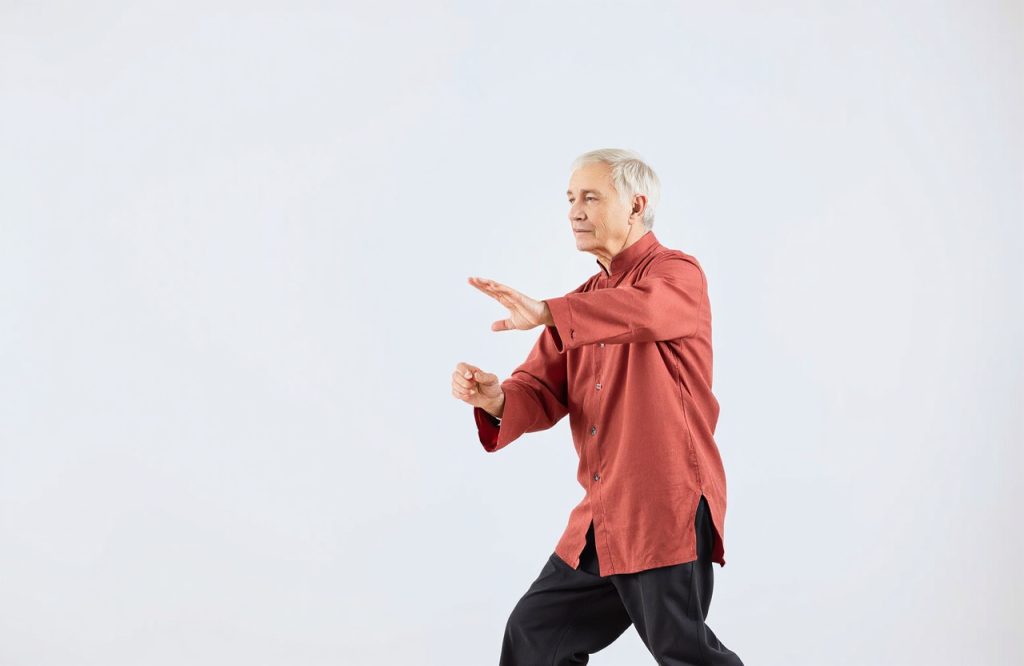
Effects of Tai Chi on Cognitive Functions in Older Adults
Introduction to the Aging Population and Cognitive Health
Recent research has focused on the impact of tai chi classes on cognitive functions and daily living activities among older adults experiencing mild cognitive impairment (MCI). As the global population of older adults continues to rise, the prevalence of conditions like dementia is also increasing. Currently, there are approximately 7.7 million new dementia cases each year, with around 47.5 million individuals living with this condition.
Understanding Mild Cognitive Impairment
Mild cognitive impairment is characterized by a noticeable decline in thinking and memory skills, placing individuals at a greater risk of developing dementia or Alzheimer’s disease. This condition can hinder older adults’ ability to perform everyday tasks, such as laundry and transportation.
The Aging Population in Hong Kong
In Hong Kong, the aging population is growing due to a decrease in fertility rates and increased life expectancies. Research indicates that aerobic exercises, including tai chi, offer several health benefits, such as enhancing blood circulation in the brain and slowing the natural decline of brain cells.
Research Study on Tai Chi and Cognitive Improvement
Study Design and Participants
Chinese researchers conducted a study involving 160 older adults recruited from four community centers in Hong Kong to investigate the effects of tai chi on cognition and daily living activities. Participants were divided into two groups: one group participated in one-hour tai chi sessions for 16 weeks, while the other group did not engage in any tai chi classes. The findings were published in BMC Geriatrics.
Results of the Study
After adjusting for factors such as age, education, marital status, and living conditions, the results indicated that older adults who participated in tai chi lessons performed better on assessments measuring their cognitive abilities and daily living activities.
Limitations of the Study
It is crucial to recognize the limitations of this study. The researchers cannot definitively claim that these findings apply to all older populations in Hong Kong or in other countries. Additionally, the study was not blinded, which means participants were aware of their assignment to either the tai chi or control group. This awareness may have influenced the outcomes, as those interested in tai chi might have experienced greater benefits.
Conclusion and Future Research
The results suggest that tai chi may serve as a culturally relevant mind-body therapy for older adults with mild cognitive impairment, showing effectiveness in enhancing cognitive function and daily living activities. Further research is necessary to explore the long-term effects of tai chi on cognitive health among the aging population on a broader scale.
References
Siu, M., & Lee, D. T. F. (2018). Effects of tai chi on cognition and instrumental activities of daily living in community dwelling older people with mild cognitive impairment, 1–10. https://doi.org/10.1186/s12877-018-0720-8