Understanding Fasting Blood Glucose Tests and Lifestyle Changes
Pre-Diabetes: A Chance for Change
Receiving your fasting blood glucose test results and hearing from your doctor that lifestyle changes are necessary can be daunting. However, if you have pre-diabetes, consider it an opportunity to reverse the progression towards type II diabetes. Making healthier snack choices, such as substituting processed sweets with blood sugar-friendly options, can help manage glucose levels effectively.
The Role of Dragon Fruit in Managing Blood Sugar
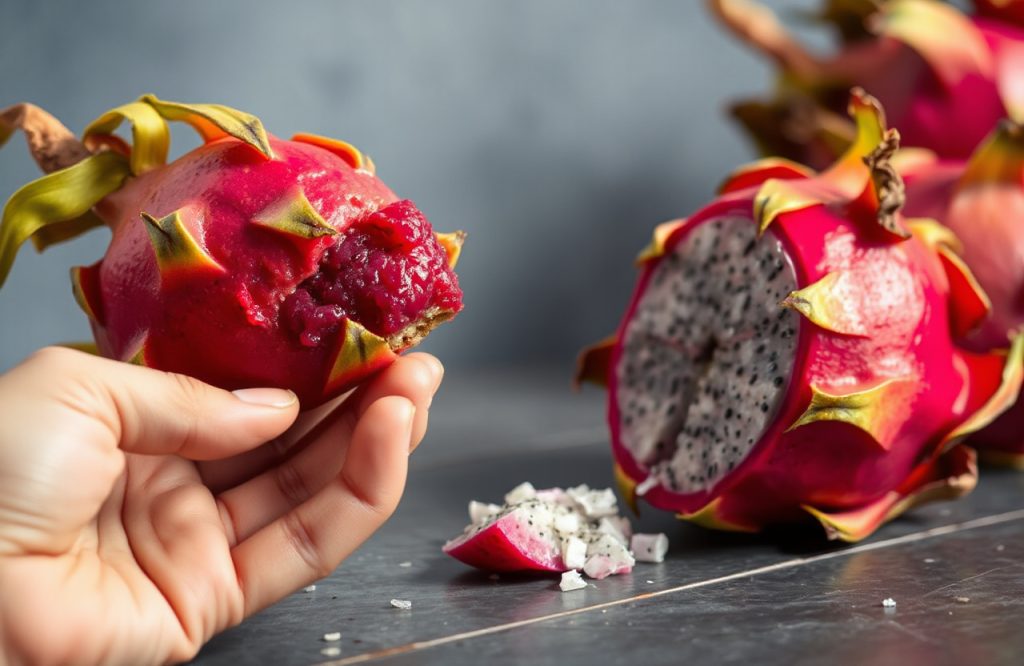
One such beneficial food is dragon fruit, also known as pitaya. This tropical fruit is believed to help prevent blood sugar spikes after meals. To understand its benefits better, let’s explore the scientific evidence surrounding dragon fruit.
Important Note
If you have been diagnosed with type I or type II diabetes, do not attempt to replace your medication with dragon fruit. It is essential to discuss any dietary changes with your healthcare provider.
Key Points About Dragon Fruit
Nutritional Benefits
Dragon fruit is rich in phytonutrients, including betacyanin, vitamin C, and lycopene. Research has begun to explore its potential benefits for managing fasting blood sugar levels in pre-diabetic individuals.
Antioxidant Properties
This fruit is packed with antioxidants and phytonutrients. Studies have investigated its safety and effectiveness for individuals with diabetes.
What is Pre-Diabetes and FPG?
Defining Pre-Diabetes and Diabetes Diagnosis
Prediabetes and type 2 diabetes are identified through blood sugar level assessments. A fasting plasma glucose (FPG) test measures blood sugar levels after fasting for approximately eight hours. Alternatively, the two-hour post-prandial glucose (2HPP) test evaluates blood sugar two hours after consuming a standardized glucose sample.
Understanding Test Results
The results from these tests are compared to established standards to determine a diagnosis and outline a treatment plan. Prediabetes indicates elevated blood sugar levels that do not meet the criteria for type 2 diabetes. Effective management includes a healthy diet, regular physical activity, weight control, medications, and natural health products.
Exploring the Benefits of Dragon Fruit
Nutritional Composition
Dragon fruit is notable for its high phytonutrient content, particularly betacyanin, vitamin C, and lycopene. Researchers have increasingly focused on its potential anti-cancer, cholesterol-lowering, and anti-diabetic properties. Notably, red-fleshed dragon fruit contains more antioxidants compared to its white-fleshed counterpart.
Research on Dragon Fruit and Diabetes
A systematic review published in PLoS evaluated the impact of dragon fruit on diabetes management, particularly in pre-diabetes and type 2 diabetes. The analysis included data from four randomized controlled trials, all of which featured a control group. The key outcomes measured were fasting plasma glucose (FPG) and two-hour post-prandial glucose (2HPP) levels, excluding patients with other diseases.
The findings revealed a significant reduction in fasting plasma glucose levels among pre-diabetic patients consuming dragon fruit. Although there was a decrease in FPG for patients with type 2 diabetes, it was not statistically significant. Overall, the results from studies on dragon fruit and diabetes management remain inconclusive.
Need for Further Research
While dragon fruit has demonstrated potential benefits in preliminary studies, further clinical trials are necessary to determine its effectiveness in diabetes management. Current studies often involve small sample sizes and short treatment durations, with long-term safety remaining unassessed.
References
1. Joshi M, Prabhakar B. Phytoconstituents and pharmaco-therapeutic benefits of pitaya: A wonder fruit. J Food Biochem. 2020 Jul;44(7):e13260. doi: 10.1111/jfbc.13260. Epub 2020 May 7. PMID: 32378233.
2. Poolsup N, Suksomboon N, Paw NJ. Effect of dragon fruit on glycemic control in prediabetes and type 2 diabetes: A systematic review and meta-analysis. PLOS ONE. https://doi.org/10.1371/journal.pone.0184577