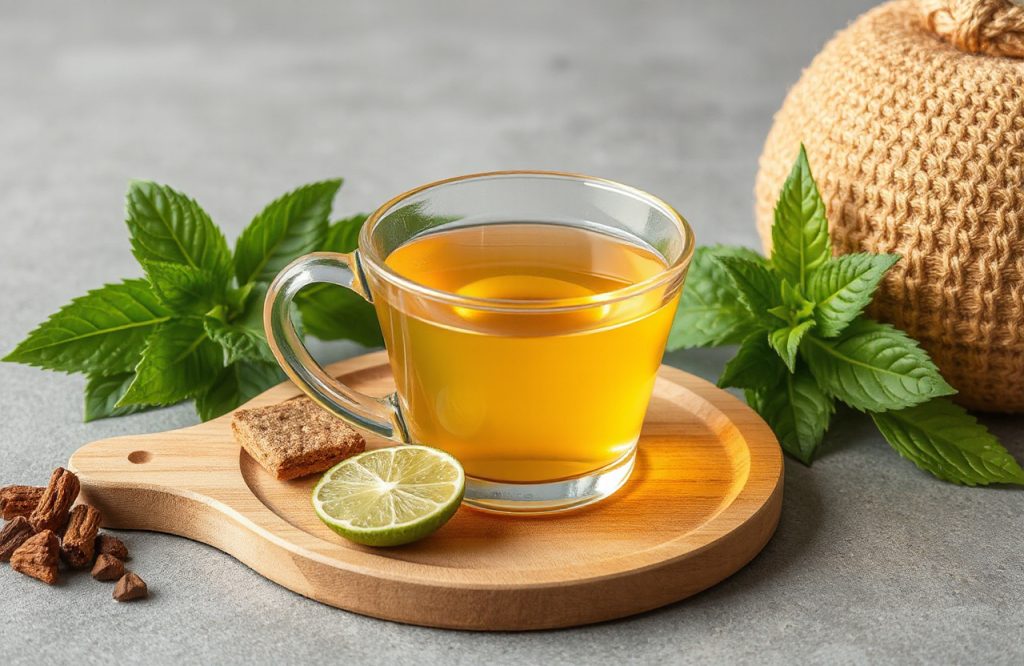
Impact of Tea Consumption on HDL Cholesterol in Older Adults
Understanding Cholesterol Types
Research has indicated that the benefits of tea consumption may influence levels of high-density lipoprotein (HDL) cholesterol in older adults. Cholesterol is categorized into two main types: HDL, often termed “good” cholesterol, and low-density lipoprotein (LDL), referred to as “bad” cholesterol. As individuals age, there is a natural decline in HDL cholesterol levels, which can increase the risk of high cholesterol and subsequently, cardiovascular diseases.
Cardiovascular Disease Statistics
Cardiovascular disease stands as the leading cause of morbidity and mortality globally. In 2016 alone, it accounted for over 17 million deaths, and these figures continue to rise each year.
Study Overview
Research Methodology
A recent study published in the Journal of the American Heart Association (JAHA) examined the relationship between tea consumption and HDL cholesterol levels. The study followed 80,182 men and women aged 49 and older from the Kailuan community in Tangshan, China, over a period of six years. Participants completed questionnaires, physical examinations, and laboratory tests at multiple intervals throughout the study.
Tea Consumption Assessment
Participants were asked to indicate their tea consumption frequency, choosing from options such as “never,” “less than once a month,” “one to three times a month,” “one to three times a week,” and “four or more times a week.” Researchers gathered various demographic details, including age, gender, socioeconomic status, education level, and medical history. Measurements of body mass index (BMI), height, waist circumference, and blood pressure were also recorded, alongside lifestyle factors like smoking, alcohol consumption, physical activity, and daily salt intake.
Key Findings
Effects of Tea on HDL Cholesterol
The findings indicated that tea consumption, particularly green tea, was effective in mitigating the natural decline in HDL cholesterol levels. This effect was particularly pronounced among participants who consumed tea frequently and was most notable in men and those with less healthy lifestyles. These results suggest that drinking tea may contribute to maintaining healthier cholesterol levels, potentially reducing the risk of cardiovascular disease.
Study Limitations
While the study presents valuable insights, it also has limitations. Researchers did not monitor tea consumption in person and could not assess the effects of drinking more than one cup of tea daily. Additionally, the analysis did not include coffee, fruit, vegetable, whole grain, nut, or meat intakes, thereby limiting the evaluation of overall dietary patterns. The participant pool was also primarily male and drawn from a single community. Despite these constraints, the large sample size and long follow-up period enhance the study’s significance.
Future Research Directions
The authors emphasize the need for further research to explore the benefits of tea consumption, particularly regarding its impact on HDL cholesterol levels. Expanding the participant demographic would provide more comprehensive insights into this topic.
Conclusion
In conclusion, the study highlights the potential advantages of regular tea drinking in promoting heart health as individuals age. Ongoing research is essential to confirm these findings and broaden our understanding of the relationship between tea and cholesterol levels.
References
Huang, Shue, MS. et al. “Tea Consumption and Longitudinal Change in High-Density Lipoprotein Cholesterol Concentration in Chinese Adults.” JAHA. 2018. 1-10. Online.
Regular Tea Drinking Might Help Your Heart As You Age, Study Suggests. 2018. https://news.heart.org/regular-tea-drinking-might-help-your-heart-as-you-age-study-suggests/, assessed 27 June. 2018.