Effects of Daily Almond Snacking on Cardiovascular Risk Factors
Introduction to Cardiovascular Diseases
Cardiovascular diseases (CVD) rank as the leading cause of death globally. Key risk factors for CVD include high blood pressure, diabetes, elevated blood lipid levels, and abdominal obesity. To mitigate these risk factors, dietary guidelines recommend a balanced diet, regular physical activity, reduced intake of salt, sugars, and saturated fats, as well as avoiding tobacco and excessive alcohol consumption.
Almonds and Cardiovascular Health
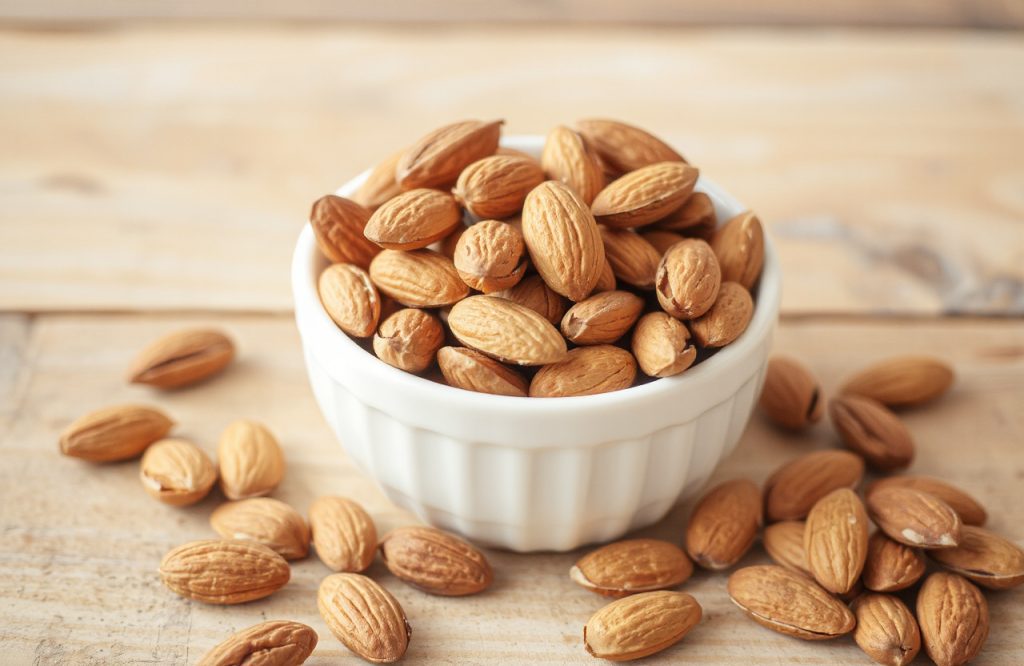
Numerous studies indicate that daily snacking on whole almonds can lower blood LDL cholesterol without contributing to weight gain, thereby potentially decreasing the risk of cardiovascular diseases. Experts in nutrition frequently advocate for the inclusion of almonds in diets due to their high content of protein, dietary fiber, unsaturated fatty acids, and essential micronutrients.
Study Overview
A recent study published in The American Journal of Clinical Nutrition explored the impact of daily almond consumption on endothelial function and liver fat. The researchers posited that whole almonds would enhance endothelial function while reducing liver fat.
Understanding Endothelial Function
The endothelium is a delicate layer of cells that lines blood vessels, playing a crucial role in regulating vascular tone—the balance between constriction and dilation. Impaired endothelial function is linked to atherosclerosis and is characterized by heightened oxidative stress and chronic inflammation, often associated with obesity and increased liver fat.
Study Methodology
The study involved men and women aged 30 to 70 years, identified as high-risk for cardiovascular diseases, recruited from London and nearby areas between March 2017 and January 2019. Participants were randomly divided into two groups for a six-week duration. One group consumed whole roasted almonds, while the control group received mini-muffins. Prior to the intervention, all participants consumed the control snacks for two weeks. The researchers evaluated endothelial function and liver fat at both the beginning and conclusion of the trial.
Results of the Study
The findings revealed that almond consumption led to an approximate four percent increase in endothelium-dependent vasodilation compared to the control snacks. However, no significant differences in liver fat levels were observed between the two groups, indicating that almonds, despite being high in fat, do not affect liver fat levels. Additionally, participants who consumed almonds exhibited a decrease in blood LDL cholesterol levels compared to the control group. Furthermore, an increase in long-phase heart rate variability during sleep was noted in the almond group, suggesting better parasympathetic regulation at night.
Conclusion and Implications
The study’s findings imply that substituting typical snacks with almonds can positively influence cardiovascular health by enhancing endothelial function and lowering blood LDL cholesterol. Researchers estimate that almond consumption could reduce the risk of cardiovascular diseases by up to thirty percent, highlighting its potential role in improving cardiovascular health.
Reference
Dikariyanto V, Smith L, Francis L et al. (2020). Snacking on whole almonds for 6 weeks improves endothelial function and lowers LDL cholesterol but does not affect liver fat and other cardiometabolic risk factors in healthy adults: the ATTIC study, a randomized controlled trial. The American Journal of Clinical Nutrition. doi: 10.1093/ajcn/nqaa100.
Written by Ranjani Sabarinathan, MSc.