Exploring Natural Flu Treatments: The Potential of Elderberry
Understanding the Flu
The flu, or influenza, is an upper respiratory infection classified into three types: influenza A, influenza B, and influenza C. Influenza A and B are the primary causes of seasonal flu, while influenza C is relatively uncommon. Although both the flu and the common cold are caused by upper respiratory viruses, their symptoms differ significantly. Flu symptoms tend to be more severe, manifesting as sudden fever, headaches, fatigue, muscle weakness, runny or stuffy nose, sore throat, and cough. In contrast, cold symptoms usually lack fever and predominantly include a stuffy nose, sore throat, and sneezing. While the flu can last from a week to ten days, cold symptoms typically resolve within a few days.
Transmission and Prevention of the Flu
The flu virus spreads from person to person through direct contact and airborne droplets produced by sneezing or coughing. Transmission can also occur via contaminated surfaces, such as doorknobs, handrails, or payment kiosks.
To minimize the spread of the flu, consider implementing the following best practices:
– Wash hands frequently with soap and water, especially after contact with saliva droplets or mucus from the mouth, nose, or eyes. If soap and water are unavailable, use an alcohol-based hand sanitizer.
– Wear personal protective equipment, such as masks, in public settings to safeguard yourself and others.
– Regularly disinfect commonly touched surfaces at home.
– Remain at home if experiencing flu-like symptoms.
Flu Symptoms Relief and Treatment
Flu symptoms can be alleviated through:
– Rest
– Increased fluid intake
– Over-the-counter medications to reduce fever or aches, such as acetaminophen or ibuprofen
Vaccination and Antiviral Options
The flu vaccine is considered the primary prevention method against influenza. Typically recommended between October and mid-November, the vaccine contains inactivated virus strains from the previous year along with potential strains for the current season. While the vaccine cannot cause the flu, it stimulates the body to prepare for a potential infection. It is especially recommended for high-risk individuals, including those with chronic illnesses, the elderly, and healthcare professionals.
Antiviral medications, such as Oseltamivir (Tamiflu®) and Zanamivir (Relenza®), can be effective in preventing and treating the flu virus when the vaccine fails to cover a specific strain. However, concerns about antiviral drug resistance have emerged due to the flu virus’s evolving nature. A 2011 study indicated instances of resistance to Tamiflu® and Relenza®, with some patients potentially becoming resistant to Tamiflu®, which may be linked to pneumonia. Resistance to Relenza® has been reported infrequently.
Natural Treatments for the Flu
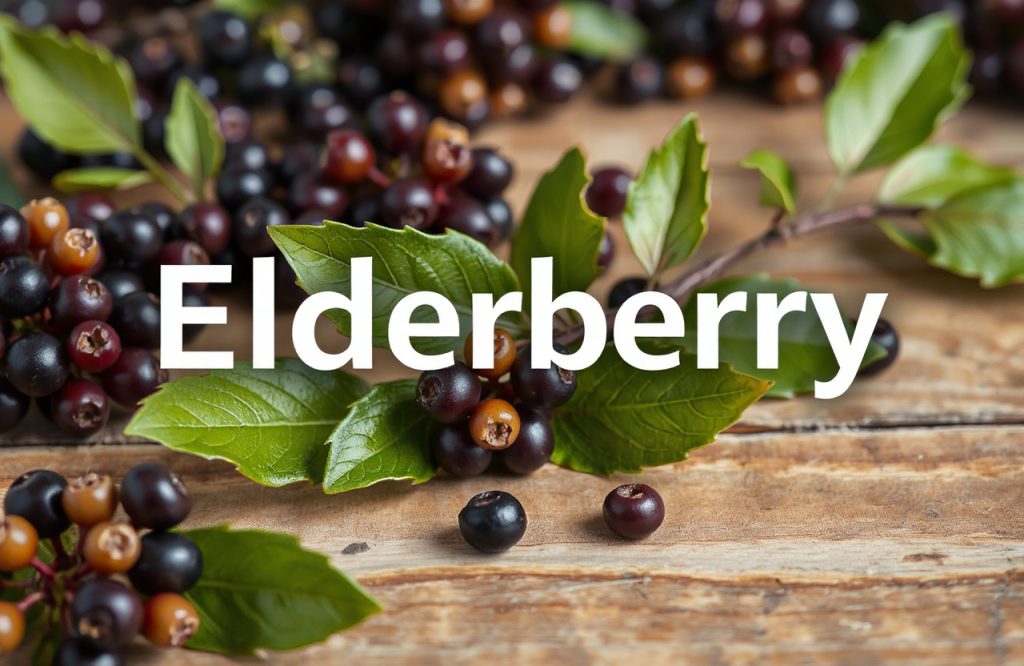
With the ongoing search for natural flu remedies, elderberry (Sambucus nigra L.) has gained attention for its potential immune-boosting properties. While its exact action against the flu virus remains unclear, pharmacological studies have identified phenolic compounds in elderberries that may enhance immune function and have direct effects on the flu virus. Elderberry extract is available as syrups and capsules, with no significant side effects reported by users.
Research Studies on Elderberry
A 2004 study assessed the effectiveness and tolerability of elderberry syrup in treating influenza A and B in humans. In this study, 60 participants aged 18 to 54, experiencing flu-like symptoms, received either 15 milliliters of elderberry syrup or a placebo four times daily for five days. Participants could also take other medications to alleviate fever and aches. Those treated with elderberry reported symptom improvement three to four days earlier than those receiving the placebo.
A 2011 study further explored elderberry extract’s impact on various bacterial strains and influenza A and B. The research demonstrated that elderberry extract significantly inhibited bacterial growth and reduced the size of infected cells with influenza A or B. The first study concluded that “elderberry extract offers an efficient, safe, and cost-effective supplement” for flu prevention and treatment. The second study was notable for establishing elderberry’s antibacterial properties alongside its antiviral effects, paving the way for further natural flu remedies.
Larger clinical trials are necessary to validate these encouraging findings regarding elderberry as a natural treatment for the flu.
References
1. Infection Prevention and Control Canada. Seasonal Influenza, Avian Influenza and Pandemic Influenza. June 13, 2020. https://ipac-canada.org/influenza-resources.php#VACCINE. Accessed on July 12, 2020.
2. Hoffmann-La Roche Limited. PrTAMIFLU®. Product Monograph. February 7, 2020. https://www.rochecanada.com/PMs/Tamiflu/Tamiflu_PM_E.pdf. Accessed on July 12, 2020.
3. GlaxoSmithKline Inc. PrRELENZA®. Product Monograph. July 20, 2018. https://ca.gsk.com/media/535135/relenza.pdf#page=28. Accessed on July 12, 2020.
4. Thorlund K, Awad T, Boivin G, Thabane L. Systematic review of influenza resistance to the neuraminidase inhibitors. BMC Infect Dis. 2011;11:134.
5. Zakay-rones Z, Thom E, Wollan T, Wadstein J. Randomized study of the efficacy and safety of oral elderberry extract in the treatment of influenza A and B virus infections. J Int Med Res. 2004;32(2):132-40.
6. Krawitz C, Mraheil MA, Stein M, et al. Inhibitory activity of a standardized elderberry liquid extract against clinically relevant human respiratory bacterial pathogens and influenza A and B viruses. BMC Complement Alternative Med. 2011;11:16.