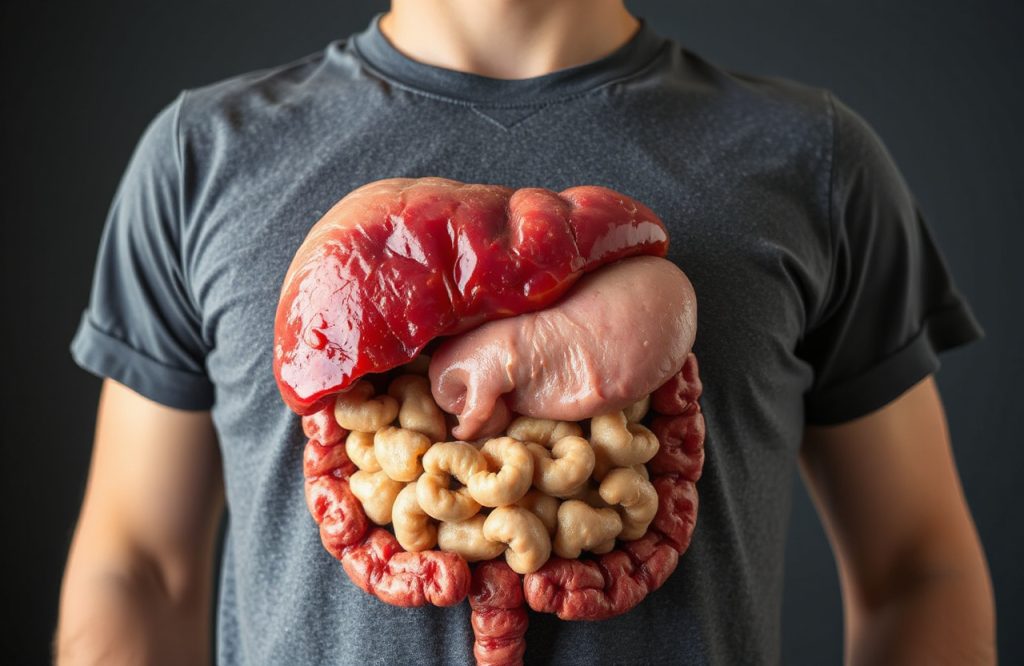
Understanding Non-Alcoholic Fatty Liver Disease
Overview of NAFLD
Non-alcoholic fatty liver disease (NAFLD) stands as the most prevalent liver disorder globally. Currently, the only established treatment approach focuses on managing symptoms through weight loss and lifestyle modifications. However, this method may not be applicable for all patients, particularly those with a normal to low Body Mass Index (BMI).
Recent Study on Probiotics and Prebiotics
A recent study published in the British Journal of Nutrition highlights the potential benefits of synbiotics for low-BMI patients suffering from NAFLD. Synbiotics are a combination of probiotics—beneficial gut bacteria—and prebiotics, which are fermentable foods that support the growth of these probiotics.
Study Methodology
Eligibility Criteria
Participants in the study were required to have been diagnosed with NAFLD for at least six months. The diagnosis was based on the presence of steatosis (fat accumulation in the liver), elevated liver enzyme levels, and a fatty liver score derived from ultrasound imaging. Eligible subjects were aged 18 or older, had a BMI of 25 or less, and had no history of alcoholism or predisposition to liver disease.
Study Design
A total of 50 subjects meeting these criteria were recruited and randomly assigned to receive either a synbiotics pill or a placebo pill. Participants took their assigned pills twice daily for a duration of 28 weeks, with follow-up assessments every seven weeks. These follow-ups included a range of tests to evaluate BMI, immune system functions, metabolism, and liver health.
Study Results and Implications
Findings
The findings of the study indicated that the intake of synbiotics led to notable improvements in liver health among patients with NAFLD. Given that the study employed a double-blind, randomized, and placebo-controlled design, the outcomes strongly support the incorporation of synbiotics as a strategy for managing NAFLD symptoms.
Impact on Immune Response
One of the primary advantages of synbiotics was their role in regulating the immune response related to fatty liver and reducing inflammation levels.
Conclusion
This study provides promising insights into the potential of synbiotics in managing non-alcoholic fatty liver disease, especially for patients unable to pursue traditional treatment methods.