Study Links Diet and Depression
Overview of Depression’s Global Impact
A recent study published in the British Journal of Nutrition aimed to explore the connection between dietary habits and depression, a condition that affects approximately 350 million individuals worldwide. Women are particularly affected, with a likelihood of experiencing depression about 1.7 times greater than that of men. The World Health Organization (WHO) has projected that by 2020, depression will become the second most prevalent health issue after heart disease.
Lifestyle Modifications and Mental Health
Research has increasingly suggested that lifestyle factors, including dietary choices, can influence the severity of depression and related conditions. In light of this, there has been growing interest in investigating the potential relationship between food consumption and mental health. Previous observational studies examining the correlation between fruit and vegetable intake and depression or anxiety did not yield significant results.
Methodology of the Recent Study
The latest study conducted a comprehensive and systematic review of existing literature to better understand the link between diet and depression. Researchers reviewed studies published until October 2017, ultimately including 27 studies in their analysis.
Findings on Fruit and Vegetable Intake
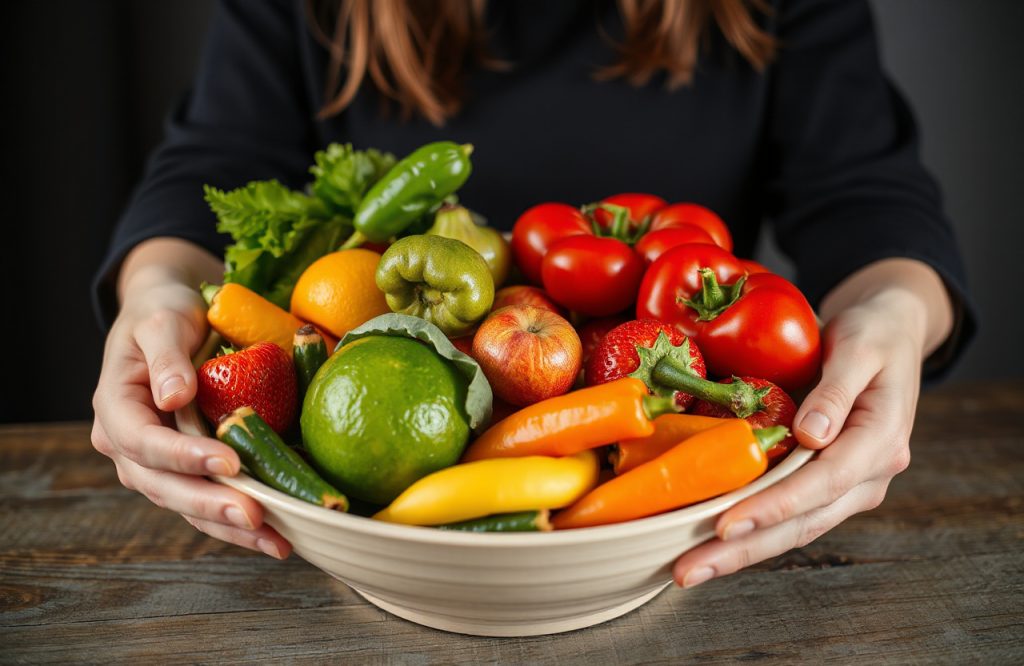
The study’s findings were noteworthy. A meta-analysis of 18 studies revealed that higher consumption of fruits and vegetables is associated with a decreased risk of depression. Specifically, for every 100g increase in fruit and vegetable intake, there is a corresponding 5% reduction in the risk of developing depression.
Understanding the Impact of Diet on Mental Health
Depression can significantly drain physical, mental, and financial resources for both individuals and communities. A critical consideration is whether the intake of fruits and vegetables directly influences depression or if overall dietary habits contribute to this reduced risk. The current study suggests that both fruit and vegetable consumption, as well as their combined intake, play a protective role against depression.
Nutritional Benefits of Fruits and Vegetables
Fruits and vegetables are abundant in essential vitamins, minerals, fiber, antioxidants, phytochemicals, and flavonoids, all of which are believed to positively affect mental health. For instance, vitamins E and C are known for their antioxidant properties, while an active form of vitamin B6 is involved in synthesizing serotonin, a neurotransmitter crucial for mood regulation. Oxidative stress, characterized by an imbalance between reactive oxygen production and antioxidant defenses, has been linked to a higher risk of depression.
Limitations of the Study
Despite these promising results, the study does acknowledge certain limitations. Seasonal variations in depressive symptoms could influence the findings, particularly for individuals with seasonal affective disorder, which leads to depression during specific times of the year. This factor may impact the generalizability of the results.
Conclusion and Recommendations
In conclusion, the research indicates that adopting healthier dietary practices, particularly increasing fruit and vegetable intake, may assist individuals in combating depression. Such dietary changes are highly recommended for those seeking to improve their mental health.
Reference
Saghafian, F., Malmir, H., Saneei, P., Milajerdi, A., Larijani, B., & Esmaillzadeh, A. (2018). Fruit and vegetable consumption and risk of depression: accumulative evidence from an updated systematic review and meta-analysis of epidemiological studies. British Journal of Nutrition, 119(10), 1087-1101.