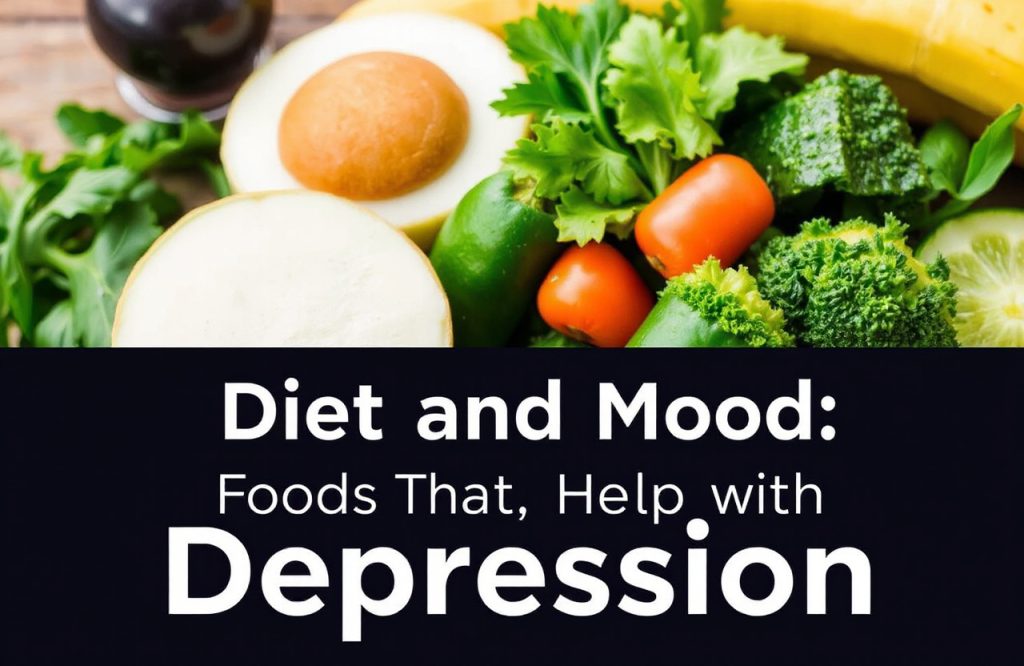
Understanding Depression and Nutrition
You’re Not Alone
Feeling down? You are not alone. Millions across the globe grapple with the challenges of depression. While therapy and medication play significant roles in managing this condition, recent research suggests that diet also plays a crucial part in mental health.
The Gut-Brain Connection
The relationship between your brain and gut resembles a continuous dialogue, often referred to as the “gut-brain axis.” The trillions of microorganisms in your digestive system, known as the gut microbiome, significantly influence your brain’s mood and function. Therefore, a troubled gut may lead to a troubled mind. Fortunately, by choosing the right foods, you can foster a healthier relationship between your gut and brain, promoting overall well-being.
Foods That May Alleviate Depression
Omega-3 Fatty Acids
Omega-3 fatty acids, prevalent in fatty fish such as salmon, mackerel, and sardines, are vital for brain health and can help reduce depressive symptoms. A 2019 meta-analysis indicated that omega-3 polyunsaturated fatty acids (PUFAs), particularly those high in eicosapentaenoic acid (EPA), can effectively lower depression symptoms when consumed at appropriate dosages.
Leafy Greens
Leafy greens, including spinach and kale, are rich in folate, a B vitamin essential for neurotransmitter production. Research has established a connection between low folate levels and depression, with studies showing that increased consumption of fruits and vegetables correlates with improved mental health outcomes.
Nuts and Seeds
Nuts and seeds, such as walnuts, almonds, and flaxseeds, are excellent sources of omega-3s, magnesium, and zinc, all of which are important for mood regulation. A 2023 study found that consuming a small handful of nuts daily reduces the risk of depression in middle-aged and older adults.
Whole Grains
Whole grains provide complex carbohydrates that sustain energy levels and promote serotonin production, a neurotransmitter linked to happiness. A systematic review in 2023 revealed that whole grain intake is associated with improved mood and lower rates of depression.
Fermented Foods
Fermented foods like yogurt, kefir, and sauerkraut contain probiotics that benefit both gut and mental health. A Korean health survey indicated that adults who consumed more probiotic-rich foods had significantly lower rates of depression.
Building a Comprehensive Diet for Depression
Key Dietary Elements
Incorporating specific foods is vital, but a holistic approach to diet is essential for long-term mood enhancement. A diet for depression should prioritize:
– **Variety**: Include a wide range of fruits, vegetables, whole grains, lean proteins, and healthy fats to ensure a well-rounded nutrient intake.
– **Antioxidants**: Colorful fruits and vegetables are high in antioxidants, which help combat inflammation and oxidative stress associated with depression.
– **Limited Processed Foods**: Reduce the intake of highly processed foods, sugary snacks, and excessive caffeine, as these can negatively affect blood sugar and mood stability.
Specific Foods to Consider
Here are some specific foods that may help improve mood:
– **Turkey**: Rich in tryptophan, which aids in serotonin production.
– **Brazil Nuts**: A great source of selenium, which may alleviate depression.
– **Carrots**: High in beta-carotene, beneficial for brain health.
– **Clams and Mussels**: Provide vitamin B12, crucial for nerve function and mood regulation.
– **Coffee**: In moderation, it can enhance energy and focus, though excessive consumption may increase anxiety.
Importance of Professional Guidance
If you are experiencing depression, seeking professional help is crucial. A healthcare provider or registered dietitian can assist in developing a personalized diet plan to support your mental health and provide additional resources.