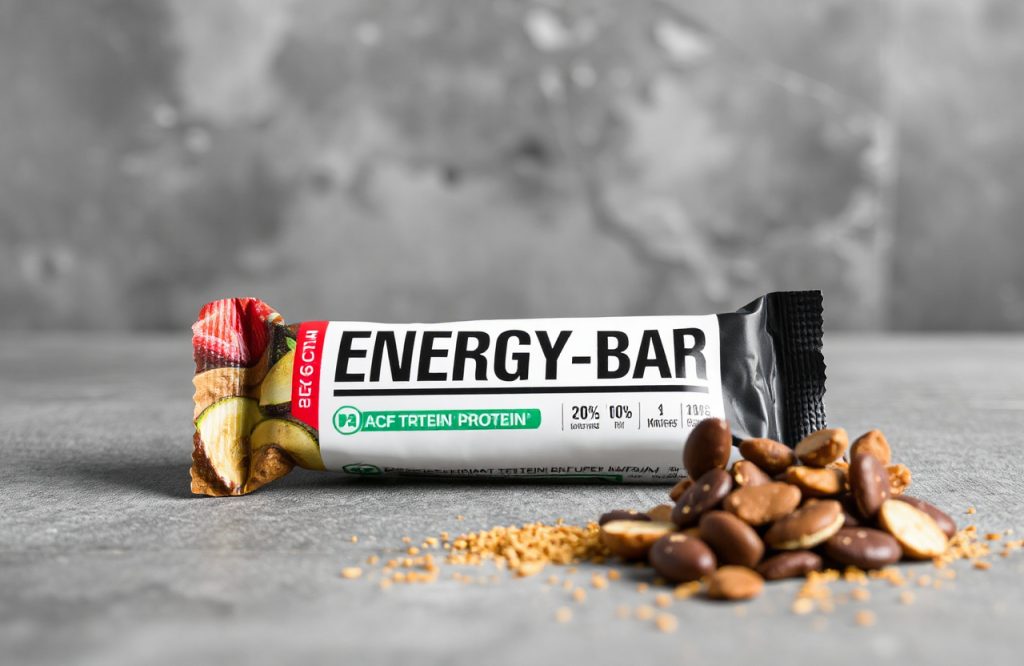
Impact of L-Leucine-Enriched Supplement Bars on Protein and Energy Intake in Older Women
Understanding Age-Related Muscle Loss
As individuals reach their mid-30s, they begin to experience a gradual decline in muscle mass, a condition known as “age-related sarcopenia.” This decline can lead to a loss of 3-5% of muscle mass per decade for those who are physically inactive. The rate of muscle loss accelerates significantly at around the age of 75, although some individuals may experience this change earlier or later. Even those who maintain an active lifestyle will experience some muscle mass reduction as they age. Contributing factors include hormonal changes, inadequate protein or caloric intake, and a diminished capacity to convert protein into muscle in older adults. The resulting loss of muscle mass can lead to weakness, reduced stamina, and increased frailty, heightening the risk of falls and fractures among older adults.
The Role of Exercise and Nutritional Supplements
Exercise, particularly strength training with weights or resistance bands, is the primary intervention for age-related sarcopenia. Ensuring adequate protein and energy intake is also crucial, and increasing dietary protein consumption has been recommended for older adults. However, factors such as changes in appetite and impaired digestion can complicate adherence to these guidelines. While various attempts to provide essential amino acids through nutritional supplements have shown mixed results, researchers from Leeds have created a new amino acid supplement energy bar enriched with L-leucine, an essential amino acid believed to play a vital role in muscle protein synthesis.
Study Overview and Methodology
Researchers conducted a randomized controlled trial to assess the effectiveness of the L-leucine-enriched energy bar and gel in improving protein and energy intake among healthy women aged 60 to 80. The trial consisted of two small studies, the first involving 10 participants and the second with 11 participants, all of whom were active but not engaged in structured exercise programs.
In the first study, participants underwent three trials separated by at least one week. They were divided into three groups, receiving either the energy bar, energy gel, or no supplement (control) one hour before breakfast. Each group rotated through the different conditions across the trials. Blood samples were collected before supplementation and at intervals of five, 30, and 60 minutes post-ingestion to evaluate gut hormones and amino acid levels. Questionnaires regarding appetite and the palatability of the supplements were administered before and after breakfast.
The second study followed a similar format, with participants consuming either the energy bar, energy gel, or nothing immediately before breakfast, along with appetite and palatability questionnaires.
Findings on Energy Intake
In the first study, breakfast energy intake did not significantly differ among the three groups. However, after adjusting for the energy content of the supplements, those consuming the energy bar and gel exhibited significantly higher energy intake compared to the control group. Blood analysis revealed substantial increases in amino acid levels within 30 to 60 minutes of taking the supplements. While appetite levels were notably higher in the control group post-ingestion, this did not translate to a difference in actual food consumption during breakfast.
Conversely, the second study showed that the control group had a significantly higher energy intake at breakfast compared to the supplement groups. Nonetheless, once the energy content of the bar and gel was factored in, both supplement groups had a significantly greater energy intake than the control group.
Researchers concluded that both the energy bar and gel effectively increased total energy intake when consumed either one hour prior to or during breakfast. The aim was to create a supplement that minimizes satiety effects while maximizing essential amino acid concentrations, as food protein or protein supplements can often lead to increased feelings of fullness and reduced overall energy intake.
Future Research Directions
Further investigations are required to understand how daily food intake may be influenced by the consumption of these supplements alongside regular meals. Nevertheless, this innovative amino acid supplement energy bar and gel may represent a promising strategy to enhance protein and overall energy intake in older women.
Reference
Ispoglou T, Deighton K, King R, et al. Novel essential amino acid supplements enriched with L-leucine facilitate increased protein and energy intakes in older women: a randomized controlled trial. Nutrition Journal (2017) 16:75 DOI 10.1186/s12937-017-0298-6.