Impact of Core Training on Runners: A Study Overview
Introduction to the Study
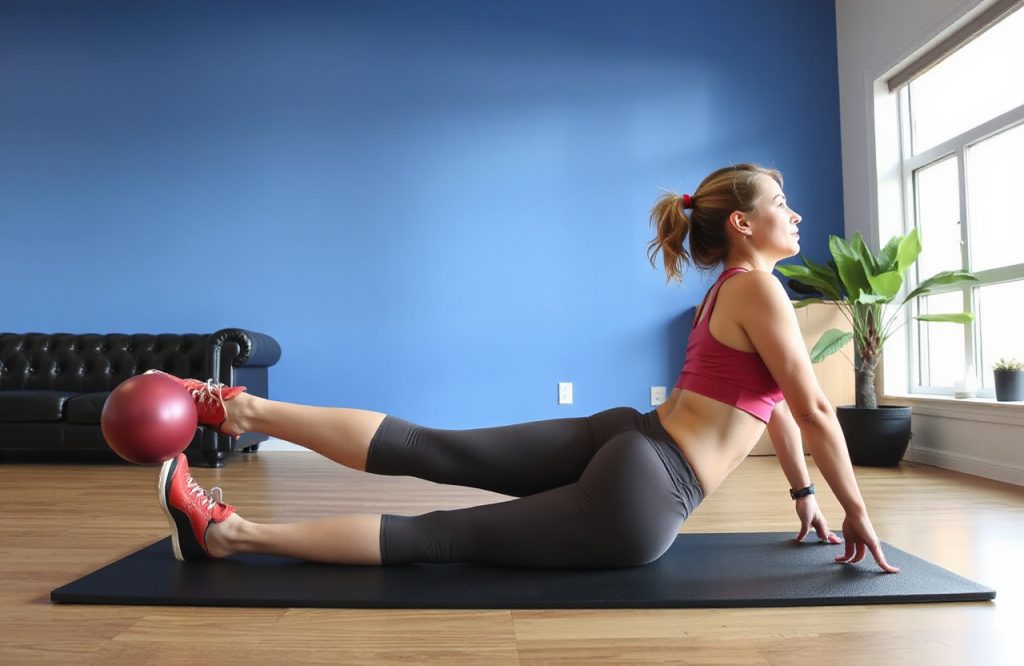
A recent study evaluated the effects of core training, specifically Pilates, on the performance and metabolic cost of trained runners. The human body relies on oxygen for physical exertion, with each individual possessing a maximum oxygen consumption capacity. For long-distance running, it is essential to have both a high maximum oxygen consumption and the ability to sustain that level over time. The metabolic cost refers to the amount of oxygen consumed when covering a specific distance, assuming the runner is operating below their maximal effort. Research indicates that certain training methods may lower metabolic cost, thereby enhancing running performance.
Study Design and Methodology
Conducted in Brazil and published by the Public Library of Science, the study involved 32 trained runners who were randomly assigned to two groups. One group, consisting of 16 participants, engaged in Pilates training, while the other 16 served as a control group. Both groups maintained regular running training, but the Pilates group supplemented their regimen with a 12-week Pilates program. Researchers recorded neuromuscular measurements, metabolic data, and running kinematics, with participants completing running exercises at two different speeds before and after the training period.
Demographics and Baseline Measurements
Prior to the training program, there were no significant demographic differences between the control and Pilates groups. The key variables measured included maximum oxygen consumption and metabolic cost at speeds of 10 kilometers per hour and 12 kilometers per hour. These variables also showed no significant discrepancies between the two groups before the start of the study.
Findings and Results
Post-training results indicated a significant enhancement in running performance for the Pilates group compared to the control group. Additionally, the metabolic cost was notably improved for the Pilates participants. The researchers observed a reduction in electromyographic activity in the postural muscles among those who completed the Pilates training.
Implications of the Study
The findings suggest that Pilates training can be advantageous for trained runners seeking to enhance their performance. This research is pioneering in its exploration of Pilates’ effects on running. The results could inform the development of targeted training modules aimed at specific muscle groups for various athletic populations. Furthermore, physical therapy programs for athletes might leverage this information to recommend exercises that enhance performance while reducing injury risks.
Conclusion
Implementing specialized training programs can optimize muscle activity and improve the overall health of individuals engaged in high-stress athletic endeavors. This proactive approach to training emphasizes enhancing athlete health and performance rather than merely reacting to injuries.
Author Information
Written by Shrishti Ahuja, HBSc
Reference
Finatto, P., Silva, E. S., Okamura, A. B., Almada, B. P., Oliveira, H. B., & Peyré-Tartaruga, L. A. (2018). Pilates training improves 5-km run performance by changing metabolic cost and muscle activity in trained runners. Plos One, 13(3). doi:10.1371/journal.pone.0194057