Exploring the Impact of Fatty Fish on Preschool Children’s Cognitive Function
Introduction to the Study
For the first time, a comprehensive trial was conducted to examine the connection between fatty fish consumption and cognitive functioning in preschool children. Previous research has indicated that fatty fish intake positively affects cognitive abilities in adolescents and adults, largely attributed to the high levels of n-3 long-chain polyunsaturated fatty acids, including omega-3, omega-6, and omega-9. These polyunsaturated fatty acids are also linked to various health benefits, particularly for cardiovascular health, but their crucial role in brain development is of particular interest in this context.
The FINS-KIDS Randomized Controlled Trial
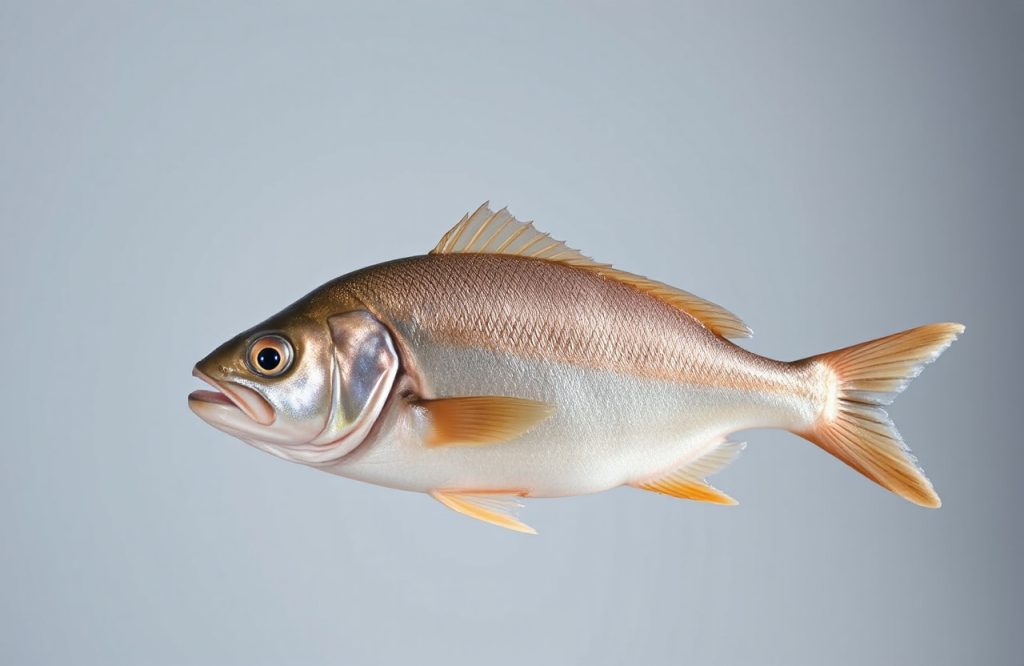
A team of researchers from Norway carried out a study to determine whether there is a relationship between fatty fish consumption and cognitive function among preschoolers, in comparison to meat consumption. The findings were published in the journal BMC Medicine. The study involved 232 children, aged 4 to 6 years, recruited from 13 different kindergartens in Norway. Participants were randomly assigned to receive either fish or meat lunches three times a week over a 16-week period. Each child was served 50-80 grams of either herring or mackerel, representing fatty fish, or meat such as chicken, lamb, or beef. The exact quantities consumed were monitored by weighing the portions before and after each meal.
Assessing Cognitive Abilities
The researchers evaluated the children’s cognitive abilities and fine motor skills through various tests, alongside collecting biological samples and parent questionnaires. Initially, when comparing intelligence and fine motor coordination scores pre- and post-study, no significant influence of the dietary intervention was observed. However, upon adjusting for dietary compliance—specifically the amount of fatty fish consumed—some improvements in cognitive abilities became evident.
Improvements Linked to Fatty Fish Intake
The results indicated that children who consumed more fatty fish showed enhanced performance in vocabulary, block design, and symbol search tasks. Additionally, improvements were noted in the 9-Hole Peg Test, with better performance recorded for both the dominant and non-dominant hands. The study revealed that children with higher fatty fish intake had elevated levels of n-3 polyunsaturated fatty acids in their blood, particularly eicosapentaenoic acid (EPA) and docosahexaenoic acid (DHA), both of which are associated with cognitive function. Notably, DHA played a significant role in influencing cognitive ability scores.
Conclusions and Future Implications
The researchers observed only slight beneficial effects on cognitive function from fatty fish consumption, which were significant only after adjusting for dietary compliance. They suggested that the study duration might have been insufficient, as the effects of increased EPA and DHA levels may require more than 16 weeks to manifest in complex behaviors such as cognition. Despite this limitation, the study lays the groundwork for future research into the relationship between fatty fish intake and cognitive function in children.
If subsequent studies confirm that fatty fish consumption enhances cognitive function, this could have significant implications. It may lead to advocating for increased fatty fish consumption in households and integrating it into school meal plans to promote long-term benefits for children’s cognitive development.
Written by Alena Kim, HBSc
Reference
Øyen, J., Kvestad, I., Midtbø, L. K., Graff, I. E., Hysing, M., Stormark, K. M., … Kjellevold, M. (2018). Fatty fish intake and cognitive function: FINS-KIDS, a randomized controlled trial in preschool children, BMC Medicine, 16:41(1–15). doi:10.1186/s12916-018-1020-z