Cancer Treatment and the Importance of Physical Activity
Challenges of Cancer Recovery
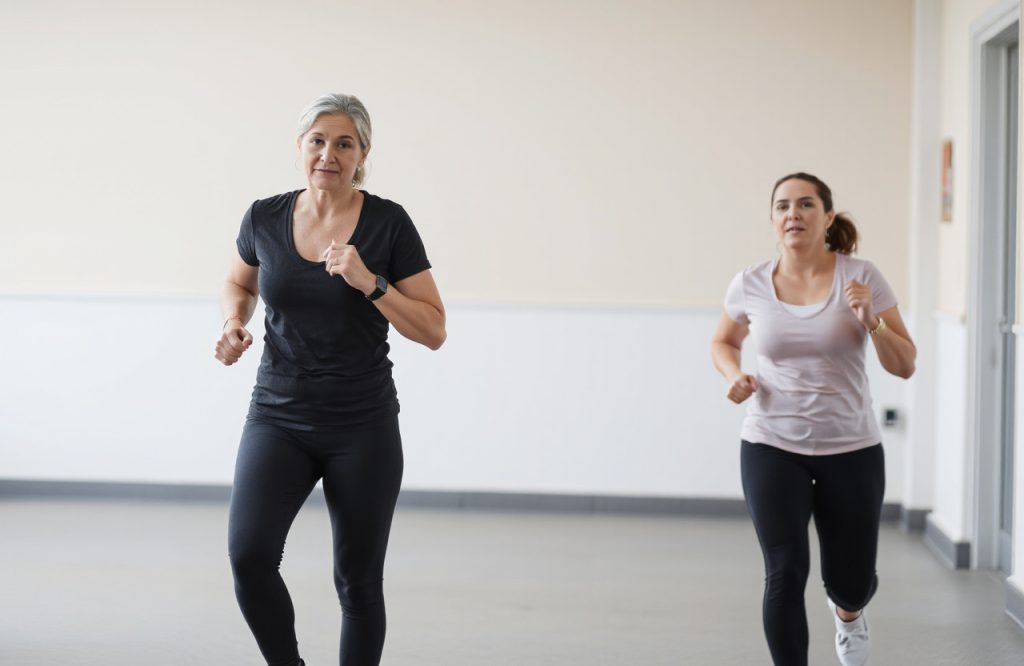
Cancer treatments can be exhausting, leaving patients feeling drained and lacking the energy for exercise or sports. However, research indicates that maintaining physical activity during cancer treatment is crucial for enhancing quality of life and overall fitness levels.
Recent Research Findings
At the European Society of Medical Oncologists (ESMO) 2018 Congress held in Munich, Germany, French researchers presented findings from two significant studies focused on exercise and recovery in cancer patients. Annually, over 3,500 cancer patients in France engage in exercise programs at more than 80 cancer centers, guided by specialized trainers who teach appropriate exercises for recovery.
Study on Breast Cancer Patients
The first study evaluated 114 breast cancer patients undergoing treatment, who participated in a six-month exercise program supervised by trainers across various centers. This program included twice-weekly, 60-minute sessions of strength training and aerobic exercises. Patients attended these sessions in groups of up to 12, as pairs, or individually. Researchers assessed health-related quality of life at the program’s start, and again at three and six months. Evaluations included fatigue, pain, physical capacity, body fat, and lean body mass.
Results: Pain and Fatigue Reduction
The exercise program resulted in significant reductions in pain and fatigue scores at both three and six months. Participants also experienced notable decreases in body fat, while lean body mass remained stable. Overall fitness levels improved, demonstrating increased leg muscle endurance and strength, as well as enhanced balance in both arms and legs.
Dr. Thierry Bouillet from the American Hospital of Paris, a study author, emphasized the importance of initiating exercise as early as possible after a cancer diagnosis, stating, “Patients are often fatigued and have started to lose muscle before they are diagnosed with cancer.” He advocated for exercise to be considered a vital component of cancer care to mitigate initial symptoms and alleviate treatment side effects.
Impact on Quality of Life
In another study involving 2,525 breast cancer patients undergoing chemotherapy, researchers examined how physical activity levels influenced quality of life outcomes at three, six, and twelve months post-treatment. Those who engaged in 75 minutes of vigorous exercise weekly, or 150 minutes of moderate exercise, reported significantly better quality of life at six and twelve months compared to inactive individuals. Active participants also experienced enhanced physical well-being, along with reduced fatigue, pain, and breathlessness.
Dr. Antonio Di Meglio from the Institut Gustave Roussy noted that approximately 60% of patients remained physically active before and after chemotherapy. Although chemotherapy negatively impacted their quality of life, these active individuals scored consistently higher across various physical, emotional, and symptom-related scales than their inactive counterparts.
Targeting High-Risk Patients
The study highlighted that patients who had undergone mastectomy, those with additional illnesses, smokers, or individuals with low income were at greater risk for a diminished quality of life following treatment. However, these patients also showed significant benefits from exercise. Dr. Di Meglio recommended targeting these higher-risk groups for interventions aimed at improving outcomes, including promoting physical activity.
Conclusion: The Role of Physical Therapy
Dr. Gabe Sonke from the Netherlands Cancer Institute commented on the significance of the French studies, reiterating the value of physical therapy for cancer patients—a view supported by ESMO guidelines recommending exercise as a standard aspect of care for all cancer patients.
Reference: Press release 19 Oct 2018 – European Society of Medical Oncologists – ESMO 2018 Congress, 19-23 October 2018, Munich, Germany. Regular exercise should be part of cancer care for all patients https://www.eurekalert.org/pub_releases/2018-10/esfm-res101918.php