Impact of the 10,000 Steps Challenge on Mental Health
Introduction to the Study
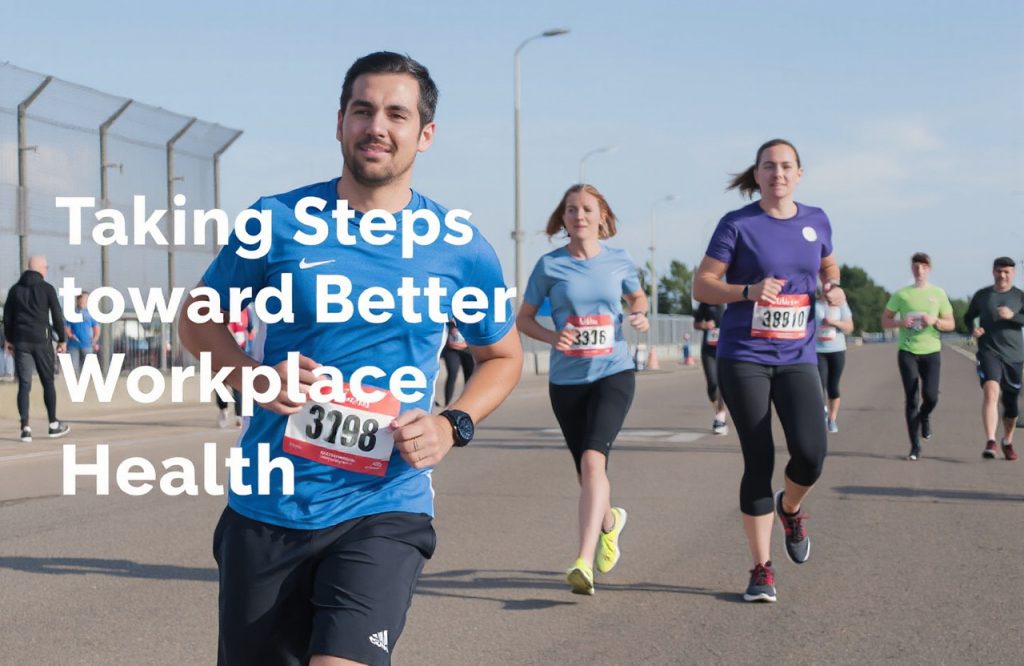
A recent study assesses the effects of a 100-day, 10,000 steps workplace challenge and its implications for psychological well-being and mental health. Notably, one in five individuals will encounter a significant mental health crisis during their lifetime. Projections suggest that the expenses associated with treating mental illnesses could reach US$6 trillion by 2030. This financial burden has surpassed that of cardiovascular diseases, cancer, diabetes, and chronic respiratory conditions. Individuals with mental health issues face a markedly increased risk of early mortality and morbidity.
Link Between Physical Activity and Mental Well-being
Research has established a connection between physical activity and improved outcomes in various non-communicable diseases, including heart disease and diabetes. Furthermore, increased physical activity has been associated with a reduction in depressive symptoms.
Role of Stepathlon in Promoting Mental Health
Previous animal studies suggest that exercise elevates levels of noradrenaline and serotonin, similar to the effects of antidepressant medications. Consequently, exercise might serve as an essential strategy for both preventing and addressing mental health issues. Stepathlon, a company advocating for workplace exercise, has designed programs that encourage participants to reach 10,000 steps daily.
Study Overview
This study uniquely explores the positive mental health outcomes for participants engaged in a 100-day, 10,000 steps challenge within the workplace. The World Health Organization (WHO) has recognized workplace interventions as effective means of promoting mental health. The 10,000 steps challenge, which translates to 1.5 to 2 hours of walking, exceeds WHO’s recommended physical activity guidelines. While significant physical improvements have been noted from these challenges, research on their influence on stress, anxiety, depression, and overall mental well-being has been limited.
The study involved workplace populations participating in the Stepathlon corporate challenge in India and Australia, and was published in the BMC Psychiatry Journal in 2018. Approved by the Victoria University Human Research Ethics Committee, the study invited participants to examine the effects of the 100-day challenge on their mental health.
Participant Demographics
The research included 1,458 male and 505 female participants aged between 16 and 74 years. Representing a global population, participants hailed from 21 countries, with the majority (1,610) from India and 227 from Australia. Data were collected through a password-protected website using pedometers or other fitness monitoring devices. Participants completed a 21-item self-report questionnaire covering three sub-scales: depression, anxiety, and stress.
Findings on Mental Health Improvements
The study found that psychological well-being and mental health improved for individuals engaged in the 10,000 steps programs. Specifically, participation in the workplace initiative resulted in an 8.9% reduction in stress, a 7.6% decrease in depression, and a 5% decline in anxiety. Interestingly, the average step count did not significantly affect mental health improvements, indicating that the benefits were more closely tied to program participation rather than the physical act of walking itself. This could be attributed to enhanced social connections formed during the program or a “snowball effect,” where increased exercise leads to better dietary and wellness choices.
Conclusion and Implications for Future Research
A crucial takeaway from the research is that completion of the required steps did not directly correlate with notable differences in mental health and well-being. Instead, a complex interplay of psycho-social factors associated with participation in workplace programs played a pivotal role in enhancing mental health. The research highlighted positive impacts on employee satisfaction, reduced absenteeism, and increased productivity, all contributing to cost savings for employers.
Author Information
This article was written by Sonia Leslie Fernandez, Medical News Writer.
Reference
Hallam, K. T., Bilsborough, S., & de Courten, M. (2018). “Happy feet”: evaluating the benefits of a 100-day 10,000 step challenge on mental health and wellbeing. BMC Psychiatry, 18(1), 19.