Exploring Botulinum Toxin as an Adjuvant Treatment for Atopic Dermatitis
Introduction to Atopic Dermatitis
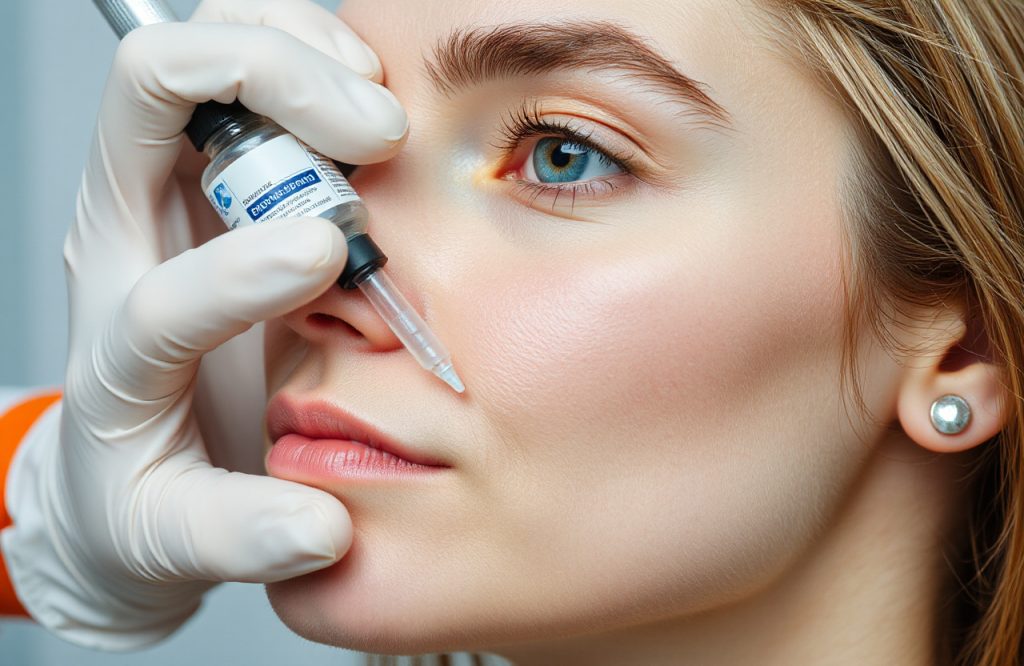
Researchers are investigating the potential of botulinum toxin (BTx) as an adjunct therapy for resistant cases of atopic dermatitis. BTx injections have demonstrated effectiveness in preventing dermatitis-like lesions in laboratory animals. Atopic dermatitis is widely recognized as a common yet complex skin condition that poses challenges for both patients and dermatologists.
Understanding Atopic Dermatitis Symptoms
This skin condition is triggered by contact with foreign substances, leading to allergic reactions and localized inflammation. Such reactions result in the release of histamine, which causes itchy sensations. Patients often resort to scratching to alleviate these pruritic symptoms, which in turn results in swollen, reddened, or thickened skin.
Treatment Challenges
While atopic dermatitis typically resolves on its own, many patients contend with persistent symptoms that necessitate treatment. Individuals suffering from this ailment endure ongoing inflammation and itching, leading to eczematous skin that is susceptible to infection and exacerbates symptoms. The search for a universally effective treatment continues, as no single solution works for everyone. Various prescribed treatments, including steroids, creams, light therapy, silk clothing, and even dilute bleach baths, yield mixed results.
A Multi-Pronged Approach to Treatment
Clinicians now advocate for a comprehensive approach to managing atopic dermatitis. Combining effective therapies with preventative measures is routinely recommended. For patients with resistant forms of the condition, adjuvant or additional therapies are considered to mitigate acute symptoms and reduce the risk of infectious complications.
Botulinum Toxin Beyond Cosmetic Use
While BTx is primarily known for its cosmetic use in wrinkle treatment, it also serves therapeutic purposes, including relief from chronic muscle pain, spastic conditions, and hyperhidrosis (excessive sweating) in the palms and armpits.
Research Findings on Botulinum Toxin
Recent studies have explored the efficacy of BTx for patients with severe atopic dermatitis. An article published in Dermatologic Surgery outlines research conducted by South Korean scientists, who administered BTx injections into induced lesions resembling atopic dermatitis in laboratory animals. The results showed a significant decrease in inflammation and swelling, along with marked microscopic changes that suggest a slowdown in the cellular processes associated with dermatitis.
Future Implications and Considerations
This research highlights the potential role of BTx as an adjuvant treatment for atopic dermatitis. However, further studies are essential to validate these findings. The high cost of multiple BTx injections across large treatment areas may deter patients, and the discomfort associated with numerous injections could also be a concern. In the future, topical creams or gels infused with BTx may provide relief to those suffering from persistent itching and scratching.
Conclusion
As researchers continue to explore the therapeutic applications of botulinum toxin, there is hope for improved treatment options for individuals afflicted with resistant forms of atopic dermatitis.
Written By: Jay Martin, M.D.
Add to Flipboard Magazine.