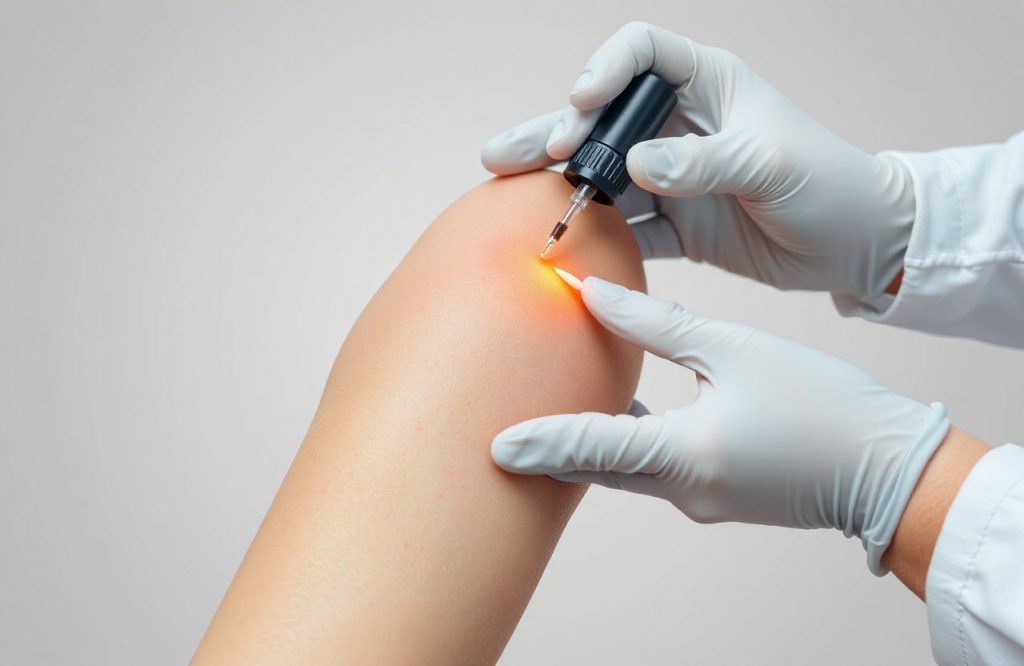
Exploring Botox as a Treatment for Diabetic Peripheral Neuropathy
Introduction to Botox and Pain Management
Botox is widely recognized for its aesthetic applications, but recent studies have begun to highlight its potential role in alleviating pain associated with various conditions, particularly diabetic peripheral neuropathy. This condition often leads to debilitating pain and muscle cramps in diabetic patients.
Muscle Hyperactivity and Diabetic Neuropathy
Patients with diabetes frequently experience muscle cramps, particularly in the calves and feet. Due to its muscle-relaxing properties, Botox has been explored as a treatment for muscle hyperactivity associated with these cramps. Traditional medications for neuropathic pain can sometimes fall short, presenting side effects that may hinder their use.
Clinical Trials on Botox Injections
A recent clinical trial evaluated the effectiveness of Botox injections in managing diabetic neuropathy. Participants receiving Botox reported notable improvements in both the intensity and frequency of cramping episodes, with effects lasting up to 14 weeks. Significant differences were observed as early as one to two weeks post-treatment, peaking around four weeks and reaching maximum effectiveness at approximately six weeks. The predominant side effect noted was mild pain at the injection site, which typically resolved within three days, with no significant systemic side effects reported.
Additional Clinical Study Findings
In a separate clinical trial, patients were administered two Botox injections spaced twelve weeks apart. This study corroborated the findings of the first, revealing a substantial reduction in neuropathic pain intensity over a 24-week period. Notably, the second Botox dose enhanced the treatment’s efficacy, even for patients who did not experience improvement after the initial injection. Similar to the first trial, mild pain at the injection site was the most commonly reported side effect.
Conclusion and Implications
The outcomes of these studies indicate that Botox may serve as an effective alternative treatment for neuropathic pain, particularly for patients unresponsive to conventional therapies. Overall, the treatment appears to be safe and well-tolerated among individuals suffering from peripheral diabetic neuropathy.
References
Restivo DA, et al. (2018). Efficacy of Botulinum Toxin A for Treating Cramps in Diabetic Neuropathy. Ann Neurol. Nov;84(5):674-682. doi: 10.1002/ana.25340.
Attal, N. et al. (2016). Safety and efficacy of repeated injections of botulinum toxin A in peripheral neuropathic pain (BOTNEP): a randomised, double-blind, placebo-controlled trial. The Lancet. Neurology, Vol: 15, Issue: 6, Page: 555-65.
Image by Arek Socha from Pixabay.