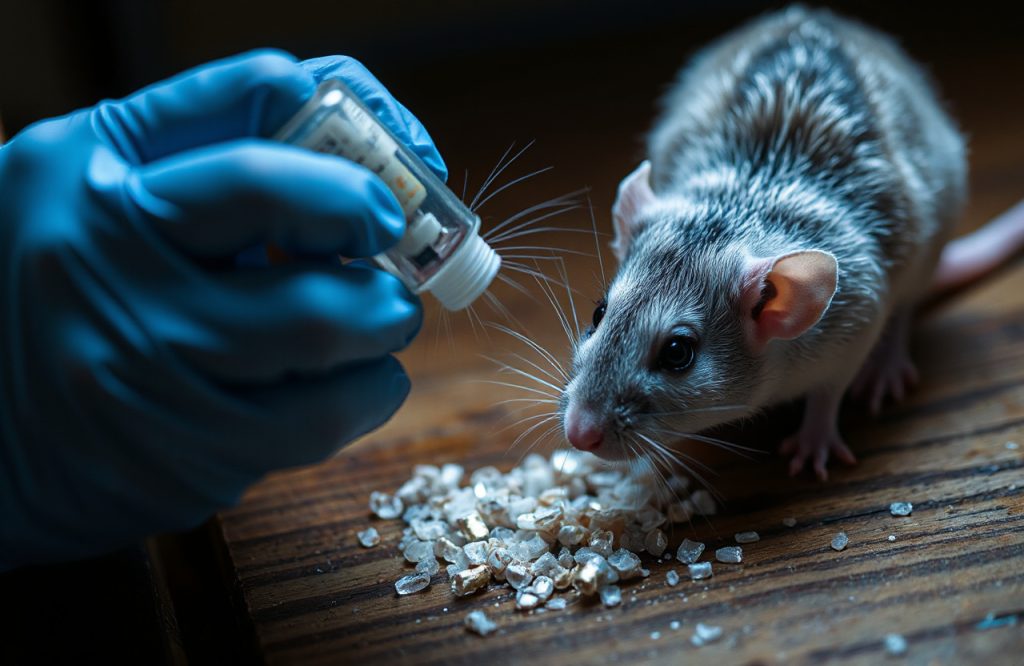
New Drug Shows Potential in Reversing Alzheimer’s Disease in Mice
Overview of Alzheimer’s Research
For many years, Alzheimer’s disease has been viewed as an irreversible condition. Consequently, much of the research has aimed at preventing or slowing the progression of the disease rather than attempting to reverse its effects.
Recent Study Findings
A recent study conducted on mice has explored a compound with neuroprotective properties that may help repair damage and restore cognitive functions. In animal models experiencing advanced Alzheimer’s disease, this compound has demonstrated the ability to restore levels of a crucial cellular energy molecule and reverse brain damage associated with the disease.
While further investigation is required, these findings indicate that therapies focused on reestablishing brain energy balance might present a viable option for reversing cognitive decline.
Alzheimer’s Disease Prevalence
In the United States, over 7 million adults aged 65 and older are affected by Alzheimer’s disease, a progressive condition characterized by memory loss and cognitive decline. It is responsible for 60% to 80% of dementia cases within the country.
The Role of NAD+ in Brain Health
Nicotinamide adenine dinucleotide (NAD+) is a vital enzyme that plays a significant role in various cellular functions, including energy metabolism and DNA repair. NAD+ levels naturally decrease with age, which may increase the risk of age-related diseases, including Alzheimer’s.
Decreased NAD+ levels may elevate the risk of Alzheimer’s due to heightened oxidative stress, inflammation, and protein aggregation. As a result, researchers are investigating the restoration of NAD+ and its potential neuroprotective effects.
Research Collaboration and Study Publication
A research team from Case Western Reserve University, University Hospitals (UH), and the Louis Stokes Cleveland VA Medical Center has explored whether maintaining NAD+ levels could prevent or even reverse Alzheimer’s disease. This study, published in Cell Reports Medicine, builds on the team’s prior research indicating that enhancing NAD+ levels could facilitate recovery in mouse models with traumatic brain injuries.