New Drug Development for Abdominal Aortic Aneurysms
Understanding Abdominal Aortic Aneurysms
Abdominal aortic aneurysms (AAAs) claim thousands of lives annually. The aorta, the body’s largest artery, originates from the heart and distributes blood throughout the body. In certain individuals, this artery can become enlarged, resembling a balloon, which poses the risk of rupture. This condition, known as an abdominal aortic aneurysm, is a severe form of cardiovascular disease. Currently, surgical intervention is the sole medical treatment available for AAAs, as no medications exist to slow their progression.
Research Breakthrough: Apelin Protein
A Canadian research team has been investigating a naturally occurring protein named apelin, which shows promise in treating AAAs. Their findings were recently published in the Proceedings of the National Academy of Sciences of the United States of America. Apelin is known for its protective effects against various cardiovascular diseases. Preliminary studies indicated that apelin could safeguard aortas from developing aneurysms. However, the researchers observed that aortas from AAA patients contained high levels of an enzyme that degrades apelin, thereby hindering its effectiveness as a treatment.
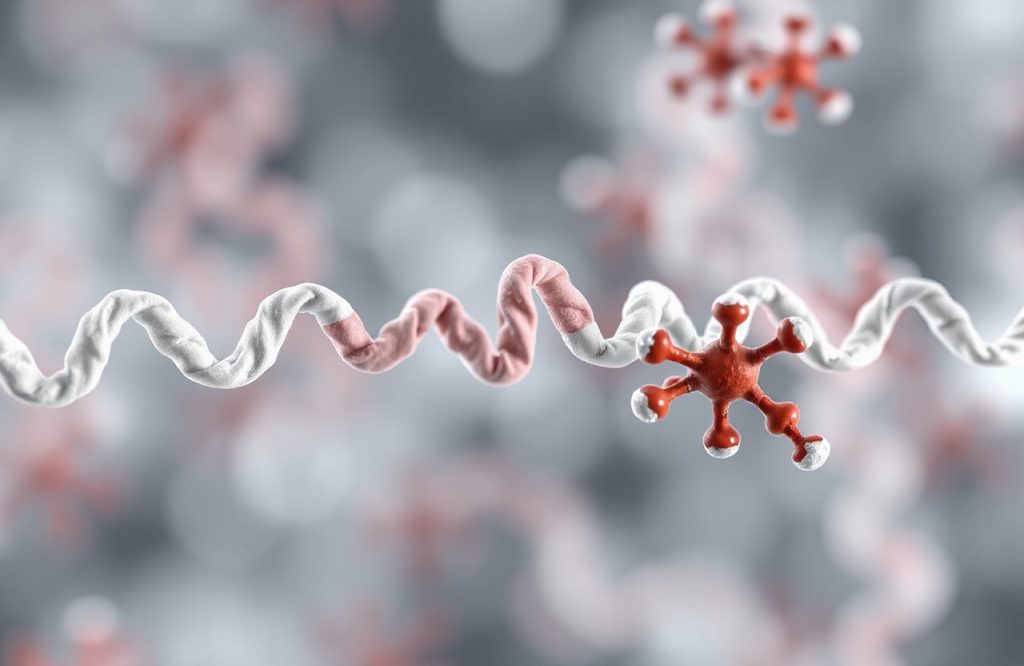
To address this challenge, the research team utilized genetic engineering to create a modified version of apelin that is more resistant to degradation by the enzyme.
Testing the Modified Apelin
The researchers aimed to determine if the modified apelin could prevent the onset of abdominal aortic aneurysms. Given that the protein has not yet been tested in humans, the team conducted experiments on mice. They employed a strain of mice known to develop AAAs when injected with angiotensin II, a protein that elevates blood pressure.
In their findings, half of the mice injected with angiotensin II succumbed to aneurysms within a month. In contrast, those treated with modified apelin exhibited no fatalities, and their aortas did not develop aneurysms.
Future Steps and Clinical Trials
The initial success of testing the modified apelin in mice marks just the beginning. The researchers plan to make further modifications to ensure the safety of the protein for human trials. This phase, along with subsequent clinical trials, will require substantial funding. To facilitate this, the research team has established a spin-off company aimed at securing financial resources for ongoing research. They anticipate being prepared for human trials within two years.
References
O’Byrne, R. U of A researchers developing new treatment that could help protect people with cardiovascular disease. June 10, 2019. Accessed 2019-06-14 at: https://www.folio.ca/u-of-a-researchers-developing-new-treatment-that-could-help-protect-people-with-cardiovascular-disease/
Wang, W., Shen, M., Fischer, C., Basu, R., Hazra, S., Couvineau, P., Paul, M., Wang, F., Toth, S., Mix, D. S., Poglitsch, M., Gerard, N. P., Bouvier, M., Vederas, J. C., Penninger, J. M., Kassiri, Z. & Oudit, G. Y. Apelin protects against abdominal aortic aneurysm and the therapeutic role of neutral endopeptidase resistant apelin analogs. Proceedings of the National Academy of Sciences, 201900152 (2019).