Development of a Promising Malaria Vaccine Using mRNA Technology
Understanding Malaria
Malaria is a severe infectious disease transmitted by mosquitoes, posing a significant global health risk. In 2018 alone, there were 228 million clinical cases and 405,000 fatalities attributed to malaria. The most vulnerable populations include pregnant women, children, and travelers who have not been previously exposed to malaria. Common symptoms of malaria encompass fever, headaches, fatigue, and vomiting. Timely diagnosis and treatment are crucial to avert severe complications, such as seizures, coma, or death.
Current Vaccine Landscape
The quest for a safe and effective malaria vaccine has been ongoing for years. The most advanced vaccine candidate to date is RTS,S, which provides limited protection with an efficacy of only 30-40%.
Innovative mRNA Vaccine Development
Recent advancements in messenger ribonucleic acid (mRNA) technology are paving the way for new vaccine development. Researchers are exploring mRNA’s potential to create vaccines with stable and targeted antigen expression.
Research Methodology
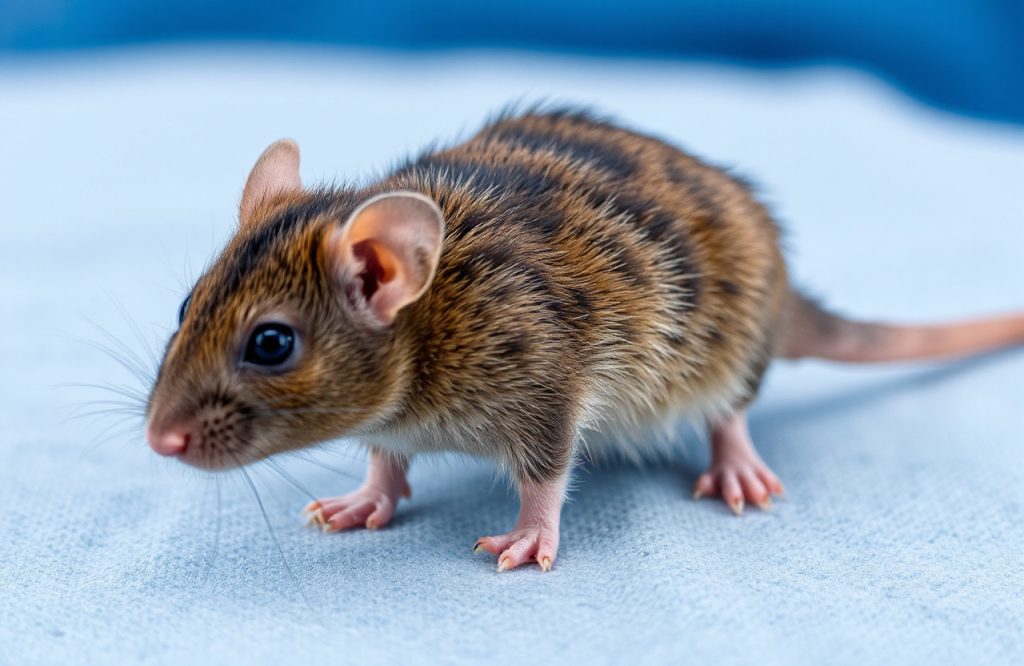
A study published in *npj Vaccines* details the creation of a novel mRNA vaccine aimed at malaria protection in mouse models. Researchers engineered two distinct mRNA molecules and assessed the resulting protein expression in cells that received this mRNA. The mRNA was encapsulated within a lipid nanoparticle (LNP) to enhance immune system stimulation, particularly targeting T follicular helper cells, while also safeguarding the mRNA from degradation.
The findings indicated that the expressed proteins were effectively produced in mammalian cells. Furthermore, the mRNA-LNP combination demonstrated high immunogenicity and provided complete protection in the tested mice.
Benefits and Challenges of mRNA Vaccines for Malaria
mRNA vaccines present several advantages over traditional vaccine methods. Dr. Evelina Angov, senior author of the study, noted, “Recent successes with vaccines against COVID-19 highlight the advantages of mRNA-based platforms – notably highly targeted design, flexible and rapid manufacturing, and the ability to promote strong immune responses in a manner not yet explored. Our goal is to translate those advances to a safe, effective vaccine against malaria.”
However, the large-scale production of a protective malaria vaccine poses significant challenges. The process would involve harvesting parasites from the salivary glands of infected mosquitoes and necessitating storage at extremely low temperatures (-80°C).
Conclusion and Future Directions
Katherine Mallory, lead author of the study, concluded, “Our vaccine achieved high levels of protection against malaria infection in mice. While more work remains before clinical testing, these results are an encouraging sign that an effective, mRNA-based malaria vaccine is achievable.”
References
Mallory K, et al. (2021). Messenger RNA expressing PfCSP induces functional, protective immune responses against malaria in mice. *npj Vaccines*, 6(1), 1-12. Retrieved from: https://www.nature.com/articles/s41541-021-00345-0
mRNA vaccine yields full protection against malaria in mice (2021). EurekAlert! Retrieved from: https://www.eurekalert.org/pub_releases/2021-06/wrai-mvy061721.php
Image by Arek Socha from Pixabay