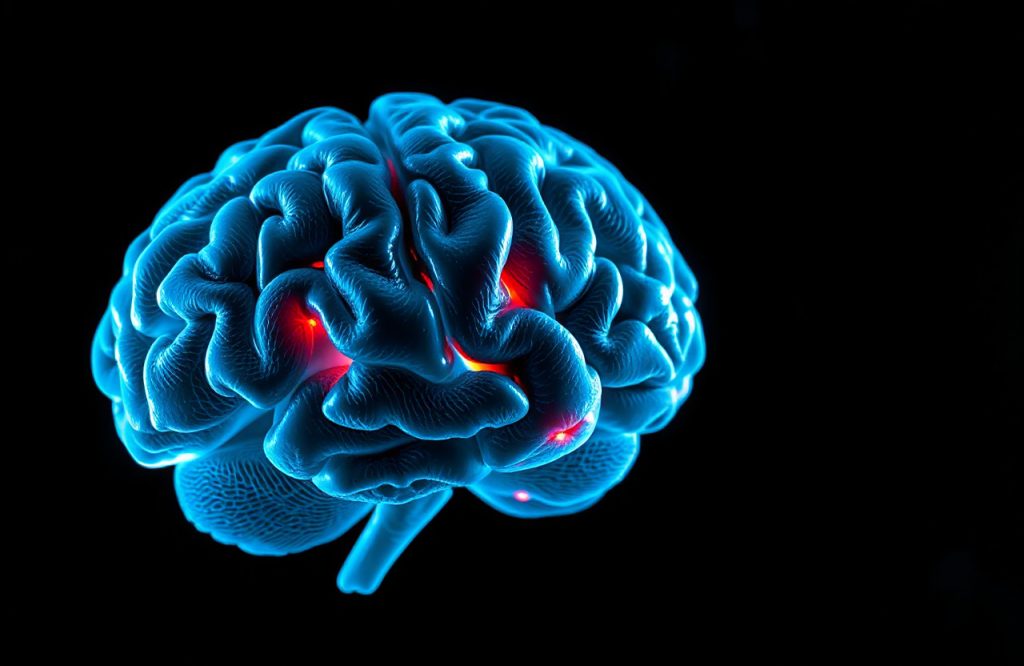
Investigating Memory Restoration in Alzheimer’s Disease
Understanding Memory Loss in Alzheimer’s
Memory loss is a significant hallmark of Alzheimer’s disease, particularly evident in the later stages. Researchers in Buffalo, New York are exploring the possibility of restoring memories in affected individuals. The development of Alzheimer’s is influenced by a combination of genetic and environmental risk factors. As individuals age, epigenetic changes occur that modify gene expression, impacting the type of cells that develop—be it blood, skin, or brain cells. Factors such as aging, diet, and living conditions can cause chemical modifications that switch genes on and off.
The Reversibility of Epigenetic Changes
In conditions like cancer and Alzheimer’s, certain genes may be improperly regulated, leading to health deterioration. However, the reversibility of epigenetic changes suggests that it might be possible to slow aging, treat cancer, and restore memory in Alzheimer’s patients. Despite this potential, there remains a limited understanding of how epigenetic changes influence genetic modifications.
Impact of Epigenetics on Alzheimer’s
Epigenetic alterations in Alzheimer’s patients typically manifest in the later stages of the disease, characterized by difficulties in retaining recently acquired information and notable cognitive decline. Research indicates that the loss of glutamate receptors plays a crucial role in cognitive deterioration. These receptors are essential for short-term memory and learning.
Study Links Epigenetic Factors to Memory Loss
Research Overview
A recent study conducted by U.S. researchers focused on mouse models with inherited gene mutations linked to Alzheimer’s, as well as post-mortem brain tissue from patients. The objective was to determine whether targeting gene changes influenced by epigenetics could reverse memory loss in these animal models. The study findings were published in the journal Brain.
Findings on Glutamate Receptors
The researchers noted a decline in glutamate receptors within the frontal cortex of both the animal models and the brain tissue from Alzheimer’s patients. This decline disrupts information retention and impairs working memory. The decrease in glutamate receptors was attributed to repressive histone modification, an epigenetic process that increases in Alzheimer’s patients, affecting how genetic material interacts with cellular machinery that regulates gene activity.
Correlation Between Epigenetic Factors and Alzheimer’s
The study established a correlation between epigenetic factors and Alzheimer’s disease progression. An irregular increase in histone modification was linked to repressed gene expression, resulting in fewer glutamate receptors and subsequent synaptic dysfunction and memory deficits.
Potential Drug Targets and Treatment Advances
Identifying New Drug Targets
These findings suggest new drug targets, as histone modification can be controlled by specific enzymes. Inhibiting these enzymes and restoring or increasing glutamate receptors could potentially alleviate cognitive decline associated with Alzheimer’s.
Experimental Treatment in Mouse Models
Following these insights, researchers administered compounds to mouse models designed to inhibit the enzyme responsible for repressive histone modification three times a week. The results were promising, showing significant improvements in cognitive function, including recognition memory, spatial memory, and working memory. Additionally, recovery of glutamate receptor expression and function was observed in the frontal cortex.
Need for Further Research
Despite the encouraging results, the improvements were short-lived, lasting only a week. This highlights the need for continued research into longer-lasting drugs capable of effectively penetrating the brain.
Conclusions and Future Directions
Implications of Epigenetic Research
The study underscores that epigenetic factors play a role in memory loss associated with Alzheimer’s disease. Furthermore, it indicates that temporary reversal of memory loss is achievable in animal models through epigenetic approaches. This method is advantageous because it can target multiple genes rather than a single one. By normalizing the function of abnormally operating genes through the inhibition of specific epigenetic enzymes, there is potential to restore cells to their normal state, thereby enhancing brain function and behavior.
References
Zheng Y, Liu A, Wang ZJ, Cao Q, Wang W, Lin L, Ma K, Zhang F, Wei J, Matas E, Cheng J, Chen GJ, Wang X, Yan Z. Inhibition of EHMT1/2 rescues synaptic and cognitive functions for Alzheimer’s disease. Brain. 2019 Mar 1;142(3):787-807. doi: 10.1093/brain/awy354.
Alzheimer’s disease: It may be possible to restore memory function, preclinical study finds. University at Buffalo website http://www.buffalo.edu/news/releases/2019/01/013.html. Accessed February 16th, 2019.