Breakthrough in Spinal Cord Injury Research
Advancements by Harvard Medical School Researchers
Researchers at Harvard Medical School have achieved a significant breakthrough that may one day enable individuals with spinal cord injuries to walk again. The spinal cord, a crucial communication pathway between the brain and the body, is particularly vulnerable to injuries, which can lead to severe impairments. Unlike other body parts, the spinal cord lacks the capacity for self-repair following damage.
Understanding Spinal Cord Injuries
Spinal cord injuries often arise from unpredictable accidents, trauma, or compression due to tumors or infections. According to Spinal Cord Injury Ontario, Canada sees around 4,300 new spinal cord injury cases annually, with approximately 86,000 Canadians currently living with the condition.
Classification of Spinal Cord Injuries
Spinal cord injuries are categorized as either complete or incomplete. A complete injury results in total loss of sensation and motor function below the injury site. In contrast, an incomplete injury allows some nerve signals to pass through, potentially preserving limited feeling or movement. However, nearly half of those with incomplete injuries still experience significant muscle control and sensory loss due to dormant connections.
KCC2 Expression and Functional Recovery
Key Findings from Recent Research
A study spearheaded by Professor He from Harvard Medical School and Professor Gu from Nantong University has identified a new molecule that enhances the levels of neuronal co-transporters known as KCC2. This molecule acts specifically in spinal cord inhibitory interneurons near the injury site, aiding in the restoration of responses to brain signals.
Impact of the Compound CLP290
The newly discovered compound, CLP290, successfully alters neuronal excitability and is capable of crossing the blood-brain barrier. The researchers published their findings in the prestigious journal Cell, highlighting the potential of CLP290 in spinal cord injury recovery.
Reawakening Signaling in Paralyzed Mice
Testing the Effectiveness of CLP290
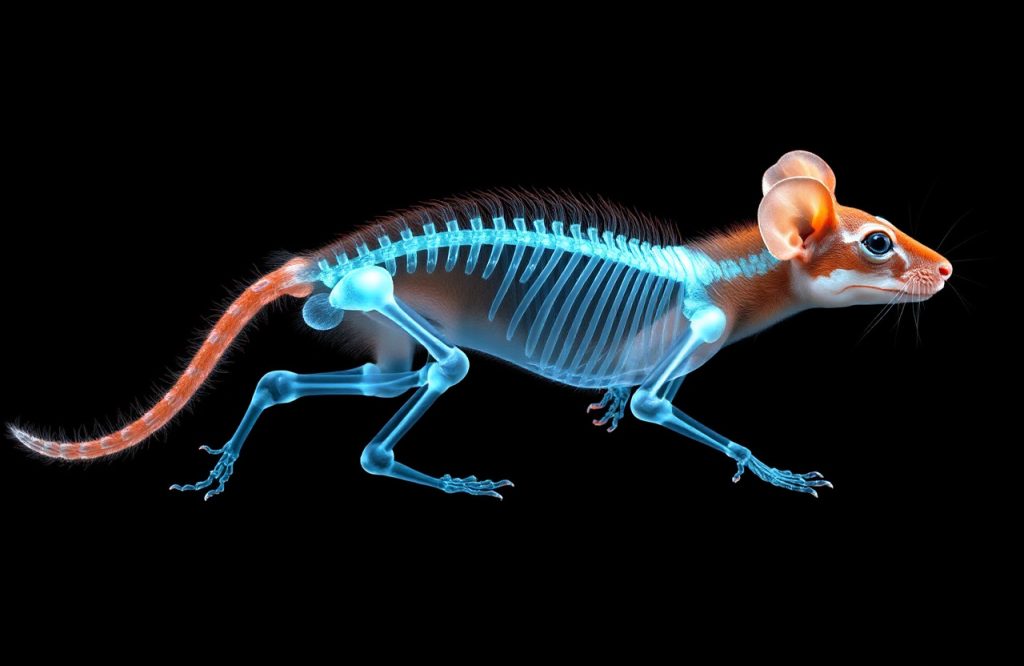
To evaluate the efficacy of this treatment, the researchers conducted tests on paralyzed mice with staggered lesions. Promising results emerged, showing functional recovery within four weeks of treatment, and even more significant improvements from seven weeks onward.
Observations of Motor Function Improvement
Remarkably, most of the treated mice regained the ability to take weight-bearing steps and exhibited increased joint mobility following CLP290 administration.
Future Directions in Spinal Cord Injury Treatment
This study represents a promising foundation for clinical research aimed at enhancing spinal cord responsiveness and facilitating functional recovery post-injury. Further exploration is necessary to fully understand how KCC2 agonists function, paving the way for safer and more effective therapies for individuals with spinal cord injuries.
Reference
B. Chen et al. (2018). Reactivation of Dormant Relay Pathways in Injured Spinal Cord by KCC2 Manipulations. Cell, 174(3): 521-535.e13. DOI:10.1016/j.cell.2018.06.005.