Manuka honey may offer a natural alternative for treating breast cancer, according to new research. With approximately 80% of all breast cancer diagnoses being ER-positive, many patients seek both traditional and alternative treatments. Researchers from the University of California, Los Angeles (UCLA) suggest that Manuka honey could be a potential alternative for prevention and treatment of breast cancer, especially ER-positive breast cancer. The recent study was published in the Nutrients journal.
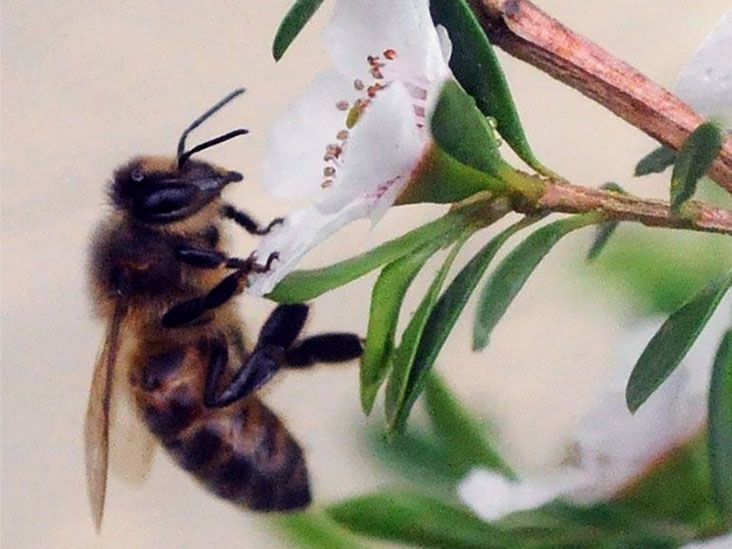
Manuka honey, produced by bees that gather nectar from the native Australian and New Zealand Manuka tree, was used in this research. Scientists employed both mouse and breast cancer cell models to analyze how Manuka honey might affect breast cancer.
Richard Pietras, MD, PhD, professor of medicine in the Division of Hematology-Oncology at the David Geffen School of Medicine at UCLA, explains that Manuka honey’s unique nutrients and bioactive compounds contribute to its potential health benefits. Previous traditional, anecdotal, and preclinical reports have highlighted Manuka honey’s antioxidant and wound-healing properties, which sparked the team’s interest in studying its antitumor potential.
The study revealed that Manuka honey led to an 84% reduction in tumor growth in mice with ER-positive breast cancer cells, without harming healthy breast cells or causing significant side effects. Despite the promising results, Pietras emphasized the necessity for further research into natural compounds like Manuka honey and their potential for anti-tumor efficacy and chemoprevention.
The study also showed a correlation between higher amounts of Manuka honey and greater reduction in cancer cell growth. Determining the maximum tolerated dose is crucial in drug development to ensure safe levels of dosing, Pietras noted.
Pietras and his team investigated the potential antitumor effects of Manuka honey on estrogen receptor positive and negative breast cancer, and explored possible signaling pathways involved in Manuka honey’s mechanism of action. They found that Manuka honey can potentially target critical intracellular signaling pathways and regulate numerous downstream functions to support cancer progression.
Bhavana Pathak, MD, a hematologist and medical oncologist at MemorialCare Cancer Institute, found the study promising. She highlighted the need for further human testing, and emphasized the importance of considering the overall impact of treatments, including patient biology and preference.
Monique Richard, MS, RDN, LDN, FAND, RYT-200, also discussed the potential of Manuka honey in conventional breast cancer treatment without harsh toxic side effects. She suggested that readers incorporate more Manuka honey into their diet for its various health benefits, but advised moderation due to its high sugar content. Some ways to incorporate Manuka honey into a diet include adding it to tea, oatmeal, nut butters, yogurt, fruit, toast, popcorn, smoothies, roasted vegetables, granola, or even using it in salad dressings, marinades, or glazes.
In conclusion, while the study’s findings are preliminary and further research is needed, the potential therapeutic properties of Manuka honey in treating breast cancer provide an exciting avenue for exploration.