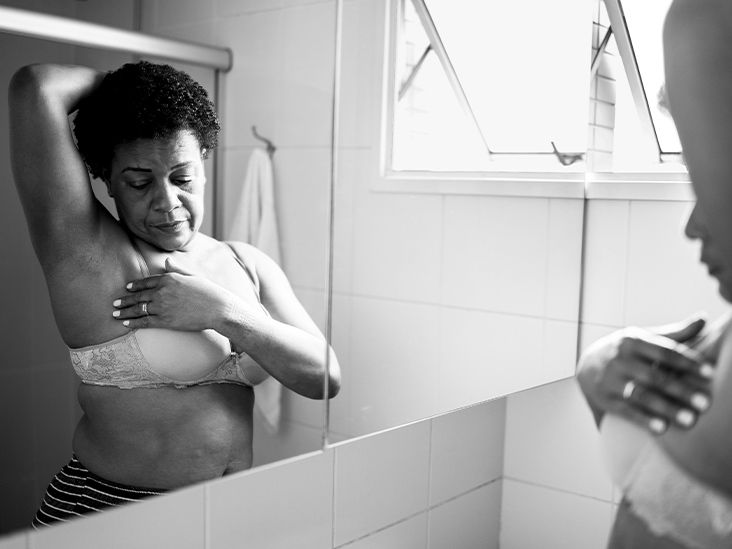
A breast lump or mass is the most prevalent symptom of breast cancer. While these lumps usually display characteristics such as hardness, irregular shape, and lack of sensitivity to pain, some breast cancer tumors may be soft, round, and sensitive to touch. Other alterations in the breast, such as changes in size and texture or skin discoloration, could also serve as indicators of breast cancer. Although these symptoms could be attributed to noncancerous health conditions, any observed changes warrant immediate medical consultation to eliminate the possibility of cancer.
Breast cancer presents in numerous forms, each originating from different parts of the breast and affecting various tissue types. Since many of these carcinomas are asymptomatic, regular screenings are essential for early detection and treatment.
Lobular carcinoma in situ, while not considered cancerous due to its non-invasive nature, can increase the risk of developing invasive cancer. Often symptomless, this condition is typically discovered during a breast biopsy for another issue.
Invasive lobular carcinoma, which develops in the milk-producing lobules and invades nearby breast tissue, may not show symptoms in its initial stages. However, some individuals may notice breast tissue thickening, swelling, skin texture changes, or a nipple turning inward.
Ductal carcinoma in situ, while not invasive, can elevate the risk of eventual invasive breast cancer. This condition, usually detected through mammography, may cause a lump in the breast or nipple discharge in rare cases.
Invasive ductal carcinoma, the most common breast cancer type accounting for about 80% of cases, starts in the breast’s milk duct lining and invades surrounding tissue. Over time, it can spread to lymph nodes and other tissues. Initial symptoms may include a new lump or mass in the breast, breast or nipple pain, skin dimpling, changes in nipple or skin appearance, or a lump in the underarm area.
Even males, with their minimal breast tissue, can develop breast cancer, albeit rarely. The American Cancer Society predicts that around 2,790 male breast cancer cases will be diagnosed in 2024 in the United States, with approximately 530 fatalities.
Breast changes could also be caused by benign conditions, such as cysts, mastitis, hyperplasia, sclerosing adenosis, intraductal papillomas, fibroadenoma, radial scar, fat necrosis, and phyllodes tumors. If you experience any breast-related symptoms, seek medical advice immediately.
Breast cancer risk is influenced by various factors, with gender and age being the most significant. Other unchangeable risk factors include genetic mutations, previous breast cancer or certain noncancerous breast diseases, family history of breast or ovarian cancer, and previous radiation therapy to the chest or breast area. Modifiable risk factors include late pregnancy, not breastfeeding, and never having a full-term pregnancy.
While breast cancer prevention isn’t guaranteed, maintaining a moderate weight, regular exercise, limited alcohol consumption, and considering breastfeeding can lower the risk. Early detection and treatment significantly improve the prognosis. Regular breast examinations and prompt reporting of any breast-related symptoms or changes are crucial.
According to the American Cancer Society, the relative five-year survival rate for breast cancer detected before it spreads beyond the breast is 99%. However, this rate drops to 86% if the cancer has spread to the lymph nodes and further drops to 31% if it has spread to other organs. Nonetheless, these estimates are influenced by individual-specific factors, and a doctor can provide a more detailed outlook.
Breast cancer types can present different symptoms, including swelling, pain, nipple discharge, and changes to the breast’s appearance and feel. While early-stage cancer may be symptomless, regular screenings and self-examinations are vital. Any changes in breast appearance, such as swelling, nipple alterations, inflammation, or pain, should prompt a doctor’s visit. Early detection allows for prompt treatment commencement, improving the likelihood of a favorable outcome.