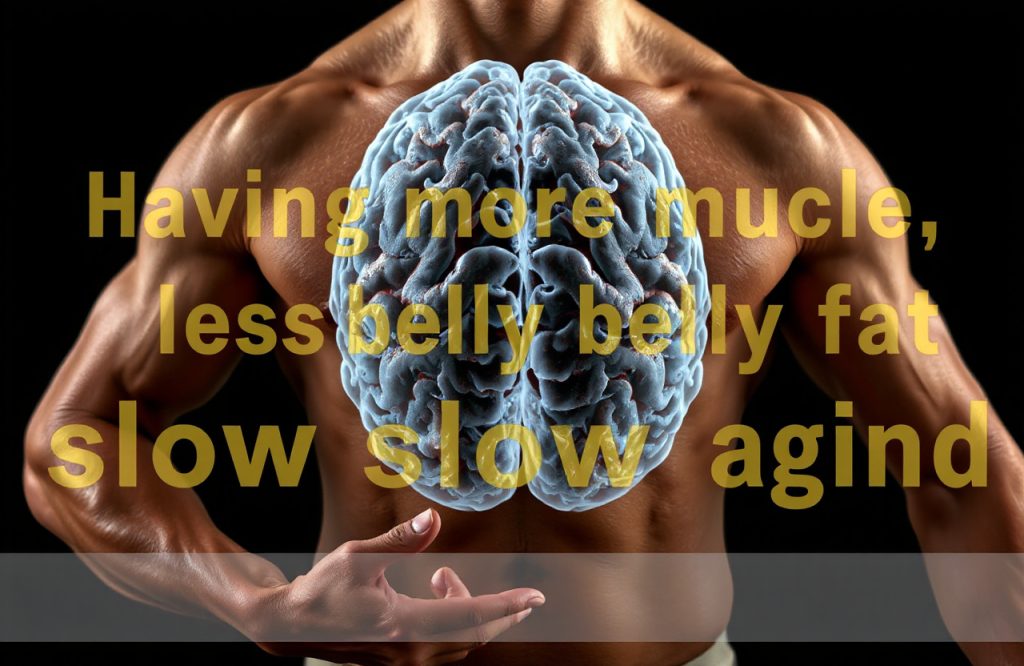
Link Between Muscle Mass, Visceral Fat, and Brain Aging
Understanding Visceral Fat
Recent studies indicate that visceral fat, which accumulates in the abdominal area, poses significant health risks. This type of fat has been associated with a heightened risk of various health issues, including heart disease, stroke, type 2 diabetes, metabolic syndrome, nonalcoholic fatty liver disease, sleep apnea, specific cancers, and Alzheimer’s disease.
New Research Insights
A new study presented at the annual meeting of the Radiological Society of North America (RSNA) offers further insights into the relationship between visceral fat and brain health. The research indicates that individuals with higher muscle mass and a lower visceral fat to muscle ratio may be better equipped to maintain cognitive health and reduce the risk of future brain-related diseases, such as Alzheimer’s disease.
Importance of Muscle Mass
The findings suggest that preserving muscle mass while minimizing visceral fat could play a crucial role in promoting brain health. Although the study’s results have yet to be published in a peer-reviewed journal, they contribute to the growing body of evidence linking body composition to cognitive aging.
Conclusion
This research underscores the importance of maintaining a healthy balance of muscle and fat to potentially mitigate risks associated with brain aging and related diseases.