Impact of Daily Avocado Consumption on Cholesterol Levels
Study Overview
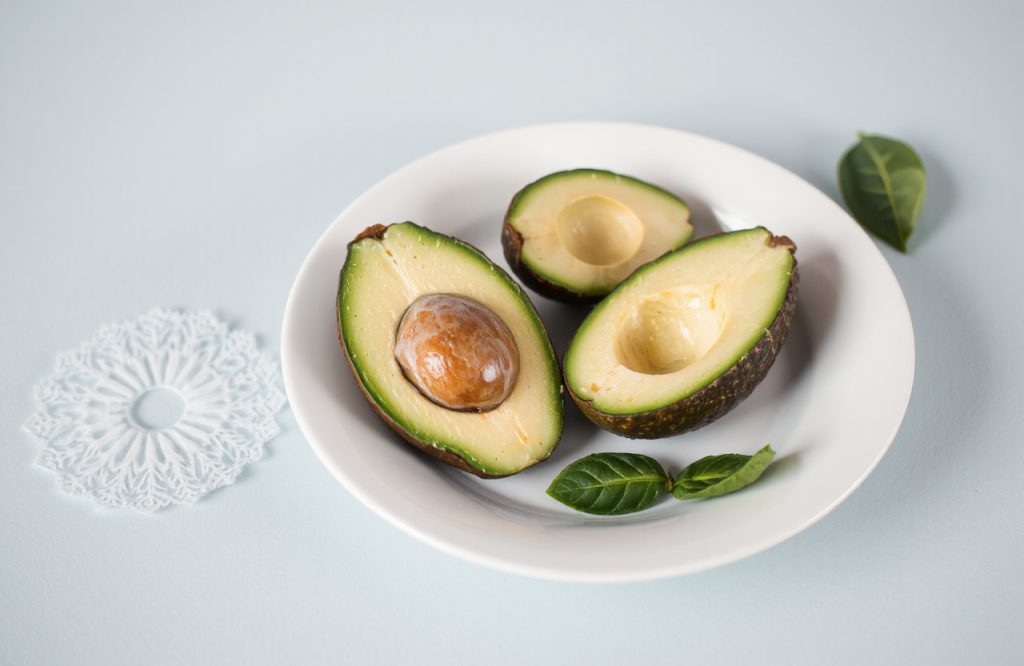
A recent study indicates that incorporating one avocado into the daily diet can help lower bad cholesterol levels among overweight and obese individuals. Elevated cholesterol levels, particularly oxidized LDL and small dense LDL, are associated with a higher risk of atherosclerosis and cardiovascular diseases. Diets high in saturated fatty acids contribute to the production of harmful cholesterol, while those rich in antioxidants and unsaturated fatty acids are recommended to mitigate these effects.
Research Details
Published in The Journal of Nutrition, the study conducted by researchers from Pennsylvania State University aimed to investigate the impact of daily avocado consumption on oxidized LDL levels and overall LDL cholesterol alterations. The study involved 45 participants, all with a BMI ranging from 25 to 35 and LDL cholesterol levels between the 25th and 90th percentiles.
Initially, participants followed a standard American diet consisting of 34% fat, 51% carbohydrates, and 16% protein for two weeks. They were then randomly assigned to one of three dietary plans for five weeks: a Moderate Fat diet, a Lower Fat diet, and an Avocado-based diet. Throughout the study, participants maintained their usual physical activities, and fasting blood samples were collected before and after the five-week period to assess levels of oxidized LDL, small dense LDL, and specific antioxidants such as Tocopherols, Carotene, Lutein, and Retinol.
Findings
The results revealed that participants on the Avocado-based diet experienced a notable reduction in oxidized and small dense LDL levels compared to those following the moderate and low-fat diets. Additionally, there was a significant increase in the antioxidants alpha-carotene and lutein among the avocado group when compared to their baseline blood sample levels.
Conclusion and Future Research
These findings suggest that daily avocado consumption can enhance protective antioxidant levels while simultaneously decreasing harmful oxidized LDL and small dense LDL in the body. This may contribute to a reduced risk of atherosclerosis and related cardiovascular issues. Nonetheless, further research is essential to validate these findings and explore any potential long-term effects of consuming a whole avocado daily.
References
Wang, L., et al. (2019). The Journal of Nutrition. A Moderate-Fat Diet with One Avocado per Day Increases Plasma Antioxidants and Decreases the Oxidation of Small, Dense LDL in Adults with Overweight and Obesity: A Randomized Controlled Trial.
Bohn, K. (2019). Eurekalert!. One avocado a day helps lower ‘bad’ cholesterol for heart healthy benefits.