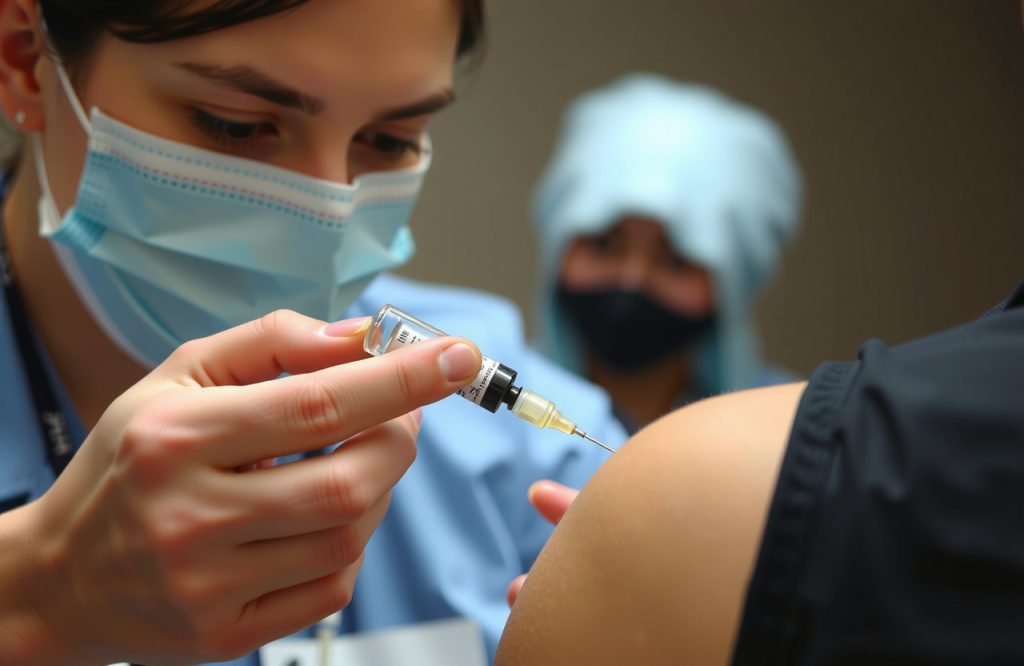
Introduction to National Vaccination Day in India
National Vaccination Day, observed on 16 March each year, highlights the central role of vaccines in preventing life‑threatening infectious diseases across India. Originally tied to the launch of the national Pulse Polio Immunization Programme, this observance has evolved into an opportunity to reinforce awareness about childhood and adult immunization, the national vaccination schedule, and community protection through timely vaccines. As a broadly informative piece rather than breaking news, this article adopts an educational, expert-driven tone to explain why vaccination remains a cornerstone of public health in India.
What Is National Vaccination Day and Its Purpose?
Objectives and public health focus
National Vaccination Day (NVD) is dedicated to sensitizing people about immunization against vaccine‑preventable diseases. Its purpose is to remind families, communities, and healthcare providers that vaccination protects individuals of all ages—infants, children, adults and the elderly—and to encourage adherence to the recommended National Immunization Schedule. NVD also serves to mark past successes in disease control and to sustain momentum for ongoing immunization efforts.
History and the Pulse Polio Campaign
Origins of the observance
NVD traces its origin to 16 March 1995, when India launched the nationwide Pulse Polio Immunization Programme. That program organized mass oral polio vaccine campaigns aimed at every child under five and mobilized health workers for fixed‑site and door‑to‑door vaccination drives.
Impact and milestones
Sustained vaccination campaigns, public engagement, and coordinated government action dramatically reduced polio cases. India’s achievement of being declared polio‑free in 2014 by the World Health Organization stands as a clear demonstration of how large‑scale immunization can eliminate a disease and protect future generations.
How Vaccines Work and Why They Matter
Mechanism of protection
Vaccines contain weakened, inactivated, or non‑toxic components of pathogens that safely train the immune system to recognize and respond to a disease. After vaccination the body produces antibodies and immune memory, enabling it to mount a rapid defence on future exposure without suffering the severe illness associated with natural infection.
Public health benefits
Beyond protecting individuals, vaccines reduce transmission at the population level. High vaccination coverage lowers the chance of outbreaks, decreases hospitalizations and medical costs, and contributes to longer, healthier lives across communities.
Herd Immunity: Community Protection
Definition and importance
Herd immunity occurs when a large portion of a population becomes immune to an infectious disease, either through vaccination or previous infection, making person‑to‑person spread unlikely. This indirect protection is vital for those who cannot be vaccinated—newborns, the elderly, pregnant women, and immunocompromised individuals—and underpins the collective benefit of sustaining high vaccination rates.
Why Vaccination Is Critical for Children
Timing and developmental vulnerability
Children’s immune systems are still developing, and early life is the period of highest vulnerability to many infectious diseases. The National Immunization Schedule is designed to provide vaccines at ages when they offer maximum protection. Routine childhood vaccines guard against polio, measles, tuberculosis (BCG), hepatitis B, diphtheria, pertussis, tetanus and other serious illnesses.
Broader community advantages
Childhood immunization reduces mortality and morbidity, supports healthy development, and contributes to herd immunity—preventing outbreaks that would disproportionately affect the most vulnerable.
Vaccination for Adults and Special Groups
Adult immunization
Immunity acquired in childhood can wane; adults therefore benefit from boosters and vaccines recommended for their age, occupation, travel plans or health status. Adult vaccination protects individuals from influenza, tetanus, hepatitis B, and other infections, and reduces the risk of transmitting diseases to infants and at‑risk community members.
Pregnant women, the elderly and high‑risk individuals
Specific vaccine recommendations address vulnerable groups: certain vaccines during pregnancy (for example, tetanus and influenza) protect both mother and newborn; pneumococcal, influenza and shingles vaccines reduce severe illness in older adults; and tailored schedules support people with chronic conditions or compromised immunity. Following medical advice ensures safety and appropriate protection for these groups.
National Immunization Programs and Schedules
Universal Immunization Programme (UIP) and related initiatives
The Universal Immunization Programme (UIP) is India’s central initiative to provide free vaccines to millions of children and pregnant women through government facilities and outreach services. Complementary efforts such as Mission Indradhanush, Intensified Mission Indradhanush, routine immunization services, and past campaigns like Pulse Polio have strengthened coverage, reduced disease burden, and extended services to underserved communities. The COVID‑19 vaccination program is an example of a large national campaign focused on adult immunization.
Common Vaccine‑Preventable Diseases
Many severe conditions are preventable through vaccination. Notable examples include polio, measles, tuberculosis, hepatitis B, diphtheria, pertussis (whooping cough), tetanus, rubella and influenza. Preventive immunization has markedly reduced the incidence and impact of these illnesses in India.
Benefits of Vaccination and Risks of Delay
Benefits
Vaccination prevents serious disease, strengthens immune responses, reduces epidemics, lowers hospitalization and healthcare costs, supports healthy childhood development, and contributes to long‑term population health.
Risks of missing or delaying vaccines
Delays or missed doses leave individuals unprotected during critical windows of vulnerability and weaken herd immunity. This increases the risk of outbreaks, severe complications, and the need for catch‑up schedules that can be more complex to implement.
Addressing Myths: Facts About Vaccination
Common misconceptions persist, but evidence‑based facts support vaccine safety and effectiveness. Vaccines undergo rigorous testing and monitoring; they provide protective immunity without exposing people to the risks of natural infection; and side effects are generally mild and rare. Continuing vaccination is essential even when certain diseases become uncommon, because declining coverage can allow re‑emergence.
Role of Government, Healthcare Providers and Communities
Governments design and implement large‑scale programs, ensure vaccine availability, and run awareness campaigns. Healthcare providers—doctors, nurses and community health workers—offer trusted guidance, deliver vaccinations safely, maintain records, monitor safety, and engage communities. Together, these actors build trust, raise coverage, and protect public health.
Practical Steps to Ensure Complete Family Vaccination
Families can protect loved ones by following the National Immunization Schedule, keeping vaccination records, consulting certified healthcare providers at government or accredited clinics, and participating in local immunization campaigns. Regular communication with health professionals helps identify necessary boosters and catch‑up doses for children and adults.
How National Vaccination Day Promotes Awareness
On 16 March, educational initiatives, community outreach, and health campaigns emphasize the role of vaccines in disease prevention, celebrate past successes like polio eradication, and motivate families to stay current with immunization. These activities strengthen public knowledge and encourage wider adoption of preventive healthcare practices.
Conclusion: Building a Healthier India Through Vaccination
National Vaccination Day is a reminder of vaccination’s proven power to protect individuals and communities. Programmes such as the UIP and campaign successes demonstrate that coordinated, evidence‑based immunization can eliminate diseases and save lives. At medichelpline, we emphasise that awareness, access and adherence to recommended vaccination schedules are central to creating a healthier nation—one where timely immunization protects present and future generations.