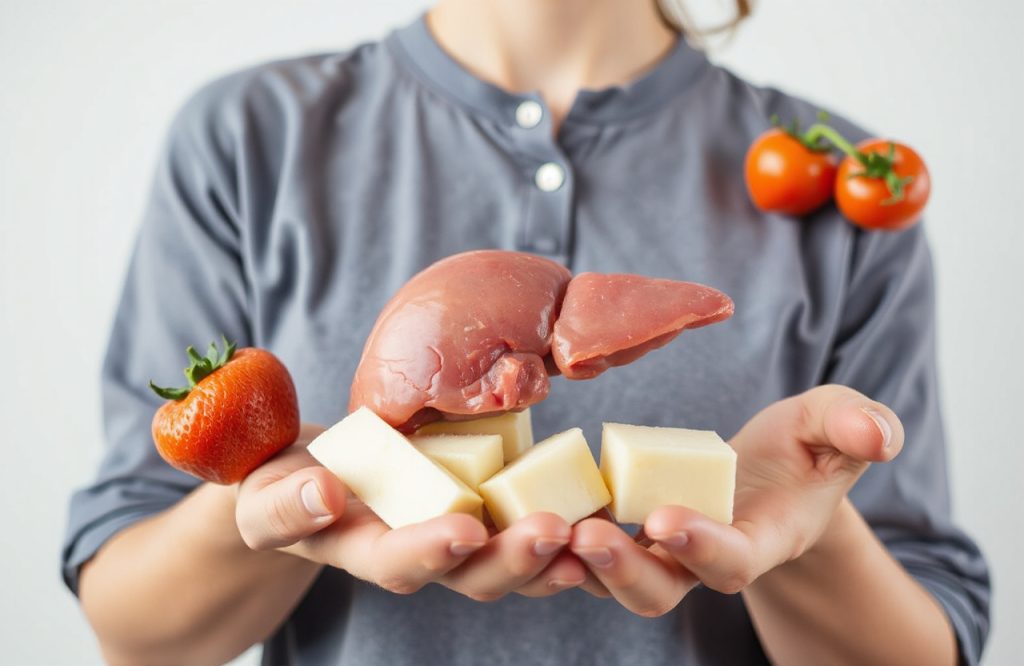
Impact of Dietary Fats on Fatty Liver Disease
Understanding Fatty Liver Disease
Fatty liver disease is characterized by an excess accumulation of fat cells in the liver. While many patients experience no symptoms, the condition can lead to serious health complications, including cardiovascular issues and type 2 diabetes. If left untreated, fatty liver disease may result in liver scarring and impaired function, posing significant health risks. Obesity is a primary risk factor for the development of this condition, yet not all overweight individuals develop fatty liver disease.
Research Study Overview
A team of researchers from Europe initiated a study to explore whether the type of dietary fat influences the accumulation of fat in the liver, which could potentially exacerbate fatty liver disease. The findings of this research were published in the journal Diabetes Care.
Study Design and Methodology
The study involved 38 overweight participants who were divided into three groups. Each group maintained their regular diet while adding an extra 1,000 calories per day from specific types of fat over a three-week period.
– **Group 1** consumed a diet primarily consisting of saturated fats, including coconut oil, butter, and blue cheese.
– **Group 2** focused on unsaturated fats, incorporating olive oil, pesto, pecan nuts, and butter.
– **Group 3** added sugar-rich foods such as juice, sugar-sweetened beverages, and candy.
Before the study commenced and again after three weeks, researchers measured liver fat levels and assessed metabolic processes related to fat production.
Findings and Conclusions
Results indicated that all three dietary patterns resulted in increased liver fat, as anticipated due to the additional caloric intake. However, the group consuming saturated fats exhibited a more significant rise in liver fat compared to the other groups. This diet also triggered metabolic changes associated with heightened cardiovascular disease risk and insulin resistance, a precursor to type 2 diabetes.
The researchers concluded that dietary choices play a crucial role in managing fatty liver disease. They strongly advise individuals diagnosed with fatty liver disease to avoid saturated fats to decrease liver fat accumulation and mitigate the risk of developing type 2 diabetes.
Reference
Luukkonen P, Sädevirta S, Zhou Y, et al. Saturated Fat Is More Metabolically Harmful for the Human Liver Than Unsaturated Fat or Simple Sugars. Diabetes Care. 2018;41(8):dc180071. doi:10.2337/dc18-0071.
Written by Nicola Cribb, VetMB DVSc Dip.ACVS.