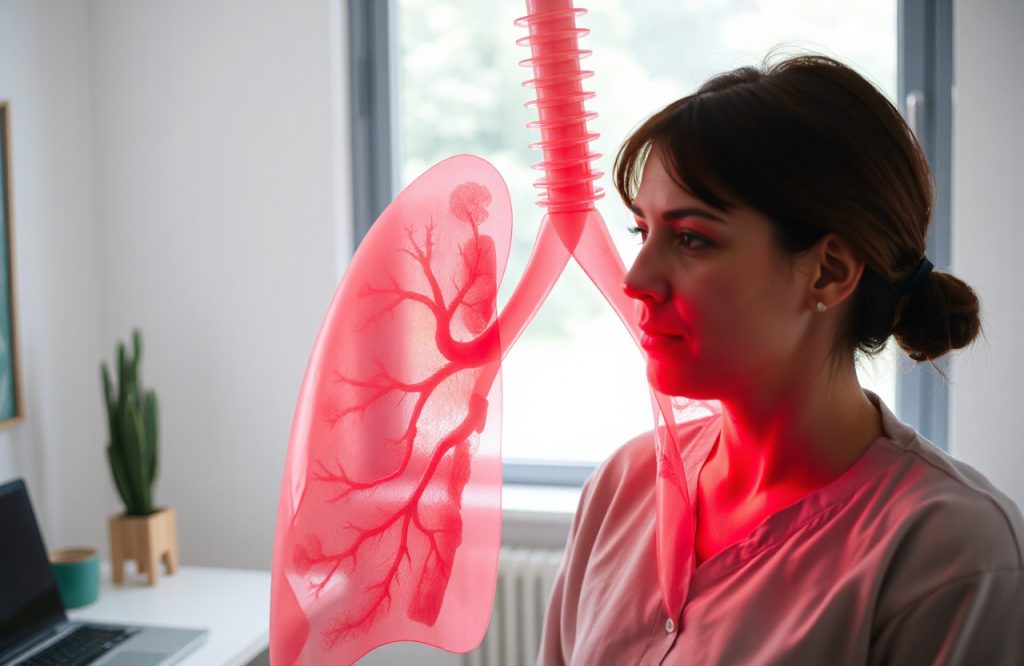
Understanding Chronic Obstructive Pulmonary Disease (COPD)
Overview of COPD
Chronic obstructive pulmonary disease (COPD) includes various lung conditions, primarily chronic bronchitis and emphysema. While symptoms can be managed, strategies for preventing disease progression remain largely unresolved. Most cases of COPD emerge during adulthood, but exposure to environmental factors in earlier years can raise the likelihood of developing this condition.
Complexity of Disease Mechanisms
The underlying mechanisms of COPD are not fully understood, which limits the effectiveness of available treatments. Over the years, the global prevalence of COPD has risen, largely due to environmental factors such as smoking and air pollution from biomass fuel. Moreover, many cases remain undiagnosed in various regions, resulting in an underestimation of the true prevalence. The aging population may also play a role in the increase of COPD cases.
Insights from Recent Research
An article published by The Lancet provides a comprehensive overview of COPD, covering its epidemiology, causes, pathophysiology, and treatment options. The article characterizes COPD as a condition marked by continuous inflammation of the respiratory system, leading to irreversible airflow restriction. It suggests that different environmental factors can trigger distinct disease mechanisms.
Shared Risk Factors
COPD shares several risk factors with other medical conditions, including smoking, inflammation, sedentary lifestyle, and advancing age. These shared risks may contribute to related health issues such as osteoporosis, depression, lung cancer, muscle depletion, and cardiovascular disease. Additionally, the natural aging process of the lungs can exacerbate inflammation, leading to decreased cell proliferation and reduced elastic recoil. Environmental influences like smoking can accelerate lung aging.
Treatment Approaches for COPD
Environmental and Lifestyle Modifications
Improving environmental conditions can partially alleviate COPD symptoms. Recommended changes include quitting smoking, reducing exposure to indoor air pollution, and increasing physical activity. However, the limited understanding of COPD mechanisms restricts the scope of vaccination treatments. While vaccinations for influenza and pneumococcus can provide some benefits, their overall impact remains limited.
Role of Pulmonary Rehabilitation
Pulmonary rehabilitation focuses on encouraging behavioral and lifestyle changes that may lower the risk of developing COPD in later stages of life. However, pharmacotherapy continues to present challenges in effectively treating this condition.
Future Directions in COPD Research
Health Risks and Underdiagnosis
COPD poses significant health risks and is often underdiagnosed, affecting a growing number of individuals. The prevalence of environmental risk factors is contributing to the increasing incidence of COPD. The most significant challenge lies in the insufficient understanding of its biological mechanisms.
Need for Continued Research
While behavioral and environmental modifications can help prevent COPD’s onset, further investigation into its genetic and biochemical characteristics is essential for developing comprehensive treatments for those already affected. Given the lengthy process of drug development, prioritizing research on COPD treatment is crucial.
Conclusion
Addressing the complexities of COPD requires a multifaceted approach that includes environmental improvements, lifestyle changes, and dedicated research efforts. As understanding of this condition evolves, so too will the potential for effective interventions.